




the security.brief
Learn what "do not sell my personal information" really means under CCPA and other state privacy laws, what it does and doesn't stop, and how to opt out everywhere at once.
You’ve clicked it a hundred times without thinking twice: a small link in a website’s footer that reads “Do Not Sell My Personal Information.” Most people either ignore it entirely or click it once and assume the problem is solved. Neither reaction is quite right. The link represents a real, legally enforceable right, but what it actually does, and what it doesn’t, is a lot narrower than most people assume. Here’s what the phrase actually means, which laws stand behind it, why the definition of “sell” is broader than most people expect, and why clicking it site by site isn’t the same as getting your information off the internet.
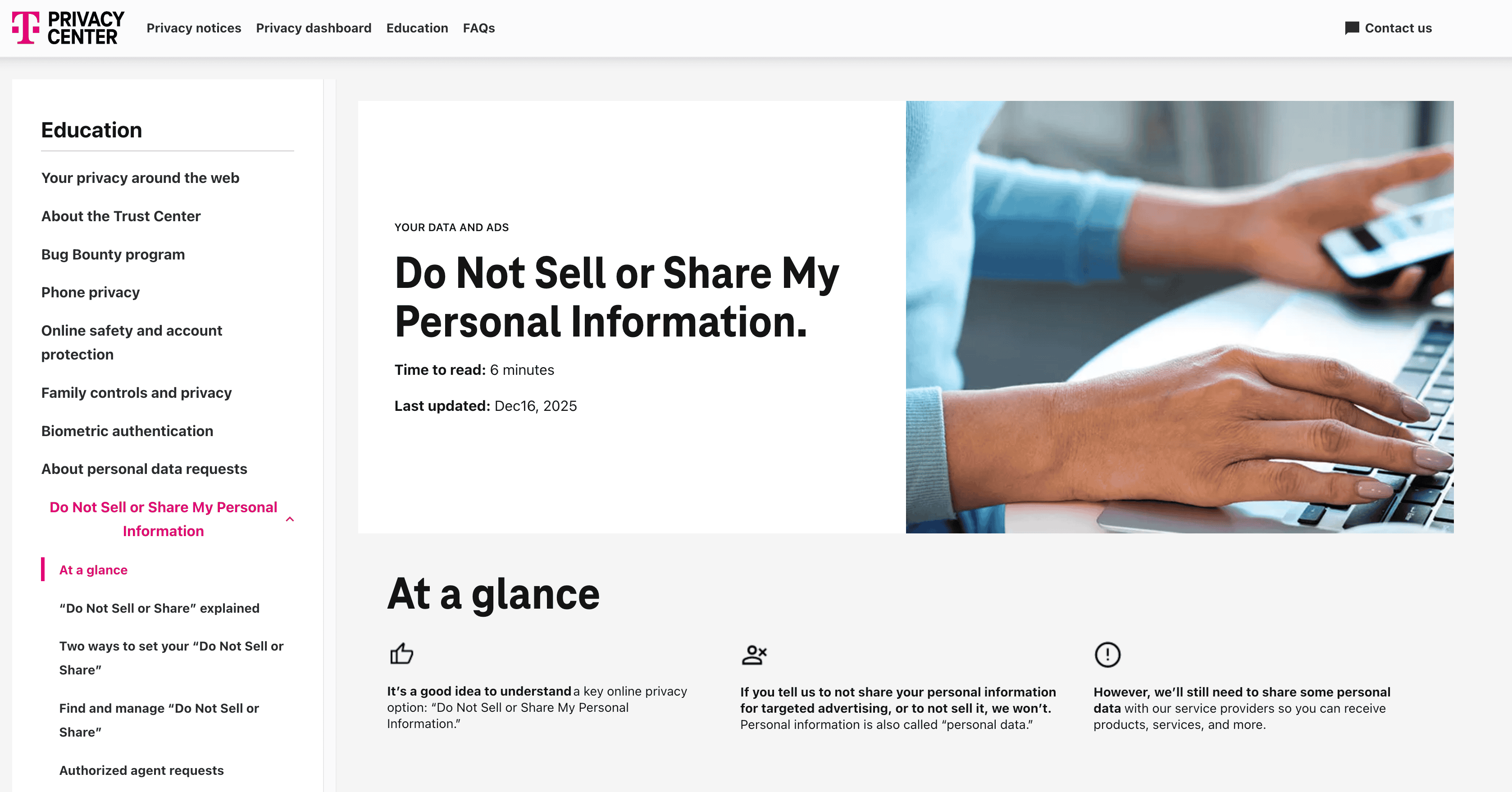
Where “Do Not Sell My Personal Information” Comes From
“Do Not Sell My Personal Information” isn’t marketing language. It’s a legal requirement that originated with California’s Consumer Privacy Act (CCPA), later strengthened by the California Privacy Rights Act (CPRA). Any business that meets certain size or data-volume thresholds and sells personal information has to give California residents a clear, easy way to opt out of that sale, and the footer link is the most common way companies satisfy that requirement.1
The word “sell” is doing more legal work here than it looks like on the surface. Under CCPA and CPRA, selling doesn’t just mean an outright cash transaction. It covers sharing personal information with a third party in exchange for money or any other valuable consideration, which is broad enough to cover a lot of the ways data brokers and advertising networks actually trade in your information behind the scenes.
>> Keep Reading: The Best Data Removal Services
Other States with Similar Privacy Laws
California was first, but it’s no longer alone. More than 20 U.S. states now have comprehensive privacy laws on the books, including Virginia’s VCDPA, Colorado’s CPA, Connecticut’s CTDPA, and Utah’s UCPA, and most of them include some version of the same opt-out right, covering not just outright sales but often targeted advertising and profiling as well.2
Do Not Sell Laws by the Numbers
- 20+ U.S. states currently have comprehensive privacy laws with an opt-out right
- CCPA and CPRA (California) were the first, taking effect in 2020 and 2023 respectively
- Virginia, Colorado, Connecticut, and Utah followed with their own versions
- More states are actively introducing similar legislation each year
FYI: If your state has passed its own privacy law, you likely have a similar right to opt out, even if the company you’re dealing with is headquartered somewhere else entirely.
What a “Do Not Sell” Request Actually Does
When you submit a “Do Not Sell” request, the company is legally required to stop selling or sharing your personal information with third parties going forward. Depending on the state, that request has to be honored within a set window, often 15 business days under CCPA, and the company generally can’t require you to create an account or jump through unnecessary hoops just to submit it.
There’s also a more efficient version of this: the Global Privacy Control (GPC), a browser or extension-based signal that broadcasts your opt-out preference automatically to every site you visit. In California and a growing number of other states, businesses are required to treat a GPC signal the same as if you’d clicked their individual opt-out link, which means you can set your preference once in your browser instead of hunting down a footer link on every website you visit.
>> Learn More: How to Remove Your Personal Information From the Internet
What a “Do Not Sell” Request Doesn’t Cover
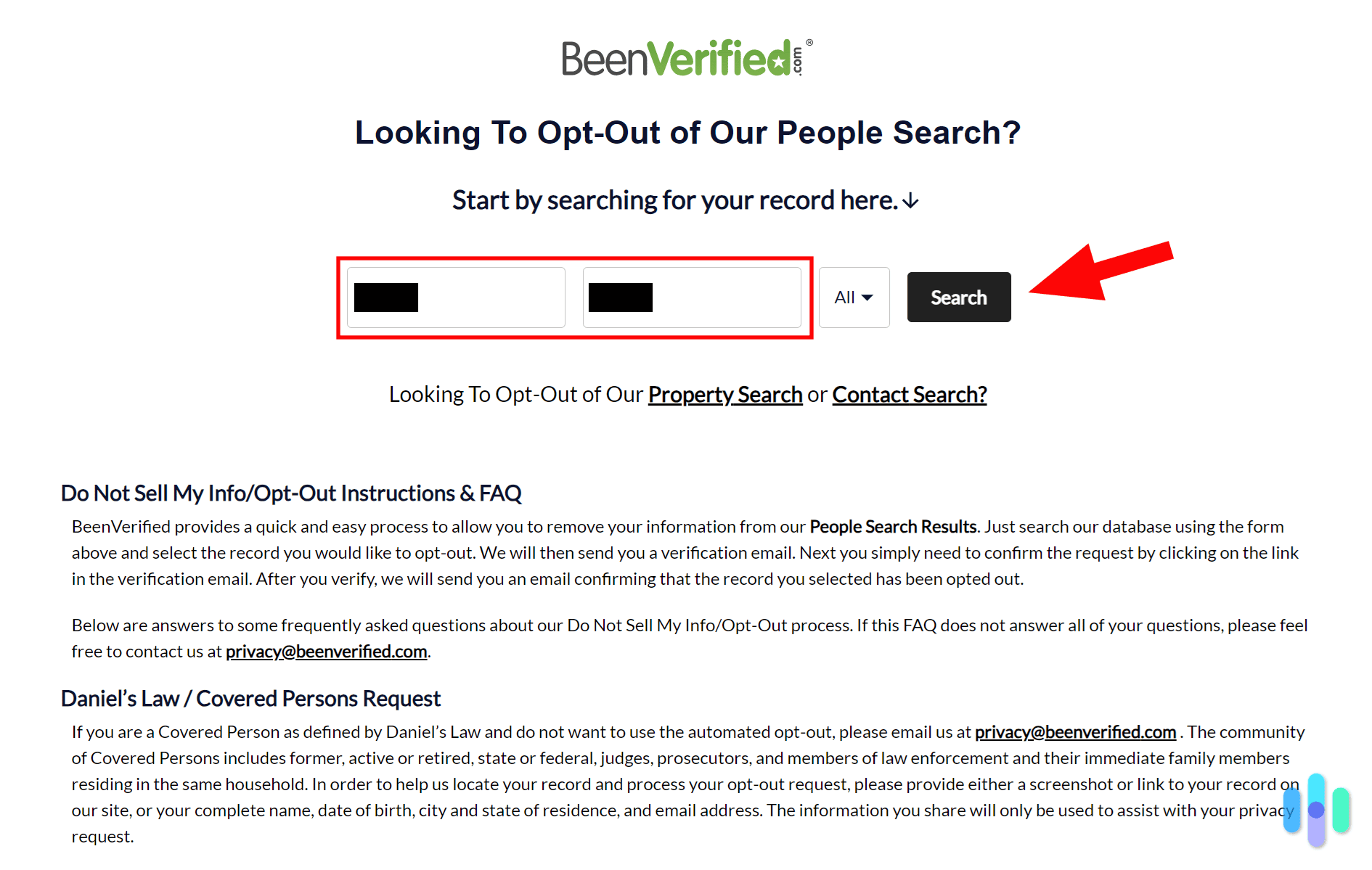
Here’s where the math stops working in your favor. There are hundreds of data brokers and people-search sites operating in the U.S. alone, and most of them aren’t companies you’ve ever knowingly interacted with. They’ve pieced your profile together from public records, other brokers, and data purchased upstream. A “Do Not Sell” link only helps with the businesses you can actually find and identify. For everyone else, you’re stuck manually searching for each broker, submitting a separate opt-out request, and repeating the process every few months when your information inevitably gets re-listed.
That’s a realistic multi-week project if you do it thoroughly, and it’s the reason most people who start doing this manually give up after the first dozen sites. Each broker has its own submission form, its own verification steps, and its own timeline for actually processing the request, so what looks like a quick afternoon task turns into an ongoing chore with no real end point.
Incogni submits removal requests to 420+ data brokers automatically, on an ongoing basis, instead of leaving you to track down each one yourself.

The Bottom Line
“Do Not Sell My Personal Information” is a real right, backed by real enforcement. California’s privacy regulator has issued multi-million-dollar fines against companies, including Disney, Ford, and PlayOn Sports, specifically for failing to properly honor these opt-out requests. But the right only covers the company you send it to, and only going forward. If your goal is actually getting your information off the internet rather than technically exercising a legal right, opting out site by site is the slow, incomplete version of the job. Combining it with a broader data removal approach, or a service that automates broker-by-broker opt-outs the way manual “Do Not Sell” requests can’t, is what actually reduces your exposure over time.
FAQs
-
Does "Do Not Sell My Personal Information" delete my existing data?
No. It stops a company from selling or sharing your data going forward. It doesn’t require them to delete data they already have or already shared before your request, unless you separately exercise a deletion right where your state’s law provides one.
-
Do I have this right if I don't live in California?
Possibly. More than 20 states now have their own privacy laws with similar opt-out rights, including Virginia, Colorado, Connecticut, and Utah. Check whether your state has passed comprehensive privacy legislation to see what specific rights apply to you.
-
What is Global Privacy Control, and does it actually work?
Global Privacy Control (GPC) is a browser signal that automatically communicates your opt-out preference to every site you visit. In California and several other states, businesses are legally required to honor a GPC signal the same way they’d honor an individual opt-out request, so enabling it can save you from clicking footer links on every site.
-
Does opting out stop data brokers from finding my information some other way?
No. Data brokers often gather personal information from public records, other brokers, and sources that have nothing to do with the company you sent a “Do Not Sell” request to. Opting out with one company doesn’t stop brokers from acquiring your data independently.
-
Is it worth submitting "Do Not Sell" requests manually, or should I use a service instead?
Both have a role. Manual requests are free and worth doing for companies you already know about. But since most of your exposure comes from data brokers you’ve never heard of, a data removal service that automates outreach across hundreds of sites covers the gap that manual requests can’t.