




the security.brief
Learn how to run a background check on yourself step by step, and what it typically reveals about your name, records, and online footprint.
Most people only think about background checks when someone else runs one on them, such as a landlord, an employer, or a new date. But running one on yourself first can save you from an unpleasant surprise, and it’s often the easiest way to find out what a stranger could learn about you with nothing more than your name. This guide walks through exactly how to do it, why it’s worth doing, and what actually shows up.
How to Run a Background Check on Yourself
Here’s the process, in order, from the fastest free option to the most thorough.
- Start with a basic search. Search your full name, your name plus your city, and your name plus past employers. Try a few variations, including nicknames and maiden names, since people-search sites often index those separately. This won’t show you everything, but it’s a fast way to see what shows up first, which is often what a casual searcher, like a hiring manager or a date, would actually see.
- Check your public records directly. Most county court systems have online portals where you can search criminal and civil case records tied to your name for free. If you’ve ever had a case sealed or expunged, this is the place to confirm it’s actually gone from the record, not just from a private company’s database. Some states also let you search statewide, not just by county, which is worth doing if you’ve lived in more than one place.
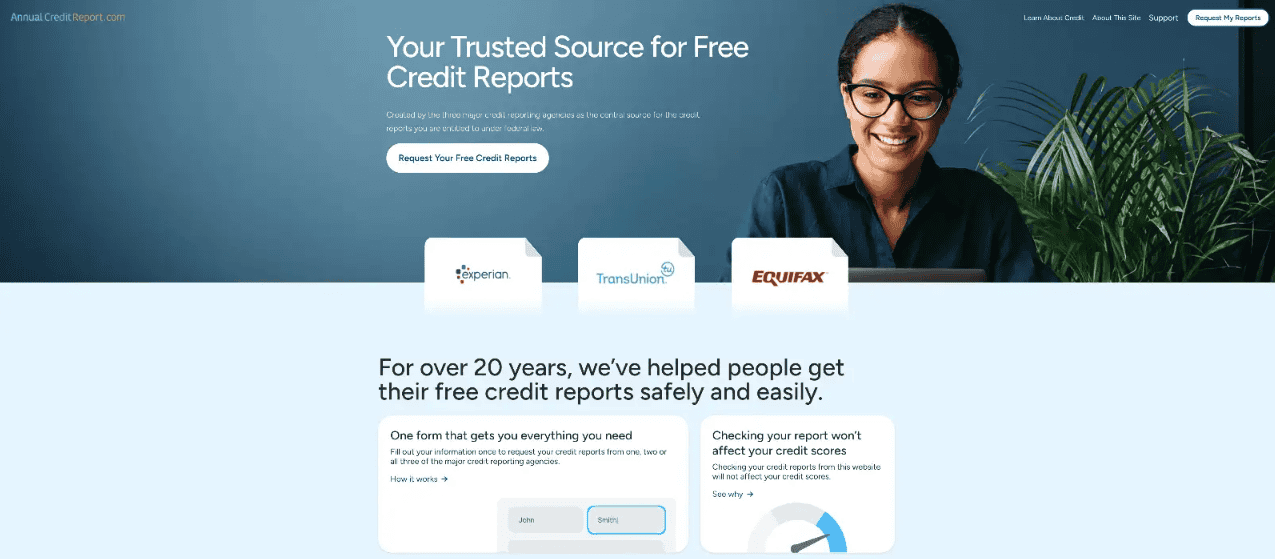
- Pull your credit report. AnnualCreditReport.com is the only federally authorized source for free credit reports from all three major bureaus. This won’t show criminal records, but it will surface addresses, accounts, and inquiries tied to your name, useful for catching identity theft.
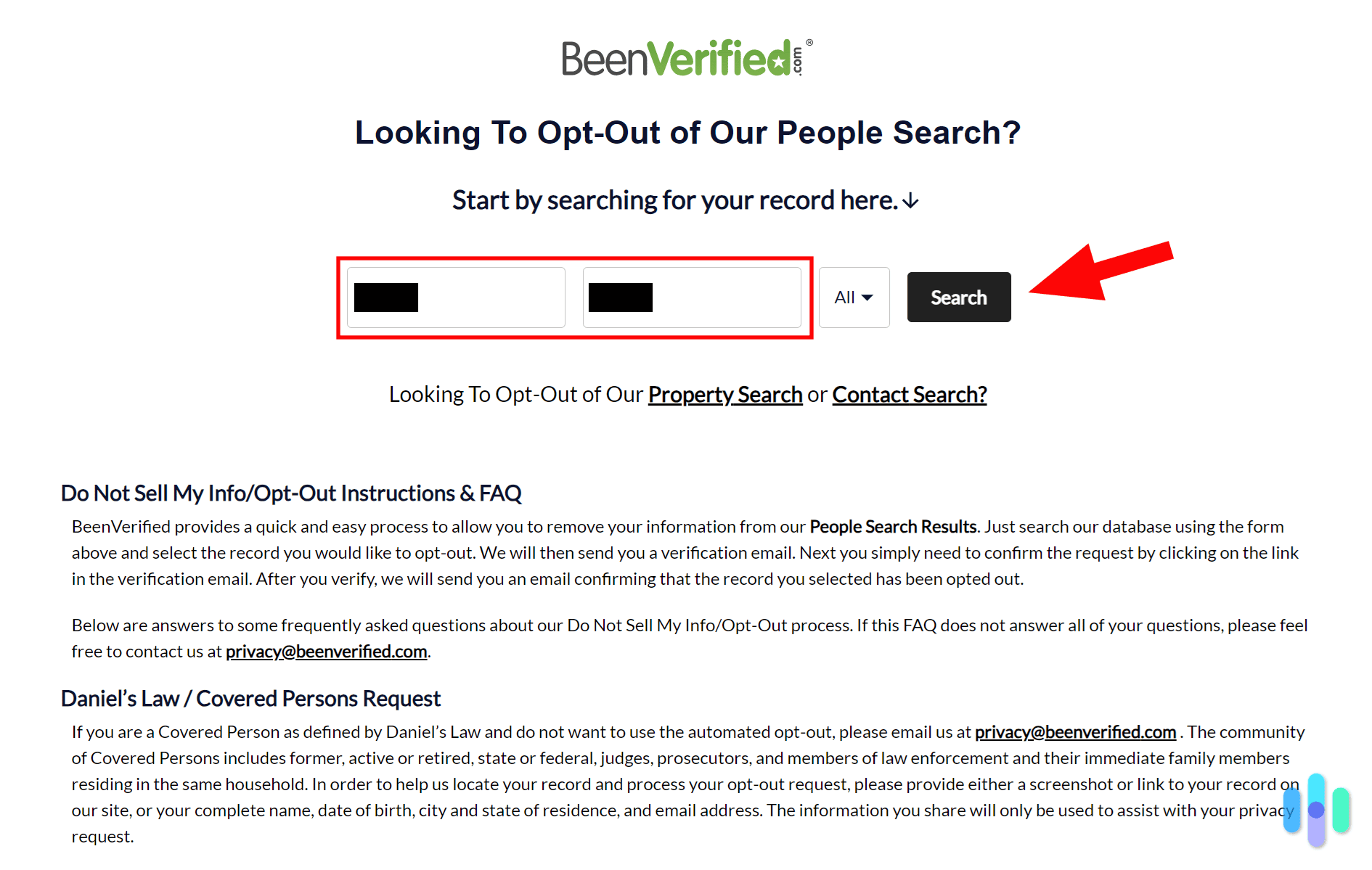
- Try a commercial background check or people-search service, if you want the full picture. Services like the ones behind sites such as TruthFinder or BeenVerified will compile a report similar to what a landlord or a curious acquaintance might see. Be aware you’re often looking at the same underlying data broker sources that show up across multiple sites, so paying for more than one report rarely tells you much more than the first.
- Run a data broker exposure scan. Separate from a formal background check, many data removal services offer a free scan that shows which data broker and people-search sites currently have your information listed, without requiring a background check company’s report.
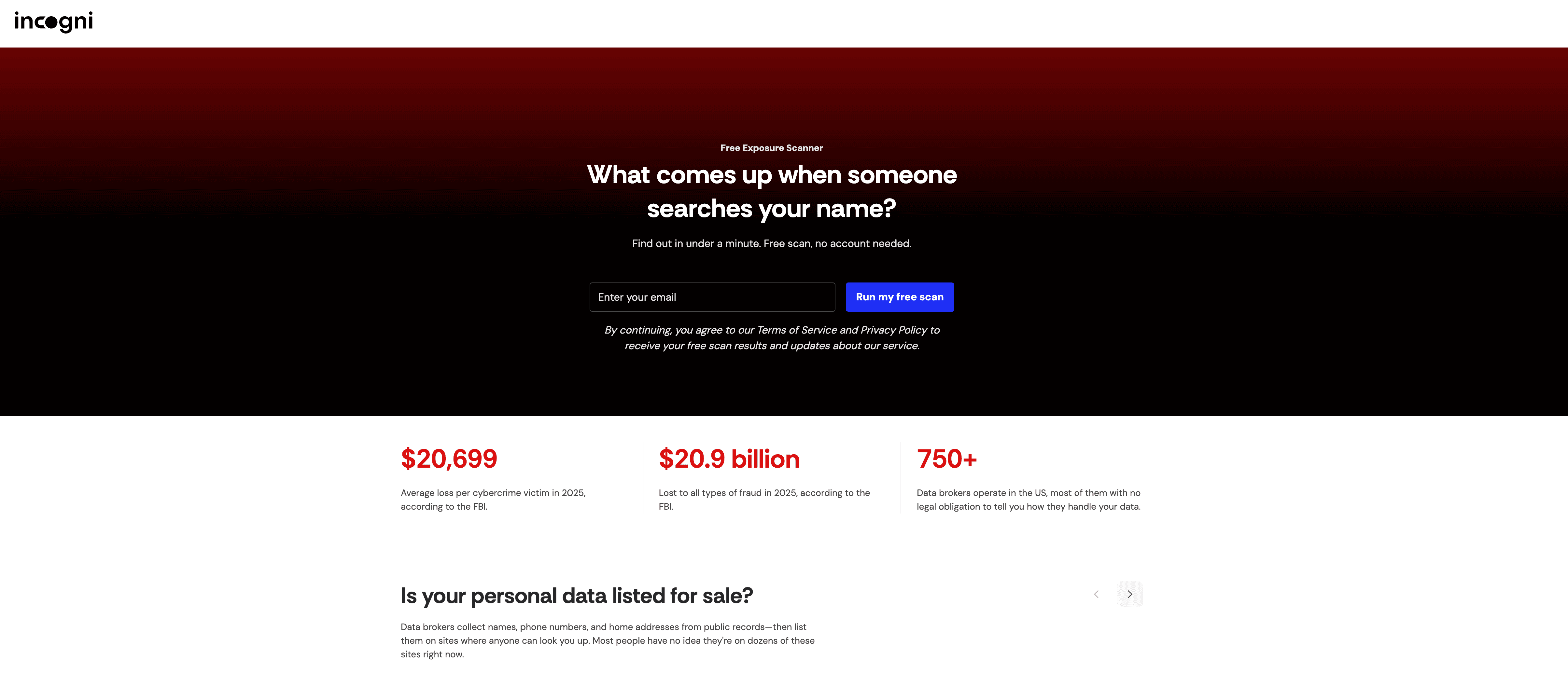
That’s exactly the kind of scan Incogni offers for free. Enter your state, city, full name, and email to get a snapshot of which data brokers already have your information.
Why Run a Background Check on Yourself
Most people never look themselves up until something forces the issue, such as a rejected application, a strange call from a stranger, or a friend mentioning what they found. By then, whatever’s wrong has usually already done its damage. A few situations make it worth doing on your own terms instead, before someone else beats you to it.
Job Hunting
Many employers run background checks as a standard part of hiring, and what turns up can shape a decision you never get to weigh in on. If there’s an error on your record, an old address that isn’t really yours, a criminal record belonging to someone with a similar name, or a court case that was supposed to be sealed, you want to catch it before a hiring manager does. Most companies won’t tell you why an offer fell through, so a bad record can quietly cost you a job with no explanation. Catching the problem yourself, ahead of time, means you can address it before it ever reaches someone else’s desk.
FYI: Scammers target job seekers using fake job ads to steal personal information. In 2025, over $360 million was stolen from victims from this type of crime.1
Renting or Buying a Home
Landlords and property managers commonly pull background and credit checks on applicants, and the same goes for co-signing a lease or applying for a mortgage. A single outdated eviction record, a wrong address on file, or a misattributed court filing can sink an application, even when the issue has nothing to do with you. Housing decisions often move fast, so there’s rarely time to dispute something once it’s already cost you the apartment. Checking yourself ahead of an application gives you a chance to fix the record instead of finding out about it after the fact.
Dating and Personal Safety
People increasingly look up new dates, roommates, or business contacts before meeting them in person, using nothing more than a name and a phone number. Knowing what comes up when someone searches your name helps you understand what impression you’re making before you even show up. If an old address, an unflattering photo, or outdated information is the first thing a search surfaces, that’s worth knowing in advance. It also gives you a chance to correct anything genuinely wrong before it colors someone’s first impression of you.
FYI: Romance scams continue to rise, with research showing that older adults are being targeted.2 Many scammers ask for money or cryptocurrency, while others use personal information to steal their identity.
Catching Identity Theft Early
A background check can surface addresses you never lived at, aliases you never used, or accounts tied to your name that aren’t yours, all early signs someone else may be using your identity. These signs are easy to miss unless you’re specifically looking, since most people never compare their own records against what a data broker or background check company has on file. Catching a mismatch early can mean the difference between a quick correction and months untangling fraudulent accounts or credit damage. It’s one of the more overlooked reasons to run a self-check even if you’re not job hunting or apartment shopping.
>> Related Reading: How to Remove Your Personal Information From the Internet
Preparing for a Professional License or Security Clearance
Certain jobs and licenses require a more thorough background check than a typical employer runs, digging further back and into more categories of records. Knowing what’s in your record ahead of time means you can address any surprises before they hold up an application or delay a clearance review. This matters even more if you’ve moved frequently, used variations of your name, or have any court history that might need context. A little preparation up front can save weeks of delay later in a process you don’t fully control.
Auditing Your Own Digital Footprint
Data brokers and people-search sites compile public records, social media activity, and purchase history into profiles anyone can access, often for a small fee. Most people have no idea how much of this is floating around until they look, and the picture these sites paint doesn’t always match reality. Old addresses, incorrect relatives, or outdated employment details can sit on these sites for years unnoticed. Running a self-check is often the only way to find out what’s actually being sold about you.
What a Background Check Actually Reveals
Not every background check pulls the same information, but most commercial and employment checks draw from a similar pool of public and semi-public records.
- Identity details. Full legal name, known aliases, date of birth, and sometimes a partial Social Security number used to confirm identity.
- Address history. Every address on record for you, going back years, often including addresses you only lived at briefly.
- Phone numbers and email addresses. Current and past contact information pulled from public listings, data breaches, and marketing databases.
- Criminal and court records. Arrests, convictions, and civil court filings, pulled from county, state, and federal court databases. Some records that should be sealed or expunged can still show up if a database hasn’t been updated.
- Employment and education history. Basic verification of where you’ve worked and what degrees you hold, typically confirmed directly with the employer or school rather than pulled from public records.
- Relatives and associates. Family members, past roommates, and other people linked to your name through shared addresses or public records.
- Vehicle and property records. Registered vehicles, property ownership, and in some cases mugshots or house photos pulled from public listings.
- Social media and online presence. Public posts, usernames, and profile information from platforms like Facebook and Instagram, plus whatever shows up in a basic Google search of your name.
Employment background checks are legally more limited than what a people-search site can show you. The Fair Credit Reporting Act governs what employers can use and requires your consent, while data broker and people-search sites operate under a different, much looser set of rules, which is part of why the picture from a $20 people-search report can look messier than the one an employer’s background check turns up. Understanding that distinction matters when you’re deciding which method to use. A formal employment-style check tells you what an employer would see, while a people-search report tells you what anyone with a credit card can see.
How Often Should You Recheck Yourself
Once isn’t enough. Data brokers continuously re-scrape public records and resell information, so a clean search today doesn’t mean a clean search in six months. A reasonable habit is to check yourself once or twice a year, and again before any specific event where you know someone will be looking, such as a job application, a lease, a background check for a security clearance, or a first date with someone new. If you’ve recently moved, changed your name, or gone through a life event that generates new public records, like a divorce or a home purchase, that’s also a good time to look again.
Whatever any of these checks turn up, such as an outdated address, a record that isn’t yours, an old mugshot from a dismissed case, or a listing on a data broker site, most courts, background check companies, and individual sites have their own correction or removal processes. It’s worth following up, since that same information is visible to anyone else searching your name, not just you.
The Bottom Line
Running a background check on yourself isn’t about vanity. It’s about knowing what other people already know, or think they know, about you. A quick self-check across public records, your credit report, and a data broker scan takes under an hour and puts you back in control of a story otherwise being told about you without your input.
FAQs
-
Is It Free to Run a Background Check on Myself?
Yes, several parts of it are. County court portals, AnnualCreditReport.com, and most data broker exposure scans don’t cost anything. The main paid option is a commercial background check or people-search company’s compiled report.
-
How Long Does It Take to Check Yourself?
A basic search and a data broker scan can be done in under an hour. Pulling records from multiple county court systems or requesting a formal report usually takes longer, depending on how many jurisdictions you’ve lived in.
-
Will Checking My Own Background Affect My Credit Score?
No. Pulling your own credit report counts as a soft inquiry, which doesn’t affect your score, unlike a hard inquiry, which happens when a lender pulls your credit to approve a loan.
-
Can I Remove Information From My Own Background Check?
You can dispute inaccurate court records directly with the court, and you can opt out of people-search and data broker sites listing you. You generally can’t remove accurate criminal or court records just because you’d rather they weren’t public.
-
What's the Difference Between a Background Check and a Data Broker Report?
A formal background check, the kind an employer runs, is governed by the Fair Credit Reporting Act and requires your consent. A data broker report pulls from many of the same records but operates under looser rules and can be purchased by anyone.