

Best Antivirus Software for Crypto in 2026
Norton Antivirus offers the best protection of our crypto assets with its state-of-the-art phishing and malware detection.
 &
&
 Last Updated on May 18, 2026

- Detected all test malware and phishing files
- Bonus protection includes a password manager, VPN, and identity theft protection service
- User-friendly app with customization features for experts

- Real-time malware detection for laptops and phones
- All security tools are bundled into one app
- Excellent identity theft insurance protection

- Near-perfect malware and phishing detection rate
- Comes with data breach scans and device cleanup tools for mobile devices
- Affordable introductory and renewal rates
the security.brief
Norton Antivirus is the best antivirus for crypto traders with its real-time detection technology that instantly detects phishing and malware attacks.
Did you know that cybercriminals stole over $2 billion in cryptocurrency in the first half of 2025?1 That’s more than what was stolen in 2024 alone. What’s even more surprising is that most of these thefts could have been prevented with proper antivirus protection.
The best antivirus software for crypto defends your device from the latest phishing and malware attacks. After testing dozens of antivirus apps, we narrowed down the top three that do the best job protecting your digital assets. Some excel at detecting crypto-mining malware and others shine at blocking phishing attempts targeting wallet credentials. Let’s go through our test results.
>> Read More: Everything You Should Know to Invest in Crypto Safely
Quick Overview: Top Antivirus for Crypto
- Norton Antivirus - Best Malware and Phishing Protection
- Aura Antivirus - Best Identity Theft Prevention
- TotalAV Antivirus - Best Budget-Friendly Option
The Best Antivirus Software for Crypto Comparison
| System |
Norton Antivirus
|
Aura Antivirus
|
TotalAV Antivirus
|
|---|---|---|---|
| Ranking | 1st | 2nd | 3rd |
| Ratings | 9.7/10 | 9.5/10 | 9.3/10 |
| Starting Price | $19.99 for the first year | $36 for the first year | $29 for the first year |
| Maximum Number of Devices | 10 | 10 | 8 |
| Free Trial | 14-day free trial | 60-day money-back guarantee | 30-day money-back guarantee |
| VPN | Yes | Yes | Yes |
| Password Manager | Yes | Yes | Yes |
| Identity Theft Protection | Yes | Yes | Yes |
| Read Review | Norton Antivirus Review | Aura Antivirus Review | TotalAV Antivirus Review |
-
1. Norton Antivirus - Best Malware and Phishing Protection
View Plans Links To Norton
Product Specs
Virus Detection Yes Malware Detection Yes Firewall Yes Full, quick, and scheduled scans Yes Real-time protection Yes Behavior-based monitoring Yes
Overview
Norton has been protecting computers since before Bitcoin, and that experience shows. During our testing, Norton caught every single piece of crypto-related malware we threw at it, including some seriously sneaky keyloggers that other programs missed. Even after all these years, Norton is still one of the best antivirus apps around.
What We Like
- Perfect malware detection rate
- Minimal system impact
- Excellent customer support
- Cloud backup protects wallet backup files
- VPN included for secure trading on public WiFi
What We Don’t Like
- Expensive renewal costs compared to competitors
- Desktop experience isn’t as user-friendly as the mobile app
- Norton’s password manager is a separate app for mobiles
Norton Antivirus Crypto Security Features
What we like about Norton is that it takes a multi-layered approach to crypto security. The software doesn’t just scan for malware. It actively monitors for signs of cryptojacking through its Intrusion Prevention System and real-time threat detection. We saw this in action when we visited a compromised website hosting mining scripts. Norton blocked it before our CPU usage could spike.
Norton’s SafeCam feature is another useful tool for crypto traders. It blocks unauthorized access to your webcam and microphone, preventing hackers from potentially recording you entering wallet passwords or viewing private keys.
Pro Tip: We recommend activating Norton’s dark web monitoring feature. It continuously scans underground marketplaces for your email addresses and alerts you if your credentials appear in data breaches.
Norton Antivirus Real-Time Protection
Norton’s SONAR (Symantec Online Network for Advanced Response) technology impressed us the most. It uses a behavior-based threat detection system to monitor apps. When Norton detects suspicious behavior from an app, the system quarantines or blocks it.

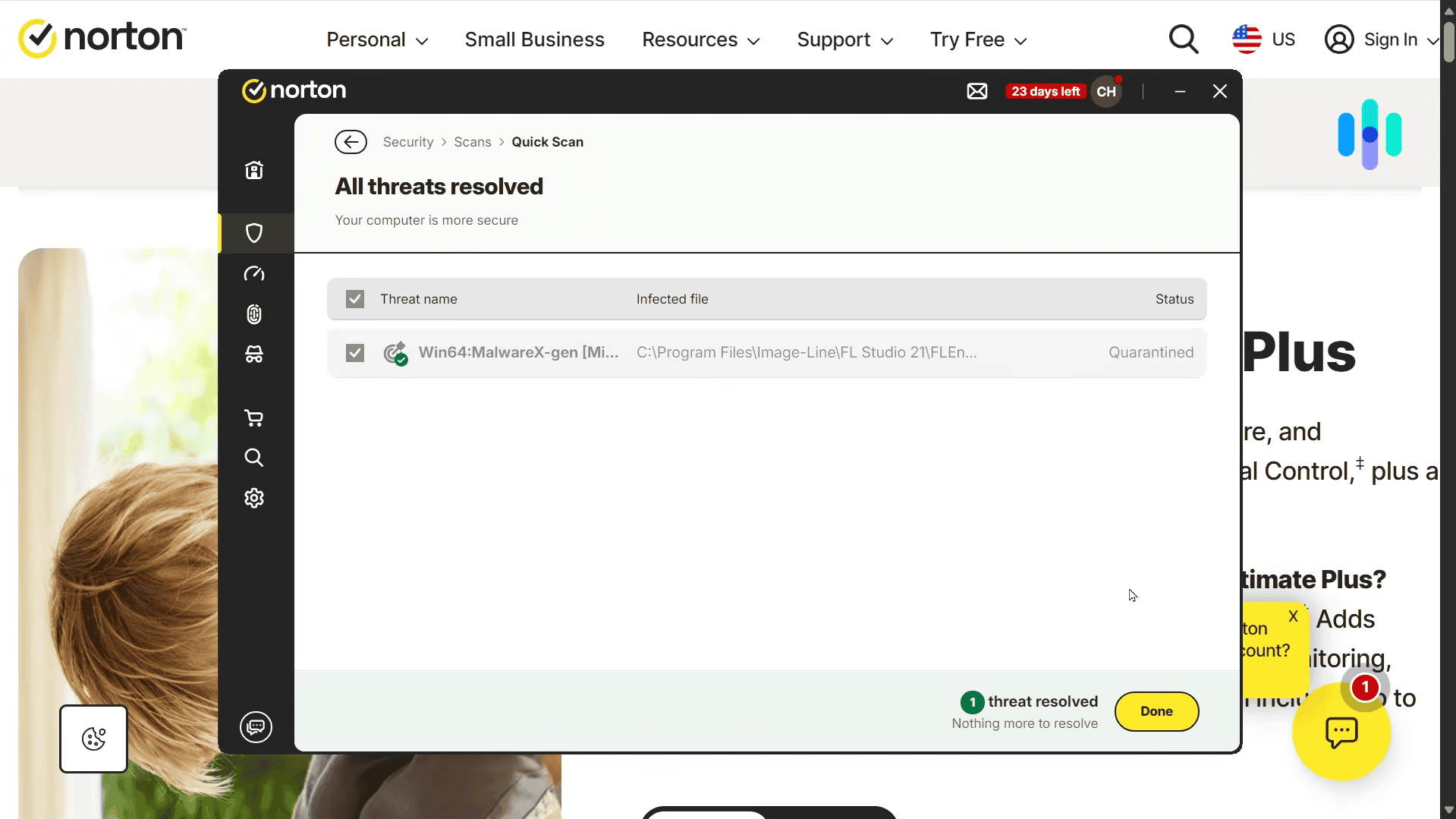
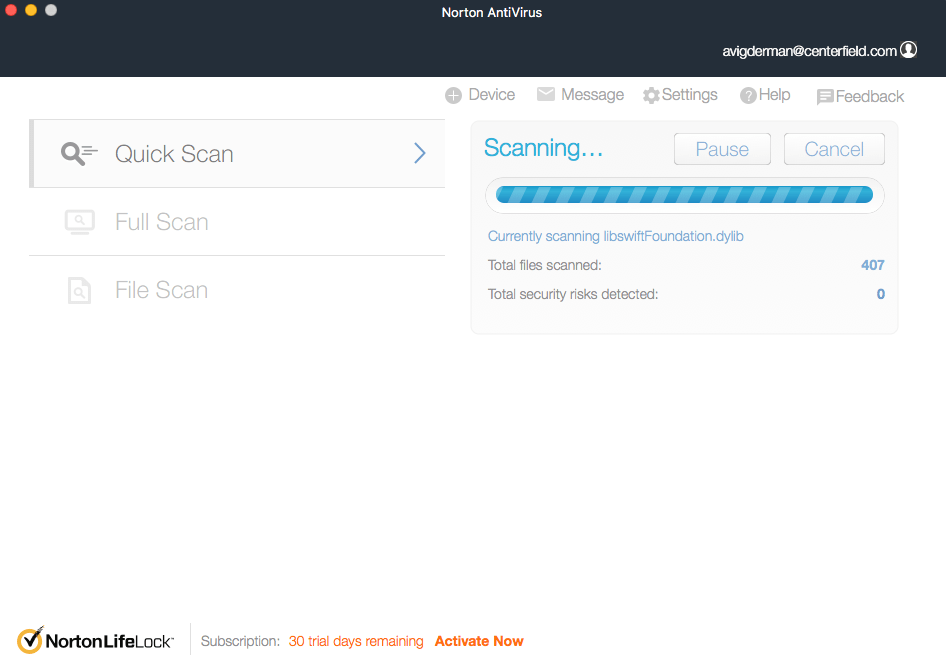
We ran a Quick Scan and Full Scan and didn’t notice any significant impacts to our system performance. This is how Norton caught a crypto clipper malware we used to test antivirus. This malware type replaces cryptocurrency addresses in your clipboard with the attacker’s address, which can be devastating if you’re making large transfers.
We found that Norton works seamlessly with popular crypto exchanges. We tested it on Coinbase, Binance, and Kraken, and Norton’s Safe Web extension clearly marked them legitimate sites. It also warned us about phishing domains mimicking those crypto exchange sites.
Expert Tip: We also tested Norton’s Script Control feature, and it worked flawlessly. You can use it to prevent browser-based crypto-mining scripts from running without your permission.
Norton Antivirus Costs
Norton plans start at $19.99 for the first year, but this option only protects one device and doesn’t include the VPN or cloud backup. For crypto traders, we recommend Norton 360 Deluxe, which covers up to five devices and includes a VPN, dark web monitoring, and 50 GB of cloud storage for $49.99 in the first year.
After the introductory period, the price jumps to $119.99 annually. These renewal rates are higher compared to Aura and Total, but Norton’s suite is one of the most complete available. Between its crypto-specific protections, real-time monitoring, and bundled VPN, the first-year promotional pricing offers strong value if you’re looking for an all-in-one security package.
-
2. Aura Antivirus - Best Identity Theft Prevention
Select a Plan Links To Aura.com
Product Specs
Virus Detection Yes Malware Detection Yes Firewall No Full, quick, and scheduled scans No scheduled scans Real-time protection Yes Behavior-based monitoring No
Overview
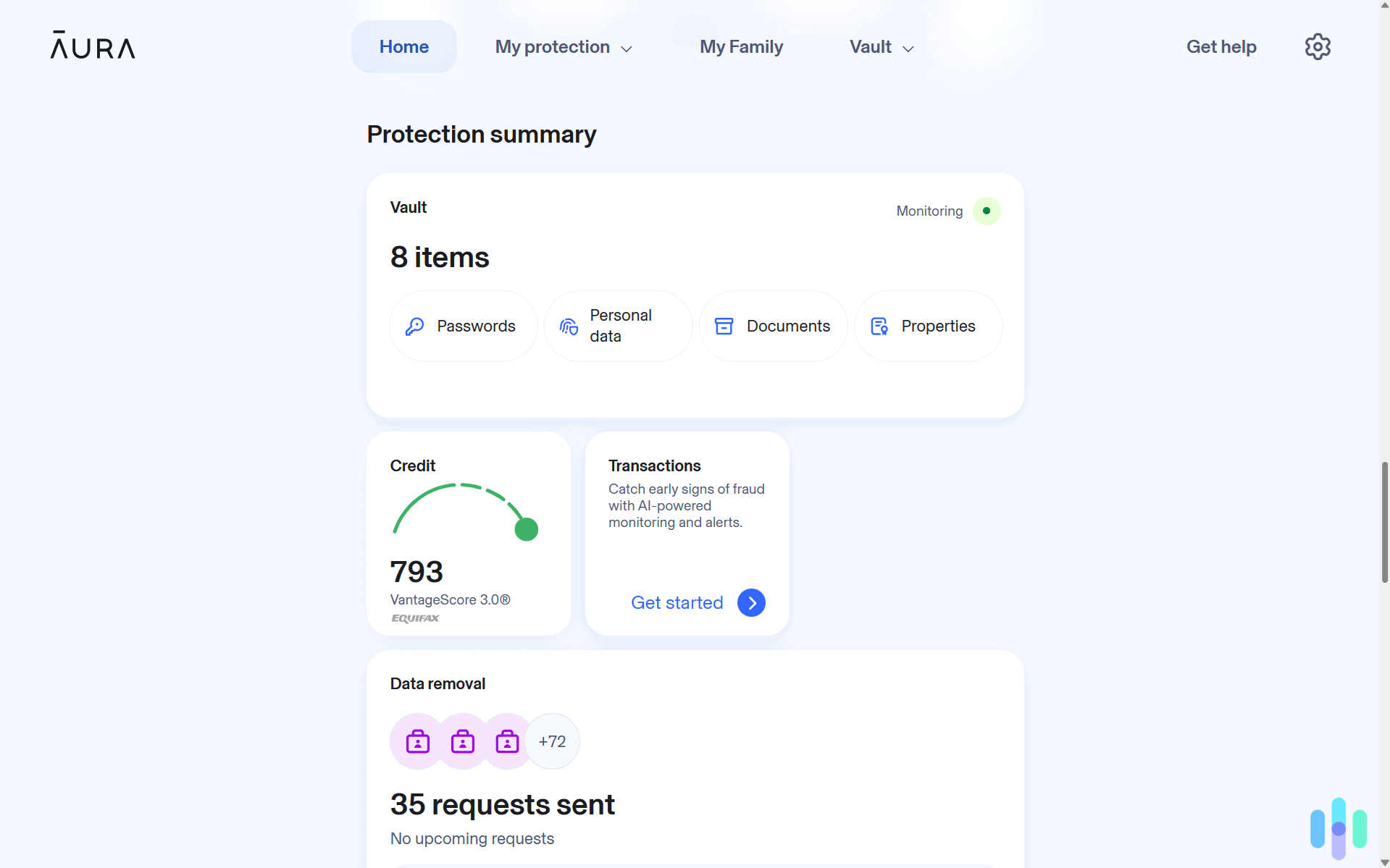
While Norton includes its identity theft protection service, LifeLock, in some of its subscriptions, Aura’s offering is more comprehensive. Aura’s identity monitoring features include online accounts, Social Security Numbers, and other personally identifiable information that can be used to hijack your crypto wallet.
>> See More: The Best Identity Theft Protection Services of 2026
What We Like
- Comprehensive identity theft protection
- $1 million identity theft insurance coverage
- Covers up to 10 devices
- 24/7 customer support with fraud specialists
- One-bureau credit monitoring included
What We Don’t Like
- No monthly payment options
- Real-time threat protection is only available on Windows devices
- Sensitive files vault is just 1 GB
Aura Antivirus Crypto Security Features
Aura monitors your SSN, bank accounts, and credit reports alongside your digital security. Why does this matter for crypto traders? Sophisticated attackers often use identity theft as a gateway to crypto theft. They might use your information to bypass two-factor authentication or perform SIM swapping attacks to gain access to your accounts.
During our testing, Aura alerted us within minutes that we were on a sketchy crypto airdrop site. The system recognized the site as a known phishing operation and immediately notified us that our information might be compromised. This rapid response time could be the difference between securing your accounts and losing everything.
>> Try Out: Our Free URL Safety Checker
Aura Antivirus Real-Time Protection
While Aura’s real-time protection is always on, we recommend running a scan regularly in case it misses anything.
Aura’s antivirus engine detected almost all of our malware samples, including crypto-specific threats like clipboard hijackers and fake wallet applications. The real-time scanning barely impacted system performance. We ran multiple trading platforms simultaneously without any noticeable lag.
We noticed a few features missing, though. Aura doesn’t include a firewall like Norton 360. This is a useful feature for securing devices against suspicious network traffic. We couldn’t schedule scans either, which comes in handy when we have a lot on our plate. Our next pick, TotalAV, includes this option.
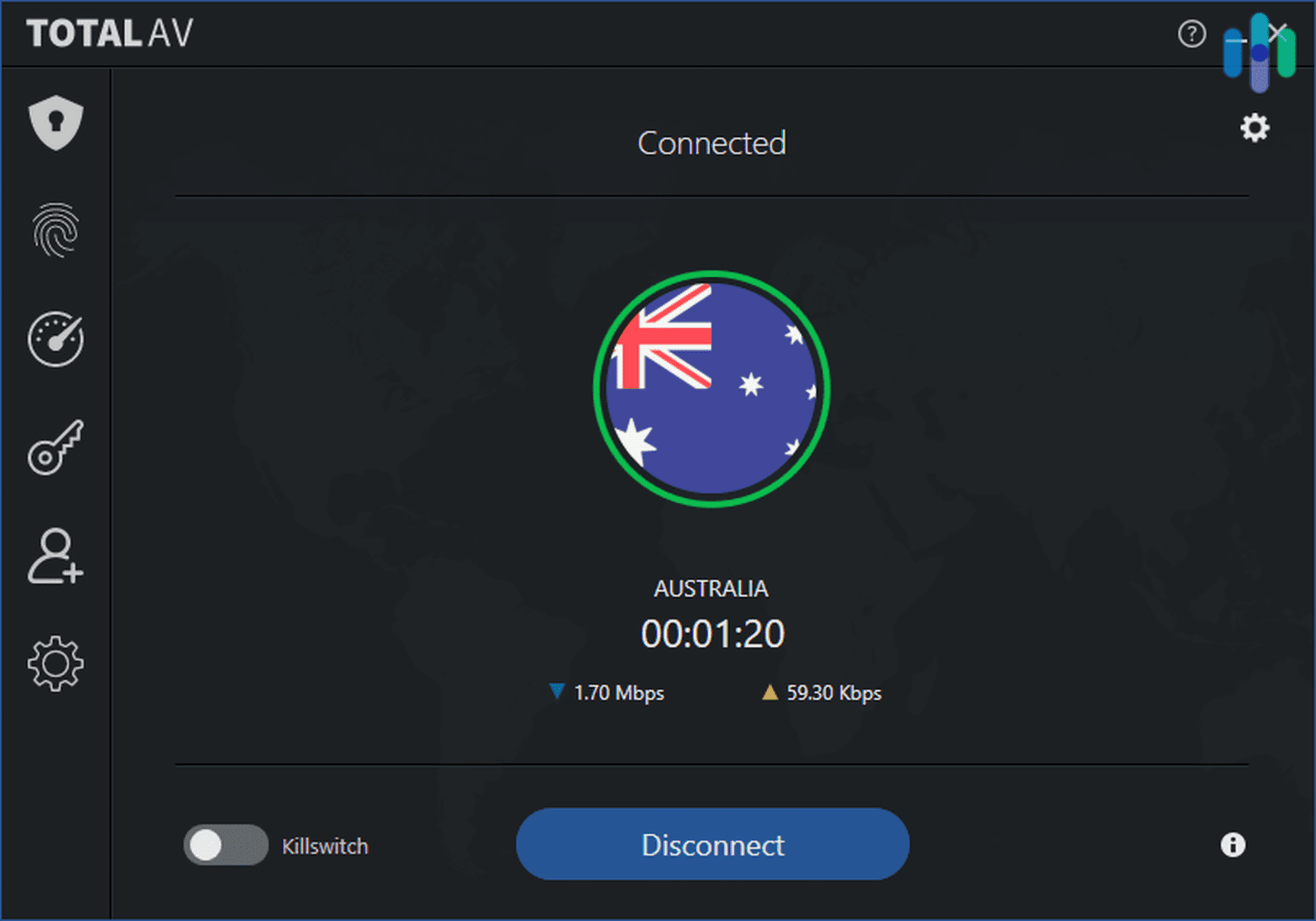
FYI: Aura’s VPN is a compact version of Hotspot Shield, which is one of the fastest VPNs we’ve tested. Hotspot Shield might be fast, but we think NordVPN is the better option, especially if security and privacy are important to you.
Aura Antivirus Costs
Aura Antivirus plans start at $3 per month (billed annually). This basic option covers three devices and includes antivirus protection and a VPN. For an extra $2 a month, you’ll get full identity theft protection and all of Aura’s premium features. Here’s a breakdown of each plan.
Antivirus Antivirus Plus Ultimate Devices Covered 3 5 10 Antivirus Protection Yes Yes Yes VPN Yes Yes Yes Password Manager No Yes Yes Secure Vault No 1 GB 1 GB Identity Theft Protection No Basic Premium Cost $3 per month, billed annually $4 per month, billed annually $5 per month, billed annually -
3. TotalAV Antivirus - Best Budget-Friendly Option
 Get TotalAV Links To TotalAV
Product Specs
Virus Detection Yes Malware Detection Yes Firewall No Full, quick, and scheduled scans Yes Real-time protection Yes Behavior-based monitoring No
Overview
Don’t let the budget-friendly price fool you. TotalAV delivers reliable protection that covers the essentials for crypto security. At less than half the cost of premium competitors, it’s an excellent choice for casual crypto investors or those just starting their digital asset journey.
What We Like
- Excellent value for money
- Simple, user-friendly interface
- Strong malware detection rates
- Includes VPN on higher-tier plans
- Regular database updates
What We Don’t Like
- No dark web monitoring
- Limited customer support hours
- Fewer advanced features than premium options
TotalAV Crypto Security Features
During our tests, TotalAV successfully identified and blocked all crypto-mining malware, keyloggers targeting wallet passwords, and phishing scenarios we ran. The WebShield feature deserves particular praise. It blocked every fake crypto site we attempted to visit.
We found Total Password’s features were basic compared to Norton, but it’s still effective for storing wallet passwords and exchange credentials. Total Password generates strong passwords and syncs across devices, but it’s missing some advanced features like password sharing or emergency access. It’s still better than reusing passwords or storing them in a text file.
>> Learn More: Understanding Password Managers
TotalAV Real-Time Protection

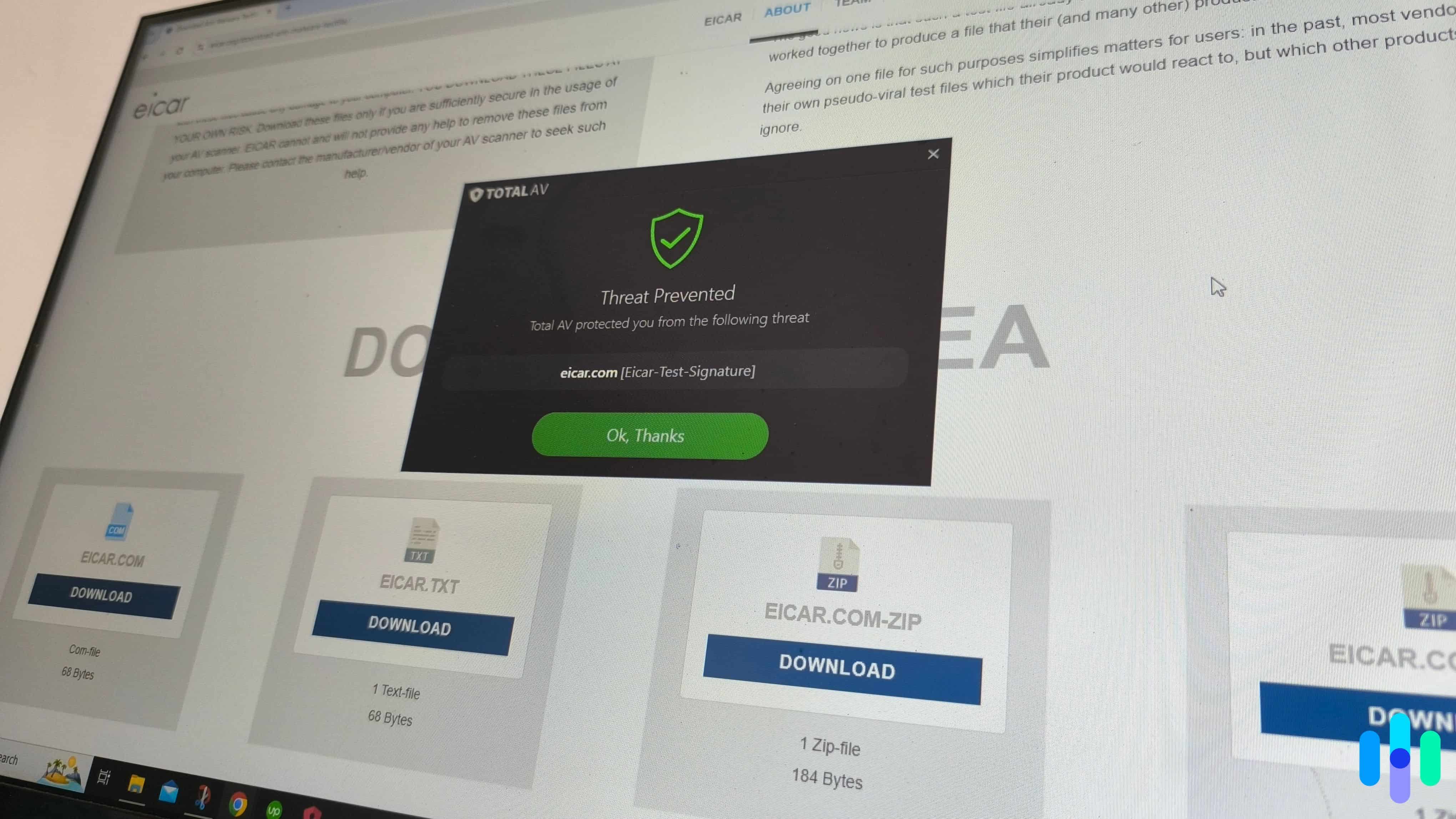
We received this prompt after attempting to open the malware test file TotalAV’s real-time protection caught a trojanized version of a popular crypto portfolio tracker in one of our scenarios. The software immediately quarantined the file and provided clear information about why it was flagged, which is a level of transparency we appreciate.
Unlike some antivirus programs that bombard you with notifications, TotalAV stays quiet unless there’s a genuine threat. We use the quick scan feature to check our downloads before installing new wallet software or crypto tools.
Trading Tip: Schedule TotalAV’s deep scans for times when you’re not actively trading to avoid any performance impact during crucial market moments.
TotalAV Costs
TotalAV’s pricing is competitive, with its first-year plan costing just $29. This option covers up to three devices and includes essentials like real-time protection, WebShield, and system cleanup tools. If you need more, the Internet Security plan adds a VPN and extends coverage to six devices, while Total Security supports eight devices and throws in a password manager.
Like Norton and Aura, TotalAV’s renewal pricing is much higher than its introductory deals, but even its standard rates are affordable. For crypto users who mainly want solid malware protection and a VPN without paying top-tier prices, the Internet Security plan strikes the best balance of features and value.
>> Find Out: The Best VPNS for Crypto Trading in 2026
Methodology: How We Selected The Best Antivirus Suites for Crypto Users
Our Review Guidelines
At Security.org, every antivirus suite goes through a strict vetting process before it earns a place on any of our editorial recommendation lists. That means our reviewers install and actively run each product on Windows, macOS, Android, and iOS. We start each evaluation with a close review of detection performance against real threat scenarios. We then time full and quick scans across standardized conditions, then check how much background scans impact device performance to assess everyday usability. We also evaluate real-time protection performance, phishing and ransomware blocking, and other critical antivirus functions. Then to round out our evaluations, we weigh those results against plan costs and device limits. Our complete process follows our Editorial Guidelines.
Our Primary Review Criteria
Crypto users face a threat landscape that’s more targeted, more financially motivated, and more technically sophisticated than what most consumer antiviruses are designed to handle. Clipper malware, wallet-draining trojans, and exchange-spoofing phishing campaigns are built specifically to evade standard detection. We shaped our evaluation criteria around those specific threats. Here’s what we prioritized:
- Crypto-Targeted Malware and Clipboard Hijacker Detection: We tested each suite’s ability to identify and neutralize threats specifically engineered to target crypto users — including clipboard hijackers that silently replace copied wallet addresses, keyloggers designed to capture seed phrases, and trojans that monitor for crypto-related browser activity. We evaluated whether each product’s detection engine was tuned to catch these threats.
- Ransomware Behavior Blocking and Wallet File Protection: We assessed each suite’s ransomware mitigation capabilities with particular attention to whether protected folders or behavior-based blocking could prevent unauthorized encryption of wallet files, private key storage, and crypto-related application data. We tested whether each product’s behavioral detection engine caught ransomware before encryption began or only after it had already done damage.
- Web Protection Against Phishing and Spoofed Exchange Sites: We evaluated each suite’s ability to intercept crypto-specific phishing attempts in real time, including spoofed exchange login pages, fake wallet recovery sites, and malicious browser extensions designed to steal session cookies. We ran tests across Chrome, Firefox, and mobile browsers to determine whether each product’s web protection layer was capable of catching the kind of highly targeted, rapidly rotated phishing infrastructure that crypto users are routinely exposed to.
Every suite on this page cleared all three of these criteria under repeated testing.
Who We Are
Security.org’s antivirus evaluations are led by Brett Cruz, a consumer-first cybersecurity expert and antivirus specialist with over a decade of experience evaluating antivirus suites, VPNs, and digital protection tools. Brett’s hands-on, reader-focused methodology shapes every recommendation on this page.
Behind Brett is our independent editorial roster of 20+ specialists. The team has collectively published 740+ reviews, guides, and research, many of which have been cited by major outlets including The New York Times, TechRadar, and CBS News. We have logged over 25,000 hours of accumulated security product testing since 2018. That team includes:
- Corey Birnstengel: Editor and videographer behind 200+ hands-on video reviews spanning multiple home and digital security products
- Gene Petrino: Retired law enforcement sergeant with three decades of crime prevention and real-world security expertise
- Ozzie Enriquez: West Point graduate with 30+ years expertise in federal security operations and digital risk assessment
- Cort Honey: Product tester with an engineering background and 1,000+ hours of hands-on evaluation experience
Our picks are never affected by brand partnerships, ads, or affiliate deals — and in a space where bad security recommendations can cost users real money, we treat that independence not just as a policy, but a responsibility.
Do Crypto Investors Really Need Antivirus?
In our experience, holding crypto without antivirus protection is the equivalent of leaving your front door unlocked in a bad neighborhood. Over 30 percent of crypto fraud cases in 2024 involved phishing.2 Unlike traditional bank accounts, when your crypto is gone, it’s gone forever.
That’s why we recommend choosing antivirus software that specifically targets crypto-related threats like:
- Clipboard hijackers: These are malicious programs that silently replace the wallet address you copy with an attacker’s address.
- Fake wallet apps: Lookalike apps are designed to steal your private keys or seed phrases the moment you log in.
- Cryptojacking scripts: These hidden scripts hijack your computer’s processing power to mine coins for someone else, slowing down your system and running up energy costs.
- Phishing domains: Fake websites that mimic popular exchanges or wallets to trick you into handing over credentials.
- Keyloggers: This malware records every keystroke, including wallet passwords and 2FA backup codes.
- Trojanized portfolio trackers: These are legitimate-looking tools laced with malicious code to harvest your account logins.
FYI: One of the scams growing significantly year on year is the pig butchering scam. In 2024, these scams stole more than $9 billion in crypto and traditional 3funds[./citation]
How to Choose the Best Antivirus for Crypto
Some antivirus features for crypto are non-negotiable. Before signing up for a subscription, check the plan covers all these features:
- Real-time malware scanning: This tool catches threats before they compromise your system.
- Behavior analysis: The antivirus app uses this technology to detect unusual activities like unauthorized crypto-mining or suspicious clipboard access.
- Web protection: You need this to block phishing sites and verify exchange URLs.
- Password manager: Use this tool to maintain unique, strong passwords for each crypto service.
- Dark web monitoring: This service alerts you if your credentials appear in data breaches.
- VPN: A virtual private network encrypts your internet connection, which is important when accessing exchanges on public Wi-Fi or unsecured networks.
- Identity theft protection: You’ll need this to monitor your personal information, including Social Security Numbers and financial accounts, to prevent fraud and SIM-swapping attacks.
Tips for Protecting Your Crypto Beyond Antivirus
While antivirus forms your first line of defense, complete crypto security requires a multi-layered approach. Follow these tips from our experts to keep your assets secure:
- Use hardware wallets for long-term storage of significant amounts.
- Enable two-factor authentication on all exchange accounts, preferably using authenticator apps rather than SMS.
- Keep your seed phrases offline in multiple secure locations.
- Regularly update your wallet software and operating system.
- Consider using a dedicated computer or virtual machine solely for crypto transactions.
- Never share private keys or seed phrases with anyone, regardless of how official they seem.
Recap: What is the Best Antivirus App for Crypto?
Protecting your cryptocurrency isn’t just about choosing the cheapest antivirus you can find. It’s about selecting the right security solution for your specific needs. Based on our testing, Norton offers the most comprehensive protection with its perfect malware detection and extensive feature set, making it ideal for serious investors.
Aura is perfect if you want all-around security as it combines antivirus with identity protection. We recommend choosing TotalAV if you’re new to crypto trading and only need a budget-friendly solution. The most important thing to do is configure them properly and combine them with smart security practices. Your future self will thank you when you’re still holding your crypto while others are posting about their losses on Reddit.
Frequently Asked Questions
-
Can antivirus software detect all crypto malware?
No antivirus catches 100 percent of threats, but top programs detect at least 99 percent of known crypto malware. The best antivirus apps use behavior analysis to catch new variants that aren’t in virus databases yet.
-
Will antivirus slow down my crypto trading?
Modern antivirus software has minimal impact on system performance. Most users won’t notice any slowdown during normal trading activities or when using wallet applications.
-
Do I need antivirus if I only use hardware wallets?
Yes, because you still interact with exchanges and wallet interfaces on your computer. Malware can compromise these interactions even if your keys are stored offline.
-
Can security apps see my passwords?
Reputable security apps cannot access passwords stored in iCloud Keychain or other password managers. They only scan for leaked credentials in public breach databases.
-
Can antivirus recover stolen cryptocurrency?
No, antivirus prevents theft but cannot reverse blockchain transactions. Once crypto is transferred to another wallet, it’s generally impossible to recover without the recipient’s cooperation.
-
Should I use free antivirus for crypto protection?
Free antivirus offers basic protection but often lacks crucial features like real-time web protection and behavior monitoring. Paid solutions provide more comprehensive security for valuable crypto assets.
-
How often should I scan my computer for crypto malware?
Run quick scans daily and full system scans weekly. Additionally, scan any crypto-related software before installation and enable real-time protection for continuous monitoring.
-
CNBC. (2025). Crypto theft is booming as criminals increasingly turn to physical attacks.
https://www.cnbc.com/2025/07/17/crypto-theft-hits-record-in-2025.html -
CoinLaw. (2025). Cryptocurrency Fraud Trends Statistics 2025: Analyzing Trends and Prevention Measures.
https://coinlaw.io/cryptocurrency-fraud-trends-statistics/ -
Chainalysis. (2025). Crypto Scam Revenue 2024: Pig Butchering Grows Nearly 40% YoY as Fraud Industry Leverages AI and Increases in Sophistication.
https://www.chainalysis.com/blog/2024-pig-butchering-scam-revenue-grows-yoy/