




the security.brief
Remove your data from Radaris in 10-20 minutes using manual steps or Incogni service. Opting out boosts privacy, reduces scams, and prevents identity theft.
Are you actively taking steps to regain control of your data? If you’re interested in opting out of Radaris, then you’re already several steps ahead of the game when it comes to your personal digital security. As cybersecurity experts, we understand how important it is to maintain data privacy online and control how your information is collected.
This guide will take you through everything you need to know to begin the Radaris opt-out process. We did this ourselves, and it was fairly straightforward, only taking around 10-20 minutes. So, let’s get into it.
What Is Radaris?
To put it plainly, Radaris is an online database that collects personal information on hundreds of millions of people. We know, that’s a shockingly high number of profiles — so, odds are your data is stored on their site even if you actively try to stay anonymous on the internet. Ours was.
Radaris gathers information from multiple sources, including social media, public records, and other data broker databases. It’s different from other search sites in that it allows discovery of social media profiles, internet activity, and online mentions. That online activity data is one of the reasons we like to use VPNs with our three favorite stealth-mode features so that we can stay hidden online.
Did You Know: You can control where your information is stored by using Incogni by Surfshark. Want to delete your phone number or address online? This tool removes it from databases for you. It’s included in the Surfshark One bundle that also has the Surfshark antivirus we tested.
Incogni is the fastest way to opt-out of Radaris. A few clicks of a button and your data is off their radar.

How Do I Opt Out of Radaris?
If you’re here, you’re most likely wondering if opting out of Radaris is possible, and, if so, can you do it and how long it takes. We went through the opt-out process so that we can give you the most detailed account of how to do it. So, yes, you can do it yourself. However, you can also subscribe to a data-removal service and have them do it for you.
Before we get too far into each process, we do want to preface that going through this does take some time. It’s absolutely possible, but you should set aside some time to go through this entire opt-out procedure. Also, even once you complete the process, your request is subject to approval. That means it’s not guaranteed, kind of like when you try to delete your personal information from Google. Either way, we’ll guide you through both options and include our favorite data-removal service, too.
How to Remove Your Data Manually From Radaris
When getting your data off of Radaris manually, you’ll need a bit of patience. And that’s speaking from experience since we just did it ourselves. We documented each step of the way, so you’d have clear screenshots and descriptions to follow. Here’s the exact process we followed to manually remove our data from Radaris:
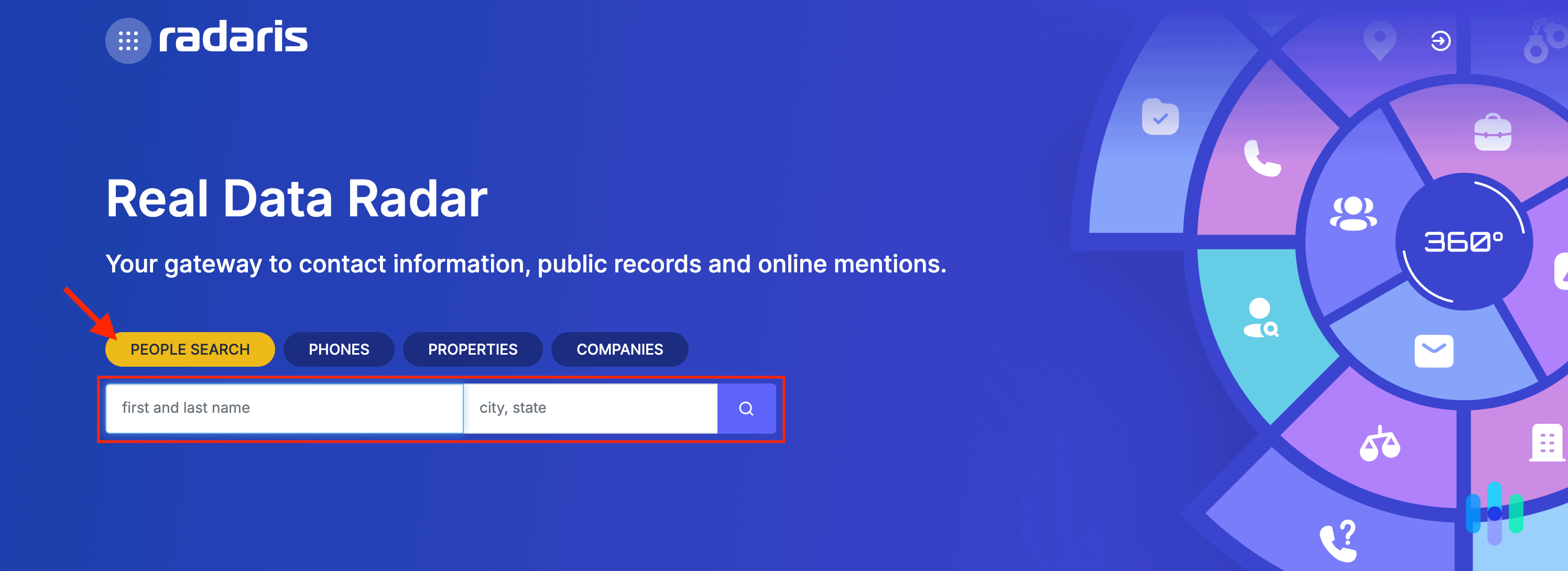
1. Head to the Radaris website.1 Once you’re there, make sure “People Search” is selected. Then, enter your contact information in the search box and click on the search icon.
2. You’ll be presented with different profiles. Click on “View Profile” next to the one that’s yours.
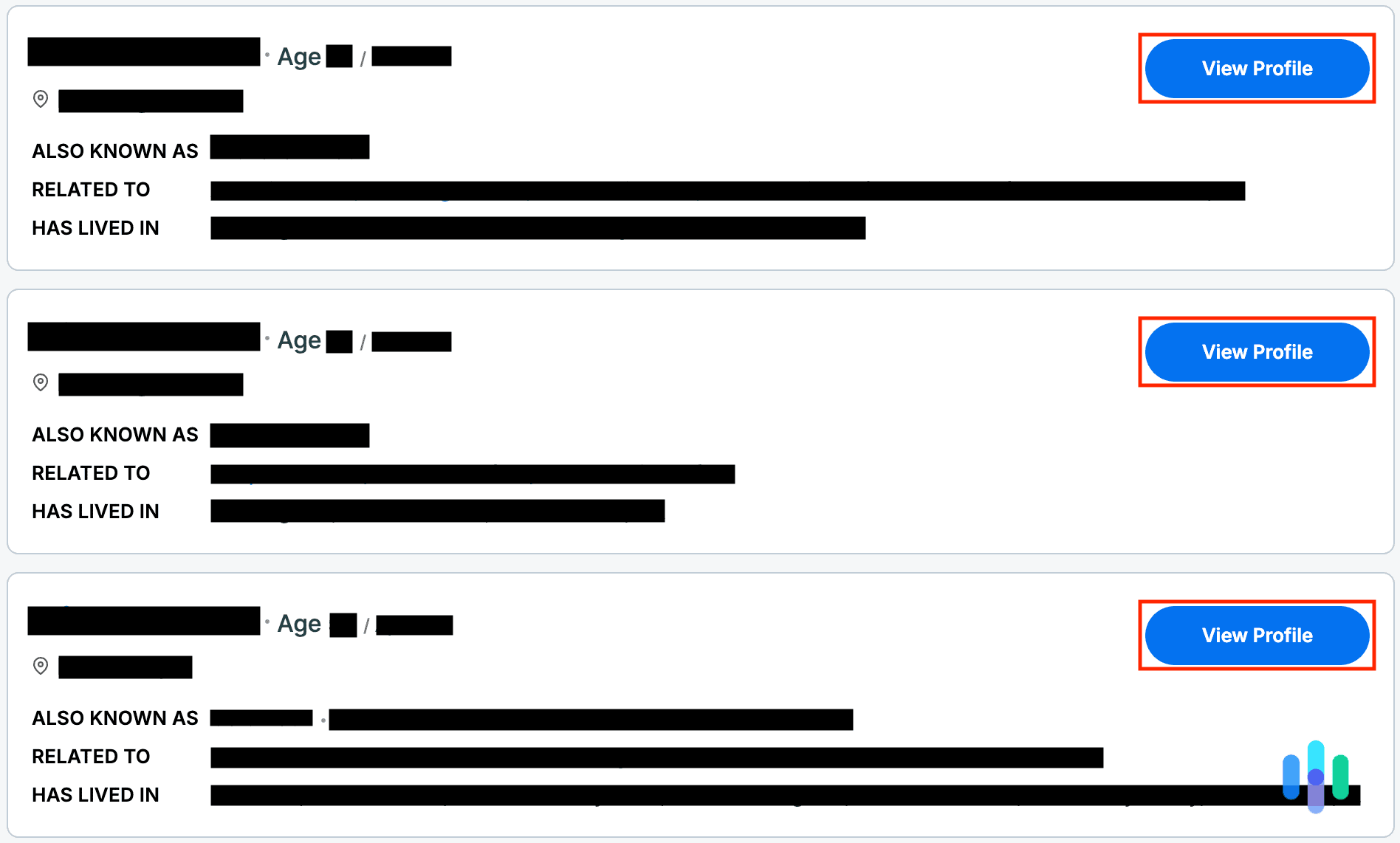
Pro Tip: In our case, more than one profile matched ours. So, we repeated the next few steps to ensure we fully removed our data from Radaris. You should do the same to make sure all of your data gets removed.
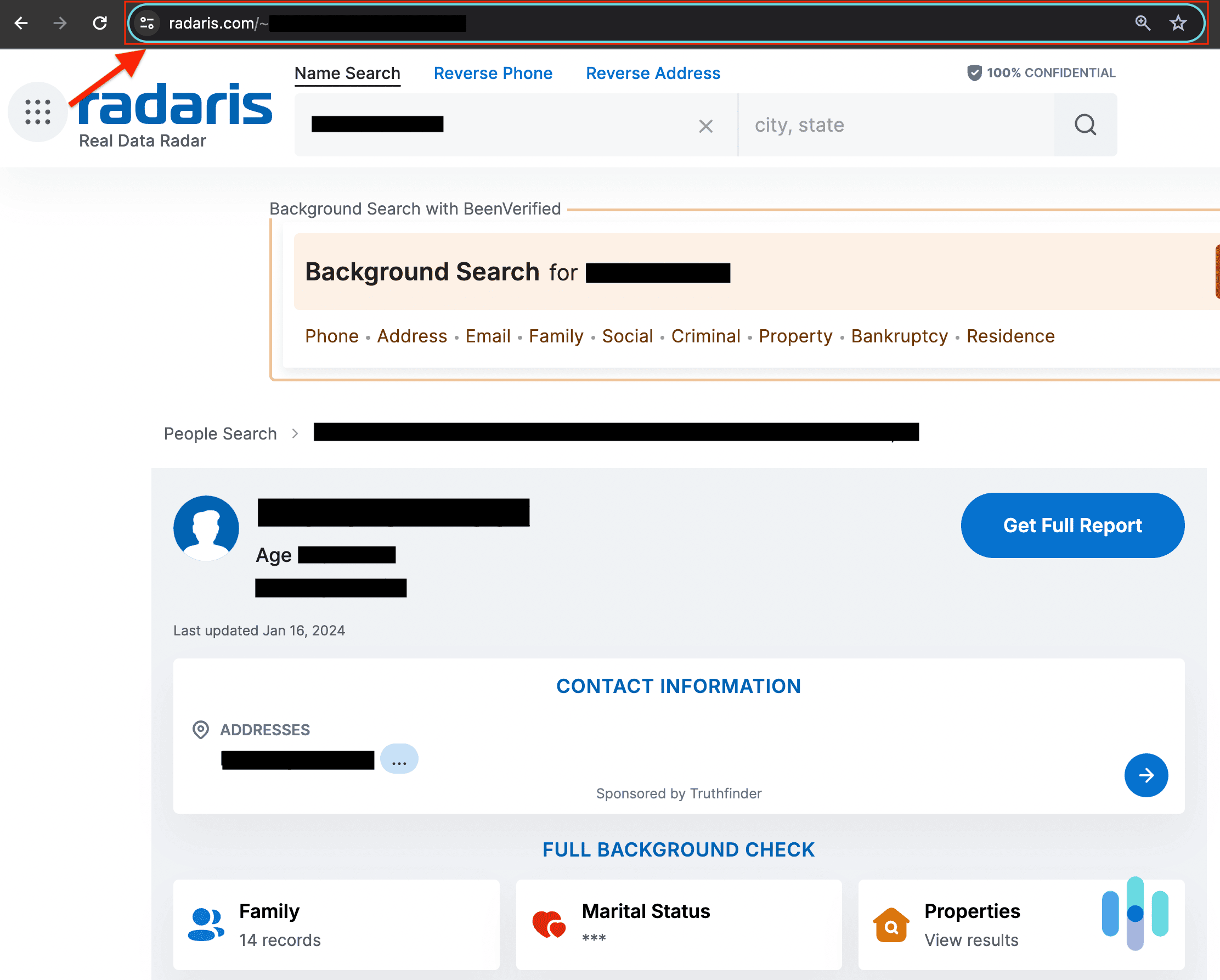
3. Once you open your profile, copy the URL.
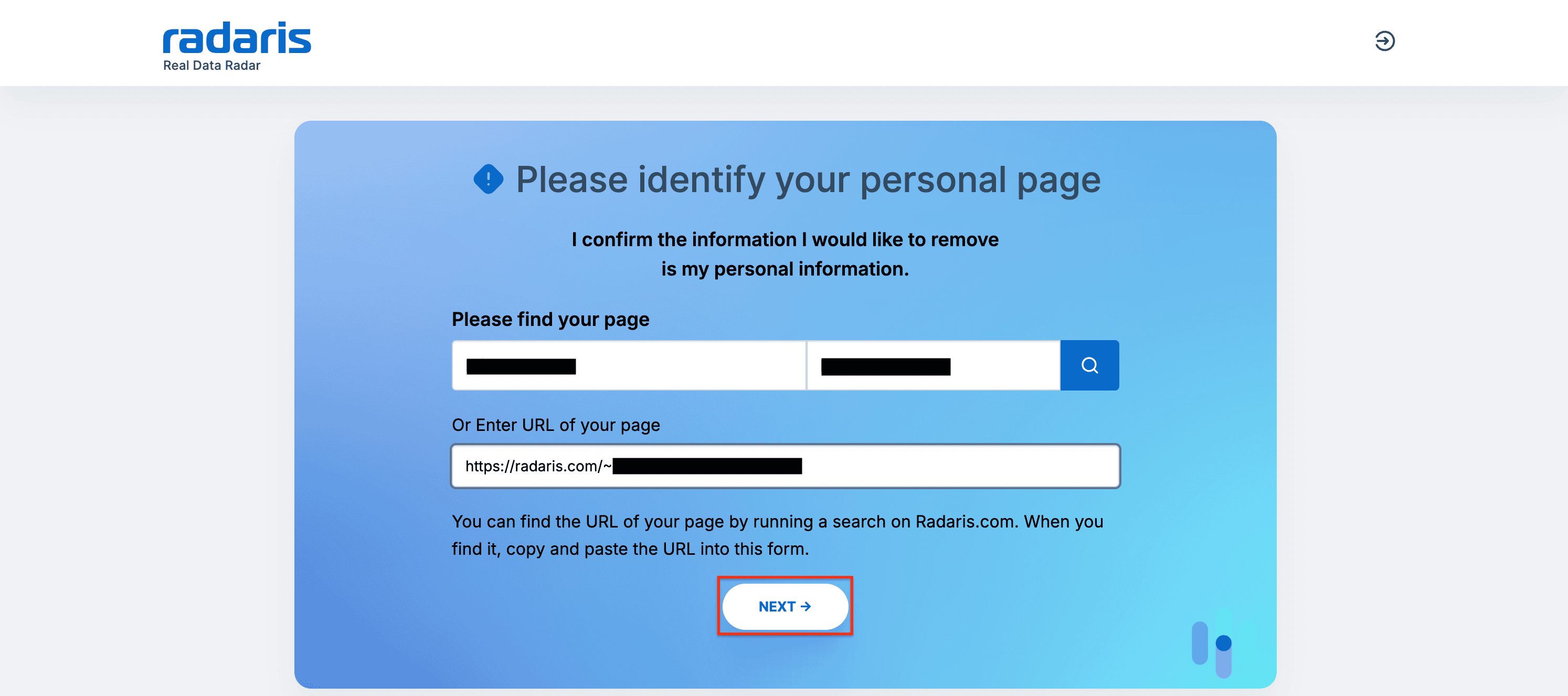
 4. Go to https://radaris.com/control/privacy and enter your full name, city, state, and URL on the Radaris opt out page. Then, click “Next.”
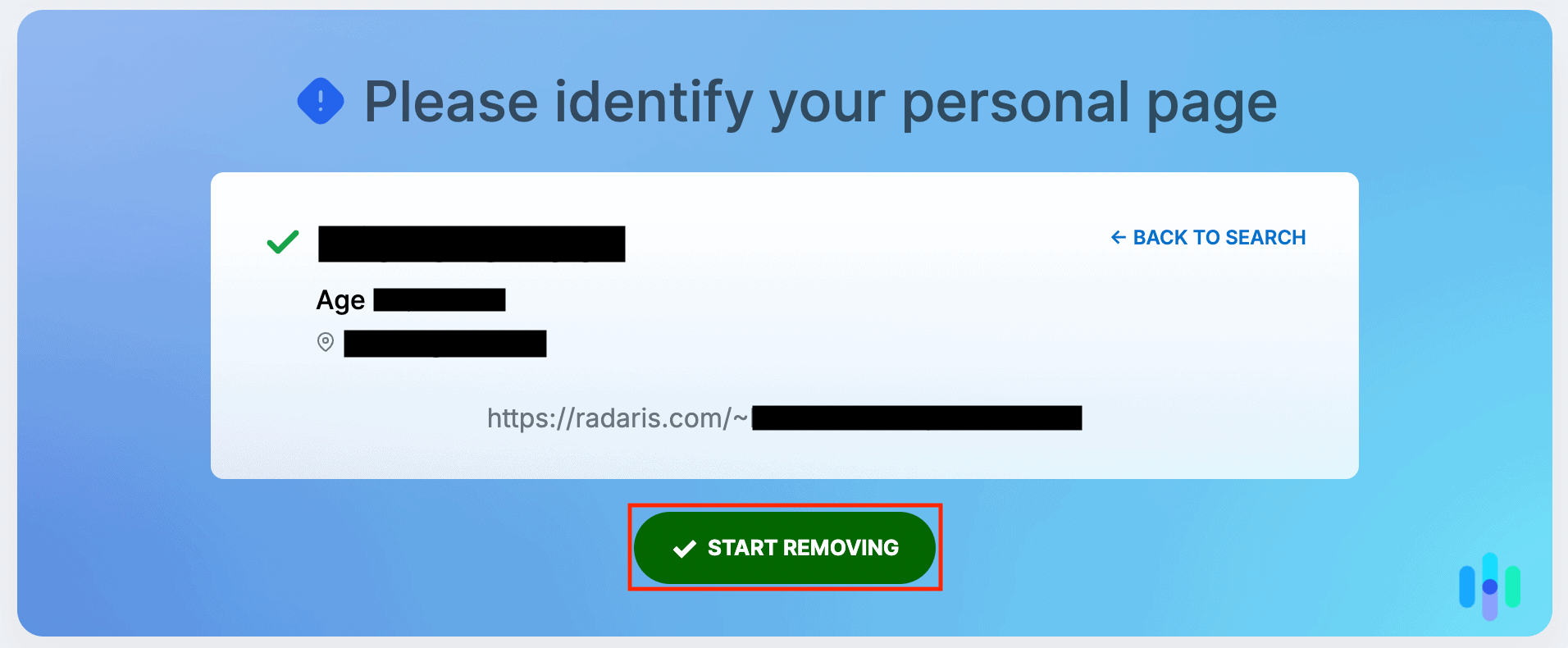
 5. Confirm your identity and then click “Start Removing.”
 6. You’ll be taken to a loading screen. There, we found that you must continue to click “Next” for the loading bar to progress.
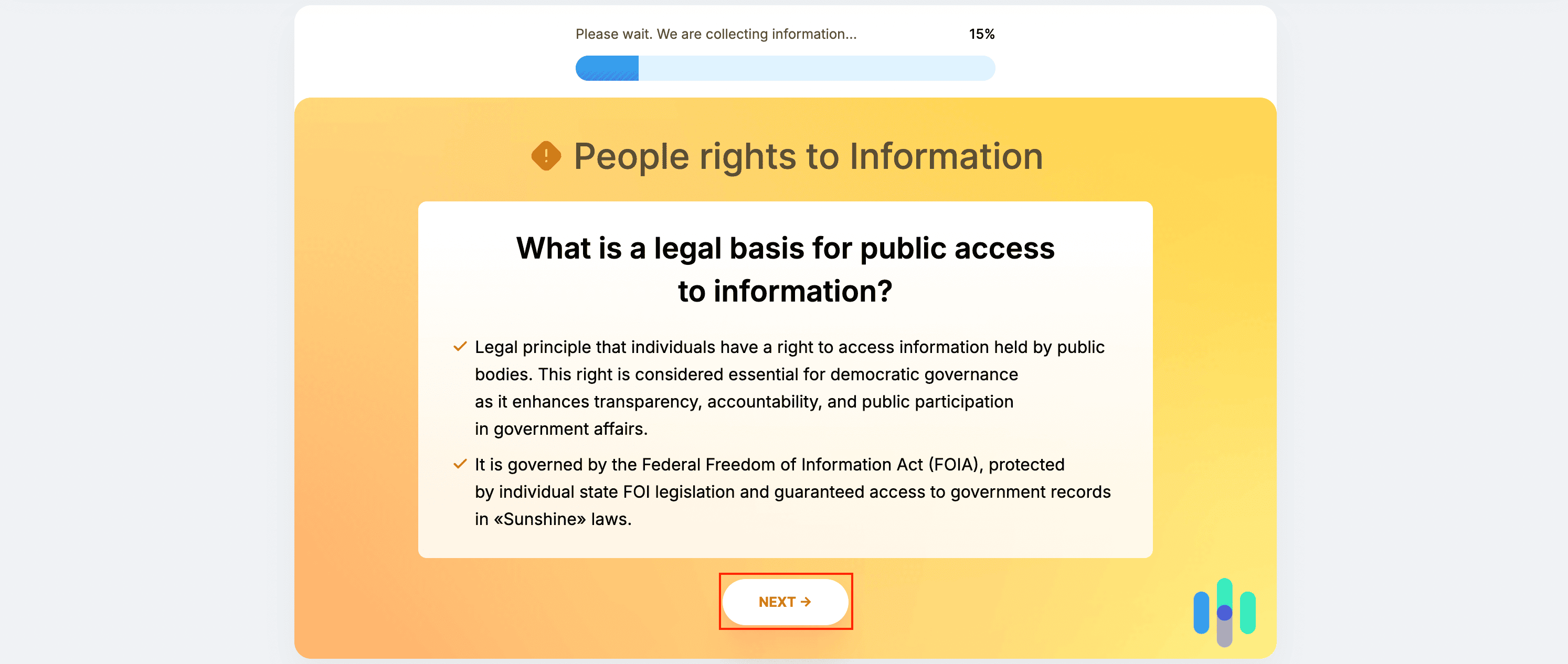
FYI: You may want to read the information before clicking on “Next” as it’s useful to know.
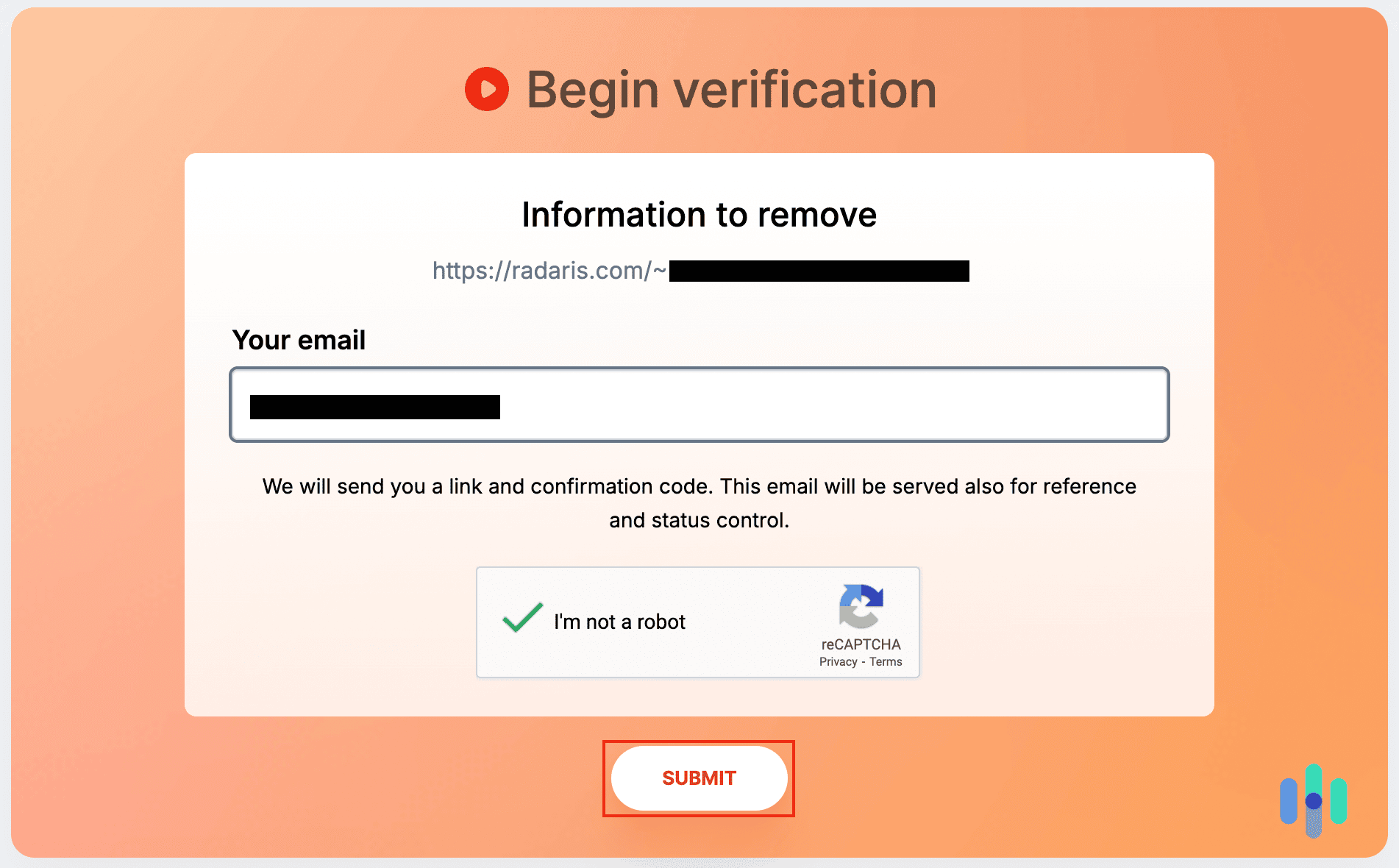
7. On the following page, you’ll need to verify your identity. Enter your email address, click on the captcha box, and then click “Submit.”
8. You’ll then need to verify your email address to finalize the process.
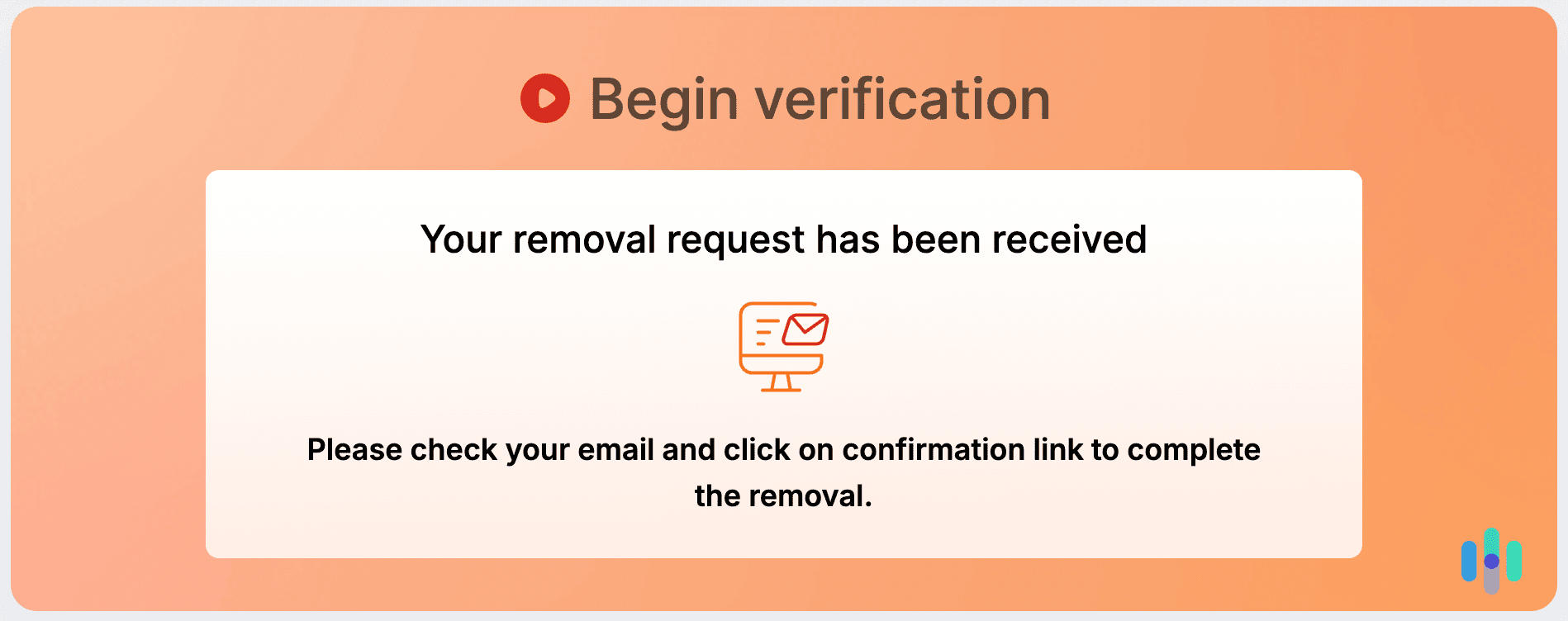 9. Head to your inbox and click the confirmation link to complete your Radaris opt-out request.
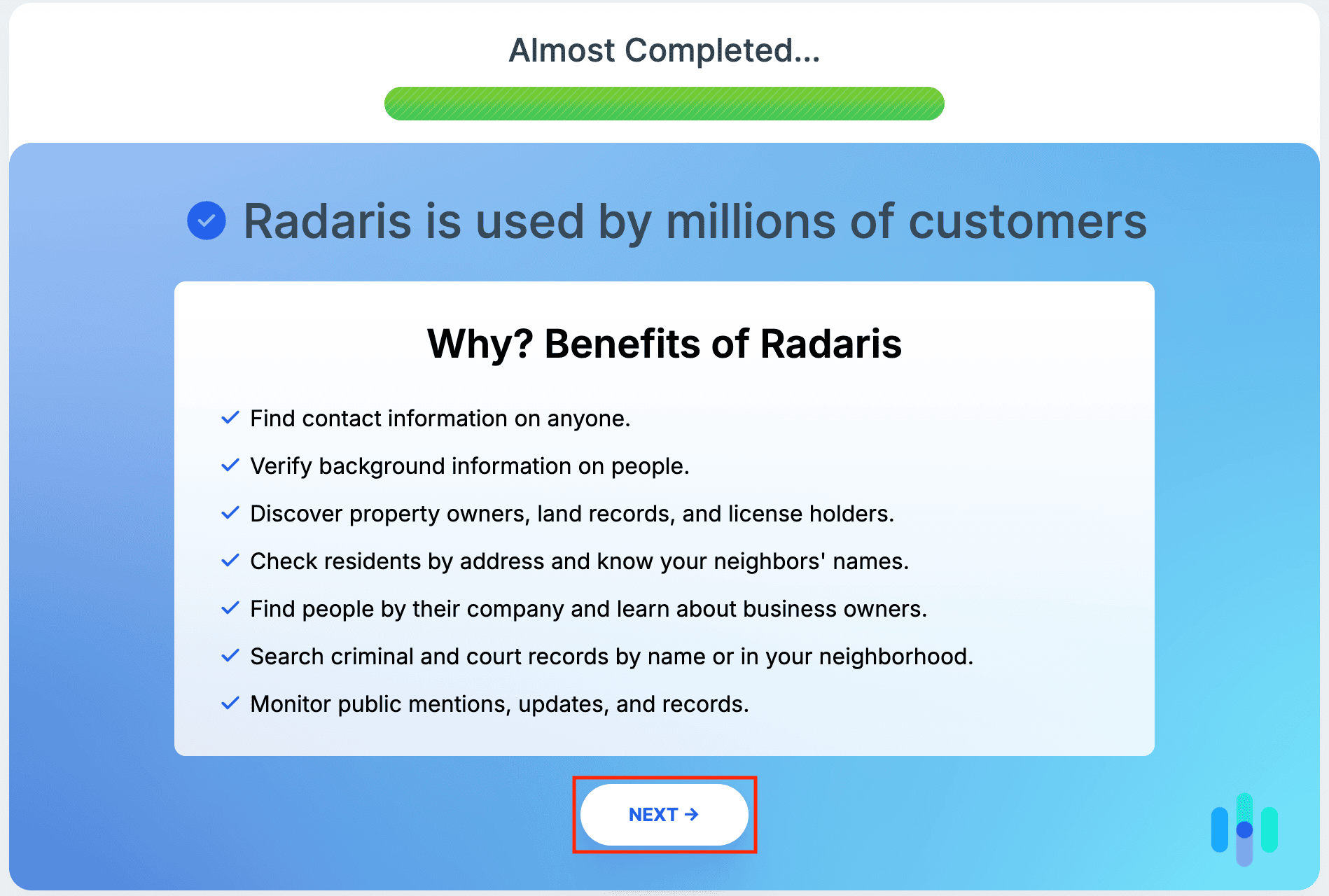
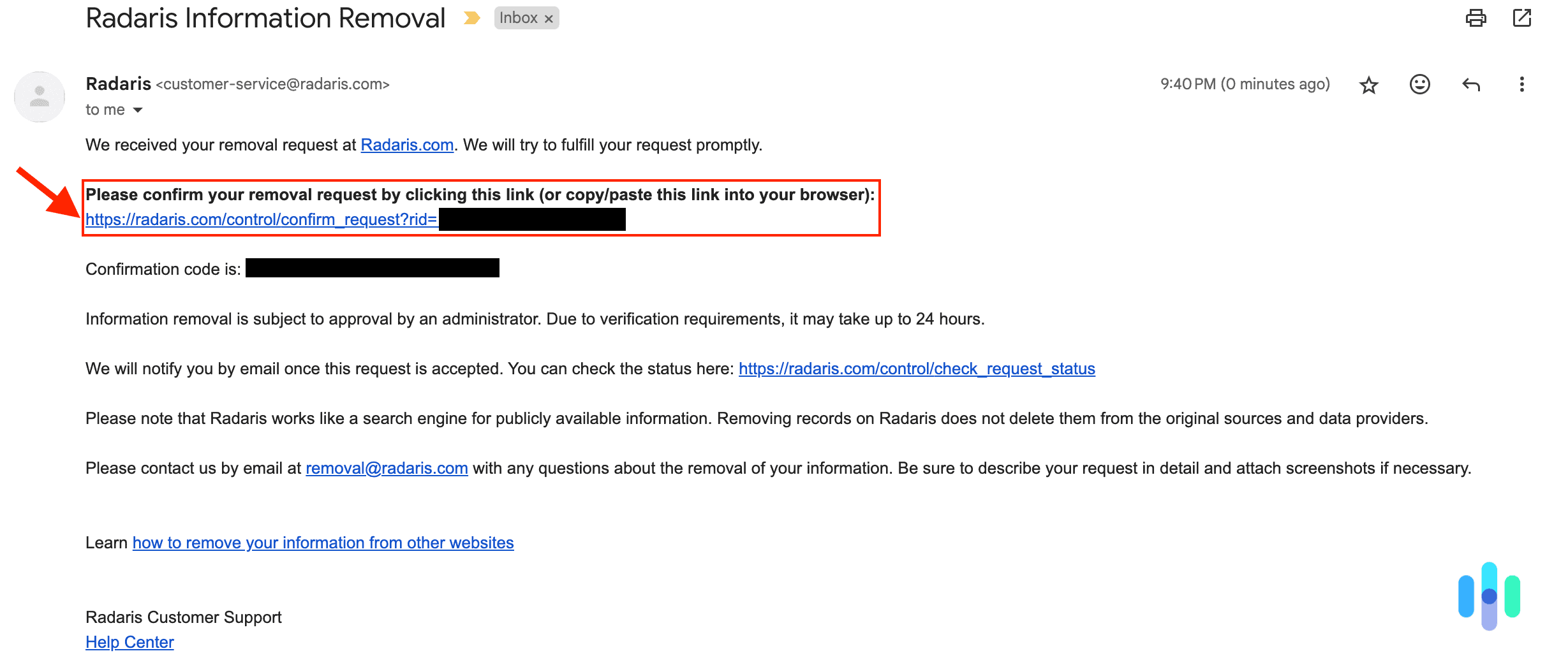 10. We’re almost there — hang in there. After clicking the confirmation link, you’ll land on this final page. Wait for the loading bar to finish, then click “Next.”
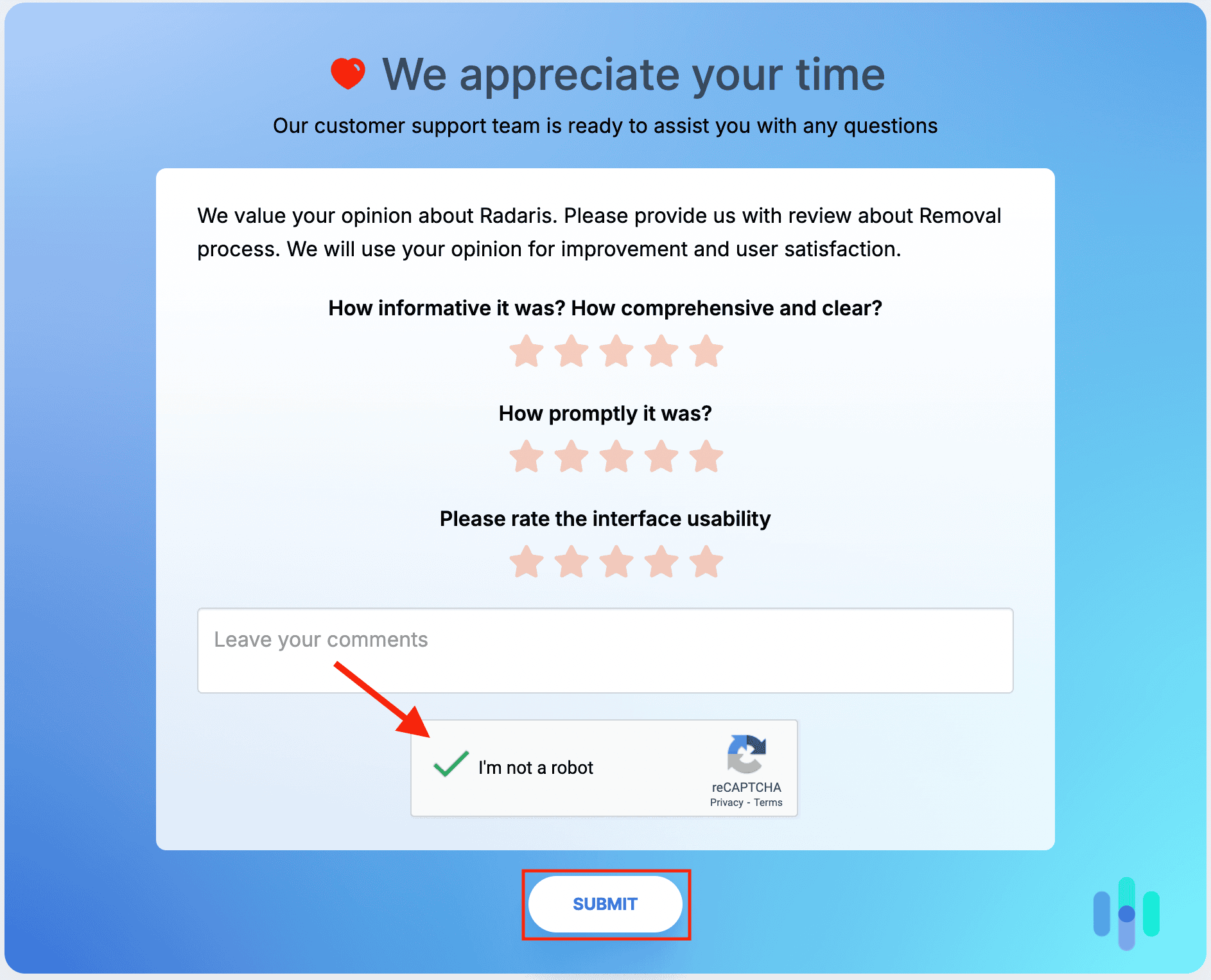
 11. This is your last step. To ensure your opt-out request goes through, confirm you’re not a robot, then click “Submit” one final time.
 12. You’ll know your request went through when you see this final confirmation message.
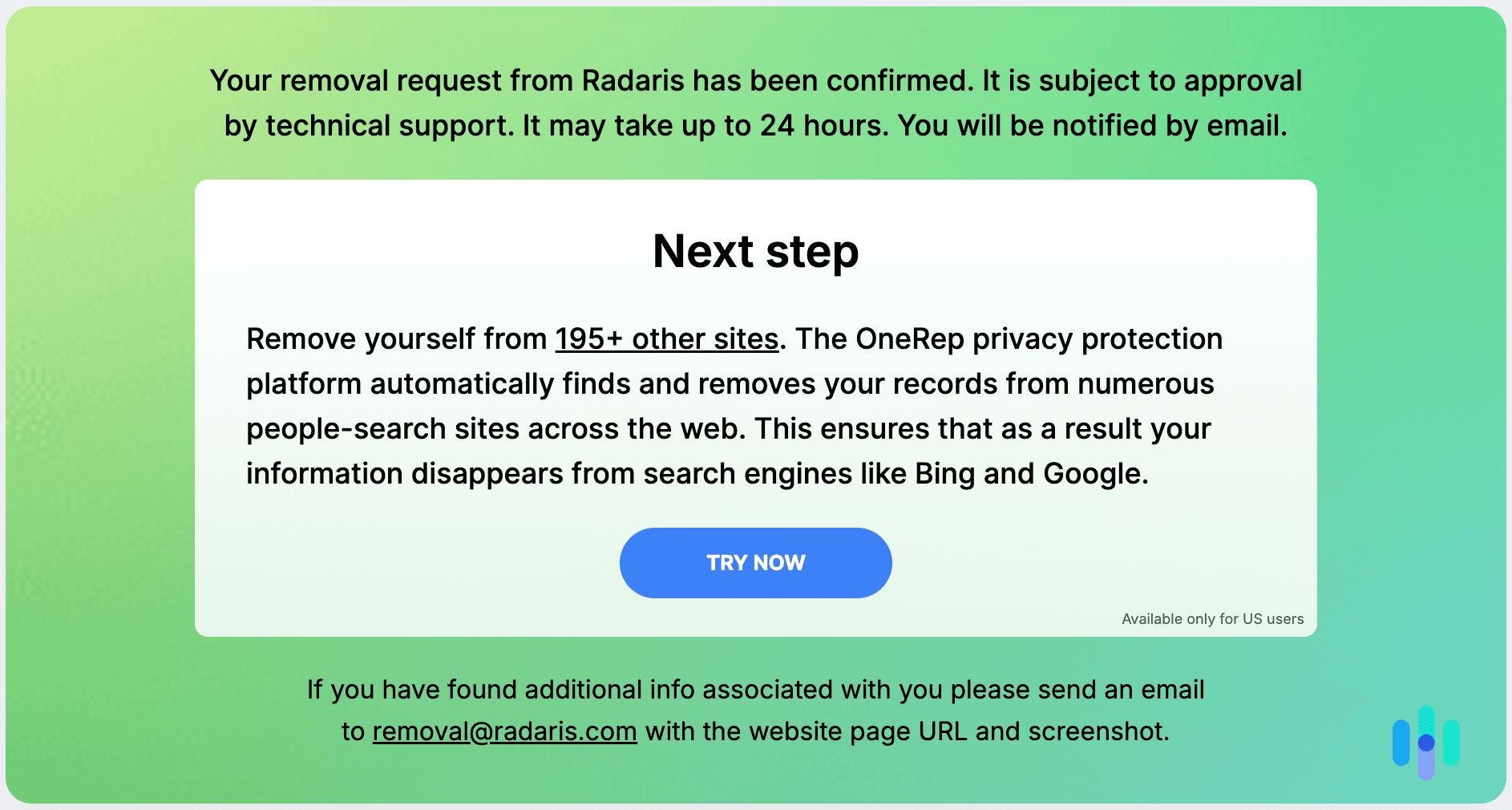 13. Keep an eye on your inbox to make sure Radaris doesn’t request additional information to finalize your opt-out. It’s also worth noting that this removal request is “subject to approval.”
Pro Tip: You can use a VPN to keep your data private and off of broker sites. Read our VPN comparison article to find the best fit for you.
>> Up Next: How to Remove Your Data from LexisNexis
Use a Data-Removal Service to Opt Out of Radaris
If you’re like us and prefer efficiency when protecting your data, this might be your best option. Using a data-removal service like Optery to handle the Radaris opt-out process is faster and helps minimize your online footprint.
Data-removal services simplify keeping your information off people-search sites by doing the heavy lifting for you. For instance, Incogni by Surfshark will request the removal of your personal information from hundreds of databases on your behalf. As a bonus, Incogni comes bundled with Surfshark VPN. Check out our Surfshark review to see why it’s one of our favorites.
FYI: Considering giving Surfshark Incogni a try? Read our Surfshark price guide to learn more about them and their offerings.
The main downside to data-removal services is that most require a monthly subscription fee. That said, we still recommend these services — Incogni in particular, since it requests data removal from more than 200 data broker sites. Plus, Surfshark made our list of the most affordable VPNs, so it won’t drain your wallet.
Why Should You Opt Out of Radaris?
You may want to opt out of Radaris for many reasons. You might be here because you have privacy concerns, you want to prevent identity theft, you’re interested in maximizing data security, or something else. Either way, we think it’s a fantastic step in the right direction. Taking control of your information and minimizing your online presence is a powerful move.
>> Learn More: Securing Confidential Personal Data Both Online and Offline
As people who take security seriously, we understand the risk that comes along with being overly public with our personal data. Doing so increases the likelihood of getting spammed, scammed, or having your personally identifiable information (PII) stolen. With fraud costing Americans over $12.5 billion in 2024, this risk is real.2 We can go on forever, but to keep it simple, here are some of the top reasons we chose to opt out of Radaris:
- Privacy. When you opt out of any (or preferably multiple) data broker sites, you take a bit more control back over your information. More control over your data means more protection all around.
- Identity theft. This is a big one. When your information is spread across broker sites like Radaris, it makes it easier to become a victim of identity theft. Removing your data ensures you know exactly how, where, when, and why your information is collected and used. Opting out of these databases also minimizes your online presence, which adds another layer of protection against identity theft.
Pro Tip: Data from broker databases can often have way too much information on you, making it easy to become a victim of identity theft. Read our article on identity theft protection to stay informed. Then, consider one of our top-rated identity theft protection services for complete coverage.
- Scams and unsolicited communications. No one actually enjoys spam. Even worse, who wants to get scammed? To keep solicitors out of your inbox and prevent fraudulent activities, opting out of broker sites may be your best bet. It’s one step you can take to prevent being scammed online.
- Peace of mind. Removing your information gives you peace of mind knowing that not just anyone can Google your name and find heaps of information on you. Opting out of data broker sites is especially important if you value your privacy and want to maintain control over your digital footprint.
Wrap Up: How to Opt Out of Radaris
Removing your information from Radaris is an essential step toward taking back control of your sensitive information and data. Not only will this decrease your online visibility, but it will also help prevent you from becoming a victim of fraud, scams, identity theft, and more. It might also decrease all those annoying cold calls and unsolicited emails because your contact information will no longer be public.
Overall, opting out of Radaris — and any data broker site — allows you to mitigate risks associated with strangers knowing too much about you. The opt-out process takes persistence, but it’s manageable when you follow the right steps. We’ve gone through it and laid out every step with detailed screenshots, so that you can easily follow along and protect your privacy.
FAQ
-
How long is the Radaris opt-out process?
Based on our testing, you can expect the opt-out process to take anywhere from 10 to 20 minutes to complete.
-
When will Radaris delete my information?
After you submit your opt-out request, Radaris claims they will make your profile private within a reasonable timeframe. However, Radaris does not provide a specific timeline, and the removal is subject to approval.
-
Is Radaris a legitimate site?
Yes, Radaris is a legitimate data broker website that operates legally in the United States. However, it remains unaccredited by the Better Business Bureau (BBB) with over 250 complaints filed against Radaris.
-
Does Radaris have the right to sell my data?
Yes, Radaris legally collects, aggregates, and sells personal data. Like other data brokers, it operates within the boundaries of current U.S. privacy laws. However, residents in states with comprehensive privacy legislation — such as California, Virginia, Colorado, and Connecticut — have additional rights to request deletion or opt out of data sales.
-
How does Radaris collect my information?
Radaris gathers information from multiple sources, including public records (property records, criminal history, marriage licenses, voter registration), court documents, business licenses, educational and employment history, social media profiles, online directories, commercial databases, and web scraping technologies. The site aggregates this data to create comprehensive individual profiles.