



the security.brief
Water leak detectors can save you thousands in water damage. Find out how to choose the best one for your home and where you should install these smart devices.
Did you know that water damage is one of the most expensive problems homeowners face? Water damage unrelated to weather accounts for around 40 percent of insurance claims.1 What is even more frustrating is that most water damage happens slowly and silently. Even a small leak behind your washing machine or under your sink can cause thousands of dollars in damage before you notice it.
That’s where water leak detectors come in. These simple devices can integrate with home security systems and alert you the moment moisture appears where it shouldn’t. They’re like smoke detectors for water. They won’t prevent the problem, but they’ll catch it early enough that you can actually do something about it. Let’s learn more about this smart device and why you should consider installing one in your home.
>> Check Out: The Best Home Security Systems of 2026
What Is a Water Leak Detector?
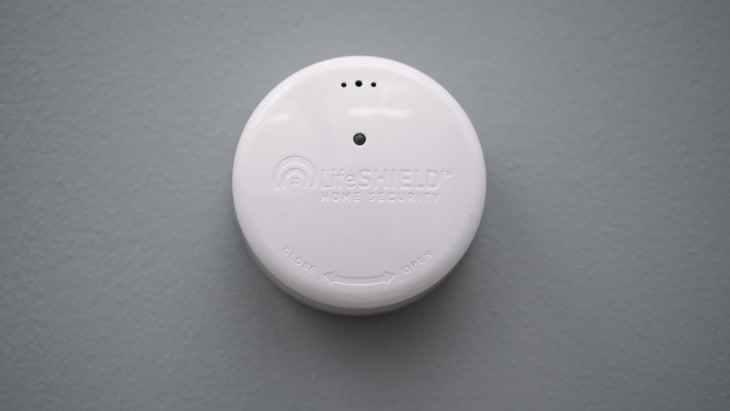
A water leak detector senses water or moisture where it shouldn’t be and alerts you before significant damage occurs. They use sensors that detect water when it touches the device, triggering an alarm or sending a notification to your smartphone.
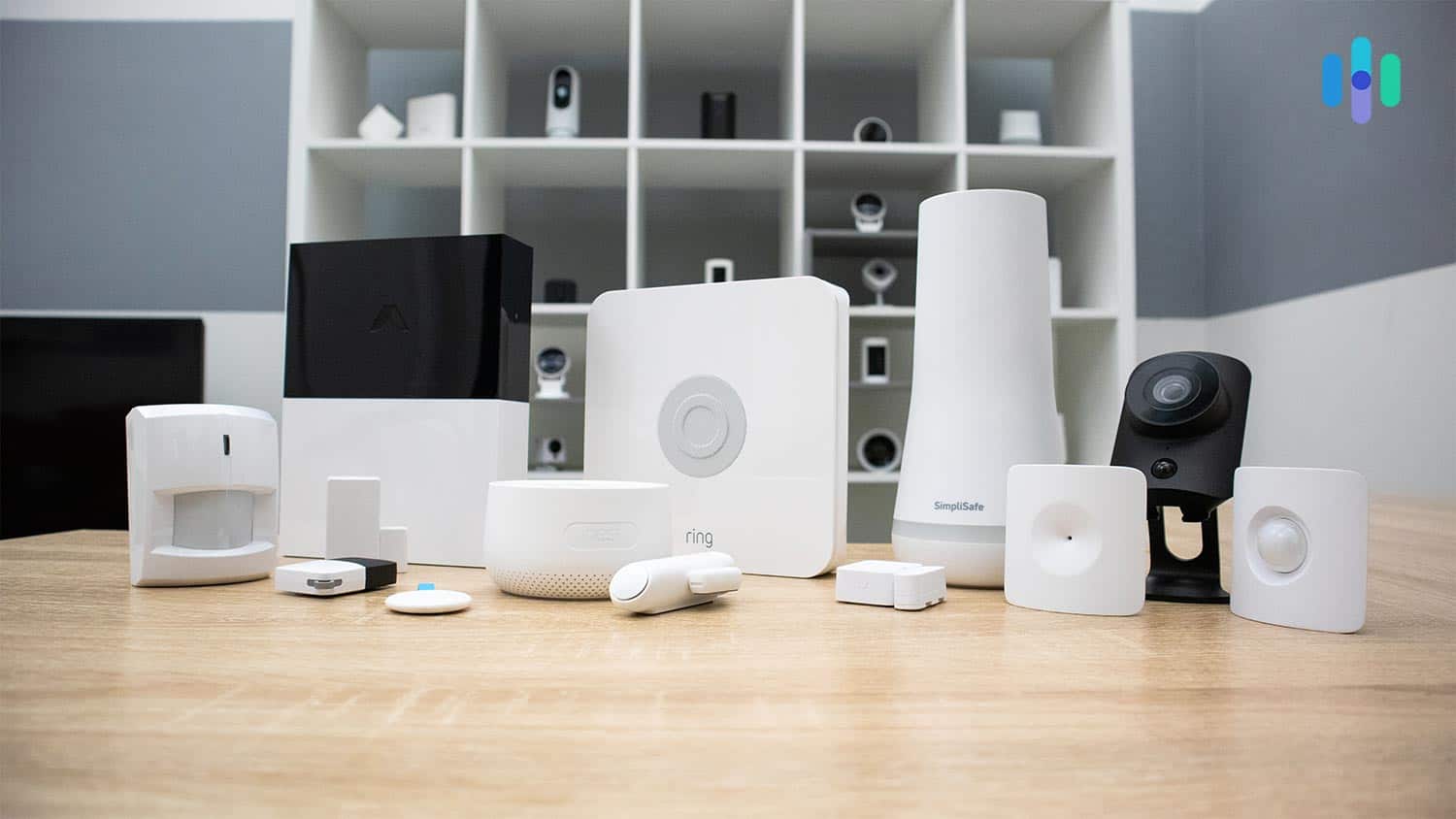
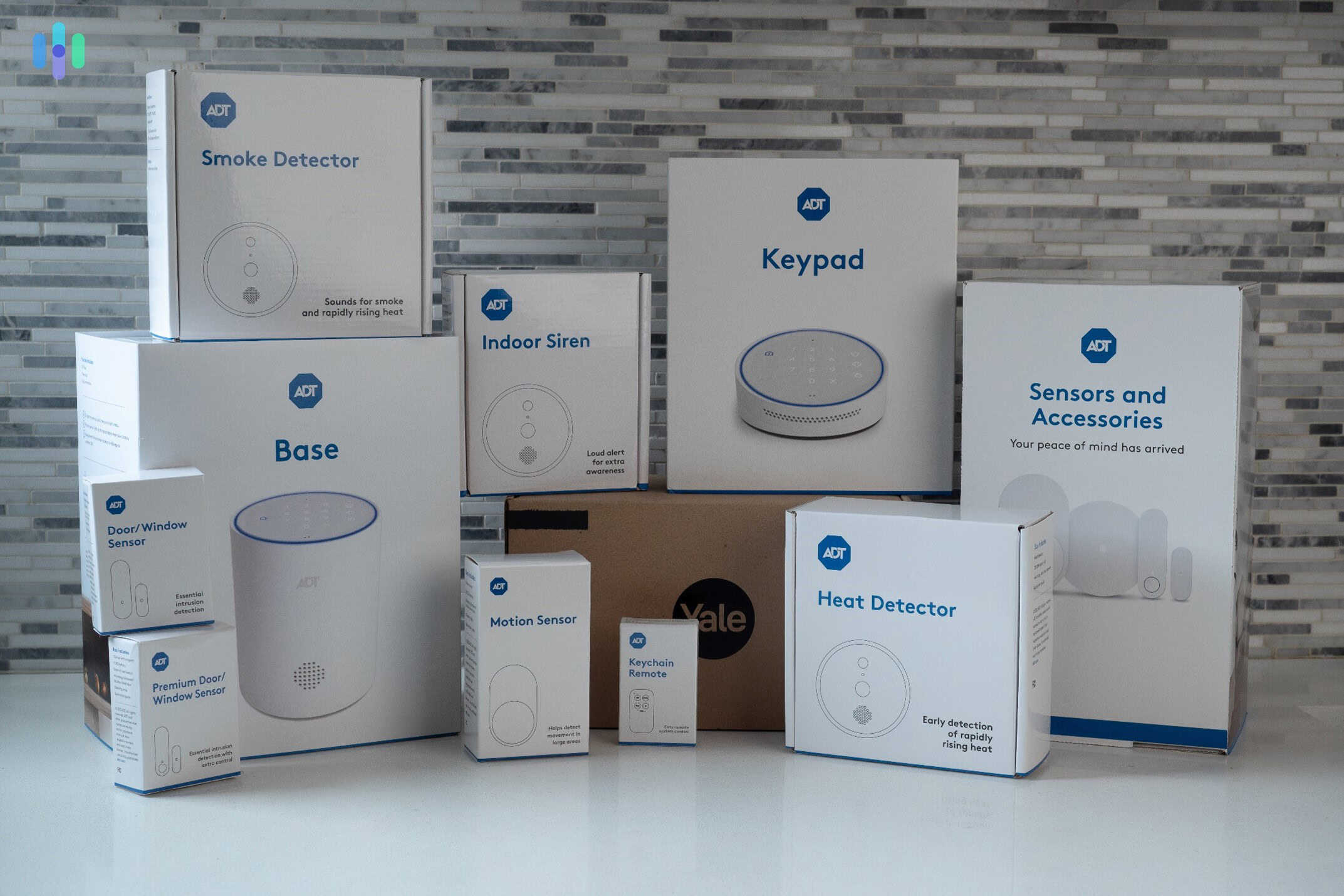
We recommend placing these detectors in leak-prone areas of your home, like bathrooms and laundry rooms. It’s also a good idea to connect water leak detectors to a home security system with professional monitoring. Companies like ADT have packages that offer hazard monitoring. If you miss the alert, someone will call you to let you know what’s happened.
Pro Tip: We recommend placing water leak detectors on the floor near appliances and fixtures since water naturally flows downward and pools in these areas first.
How Water Leak Detectors Work
Most water leak detectors use one of two primary sensing technologies. The first and most common method uses electrical conductivity. Two metal probes sit close together and complete an electrical circuit when water bridges the gap between them. Since water conducts electricity, even a small amount of moisture will trigger the sensor.
The second method uses moisture-sensing cables or pads that detect water along their entire length rather than just at a single point. These are particularly useful for monitoring larger areas or unusual spaces where water might accumulate.
The Alert System
Once a water leak detector senses moisture, it needs to let you know. Basic models sound a loud alarm, typically around 85 decibels. That’s about as loud as a garbage disposal. Smart water leak detectors go further by connecting to your home’s Wi-Fi network or home security system and sending notifications directly to your smartphone, even when you’re not home.
You’ll even find that some premium systems connect to smart home platforms like Amazon Alexa, Google Home, or Apple HomeKit. This helps you incorporate leak detection into broader home automation routines.

Types of Water Leak Detectors
As we’ve touched on, there are different kinds of water leak detectors that suit all types of homes and budgets. Here’s a breakdown of the most common models.
Standalone Alarm Detectors
Standalone water leak detectors are the simplest and most affordable option. They typically cost between $15 and $50, operate on battery power, and sound a local alarm when they detect water. The downside is that you have to be home close enough to hear the alarm. This means a leak might go unnoticed if you’re at work or on vacation.
Smart Wi-Fi Leak Detectors
Smart detectors range from $50 to $150 and connect to your home’s Wi-Fi network or home security system. They send alerts to your smartphone regardless of where you are. We’ve even seen some models offer extra features like temperature monitoring (to prevent frozen pipes), battery life notifications, and integration with other smart home devices.
>> Keep Reading: The Best Smart Home Security Systems of 2026
Whole-Home Leak Detection Systems
These comprehensive security systems can cost anywhere from $500 to over $1,500. They are usually professionally installed and monitor your entire home’s water flow. We’ve found setups that can automatically shut off your main water supply when they detect unusual patterns that suggest a leak. While they offer a lot of benefits, we still recommend a full home security system for the best overall protection. They offer better bang for your buck by protecting your home from other hazards beyond water leaks.
FYI: Like ADT, SimpliSafe also offers water leak detectors. SimpliSafe’s device will sound an audible alarm, send notifications to your phone, and alert the monitoring center who will call to bring it to your attention.
Where to Place Your Water Leak Detectors
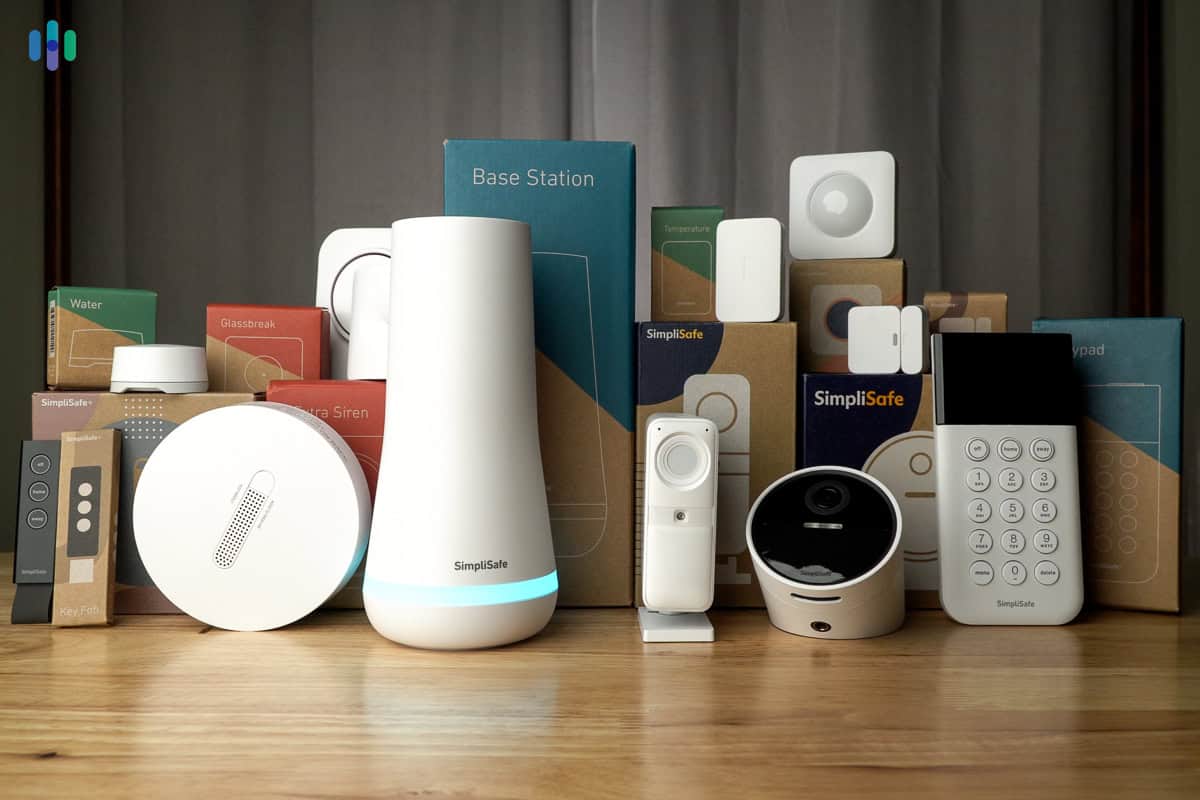
We recommend strategically placing water leak detectors to get the most effective protection. Security companies like Vivint offer one of the best professionally installed security systems and will ensure your water sensor is in the right spot. If you prefer DIY security systems, these are the locations we recommend:
- Under sinks: Both kitchen and bathroom sinks are common leak sources due to aging supply lines and drain connections
- Near water heaters: Water heater failures can release 30 to 50 gallons of water in minutes
- Behind washing machines: Supply hoses can burst and drain connections can fail or overflow
- Near toilets: Wax ring failures and supply line issues make toilet areas high-risk zones
- In basements and crawl spaces: These areas are prone to groundwater seepage and foundation leaks
- Under refrigerators with ice makers: Supply line connections can loosen or crack over time
- Near sump pumps: Pump failures during heavy rain can lead to significant flooding
>> Compare: DIY Vs. Professionally Installed Security Systems
Coverage Strategy
We don’t think you need a detector in every possible location. That can get expensive and isn’t practical for most people. Instead, focus on the areas with the highest risk and most potential damage. A typical home should have at least three to five detectors positioned in the most vulnerable areas.
Benefits of Installing Water Leak Detectors
The benefit of water leak detectors is obvious. They help you catch leaks early, preventing extensive and expensive damage. They offer benefits beyond simply preventing damage.
Financial Protection
Repairing a clear water leak from an appliance or broken pipe can cost anywhere between $1,000 and $6,000.2 These numbers make a strong case for spending around $100 on a detector.
Insurance Benefits
Some insurance companies offer discounts between 5 and 10 percent when you install water leak detection systems. Discounts can be bigger for whole-home systems that automatically shut off the water. We recommend checking with your insurer about available discounts before buying a water leak detector.
Peace of Mind
Beyond the financial benefits, we’ve found that water leak detectors offer genuine peace of mind, especially when we’re traveling. We like receiving an immediate alert if something goes wrong. We can enjoy our vacation without worrying about returning to a flooded home.
>> Check Out: What to Do if Your Home is Flooded
Choosing the Right Water Leak Detector
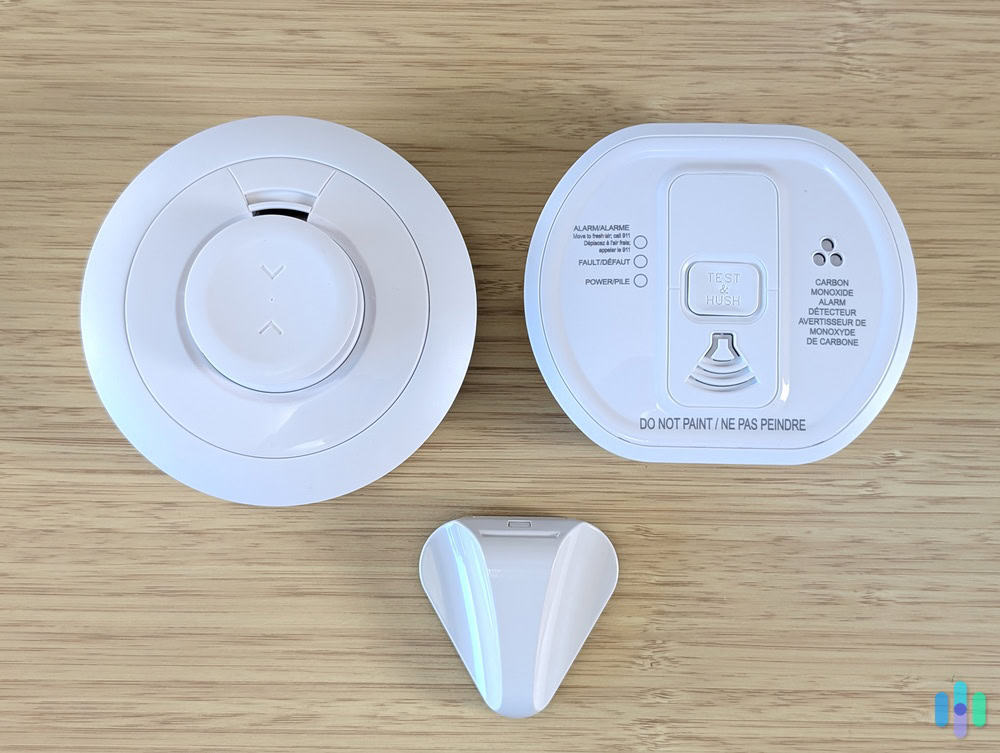
Choosing the best water leak detector depends on your specific needs, budget, and home setup. If you’re home most of the time and have a limited budget, basic detectors are fine for essential areas. If you travel regularly or own a vacation property, we think smart detectors with remote monitoring capabilities are worth the extra investment.
Key Features to Consider
When shopping around for water leak detectors, we recommend looking for these features:
- Battery life (look for units with at least one year of battery life)
- Alert volume (85 decibels or louder)
- App quality
- Reliability for smart models
- Integration with existing smart home systems
- Temperature monitoring for freeze prevention
- Warranty coverage
We also suggest thinking about your home security system needs and how water leak detectors integrate with them. These setups cost significantly more but offer the ultimate protection, especially when you’re not home.
| Feature | Basic Detectors | Smart Detectors | Home Security Systems |
|---|---|---|---|
| Price Range | $15-$50 | $50-$150 | $500-$1,500+ |
| Remote Alerts | No | Yes | Yes |
| Automatic Shutoff | No | No | Yes |
| Best For | Budget-conscious homeowners who are usually home | Homeowners looking for convenience and remote monitoring | Homeowners needing protection beyond water leaks |
Wrap Up: Should You Invest in Water Leak Detectors?
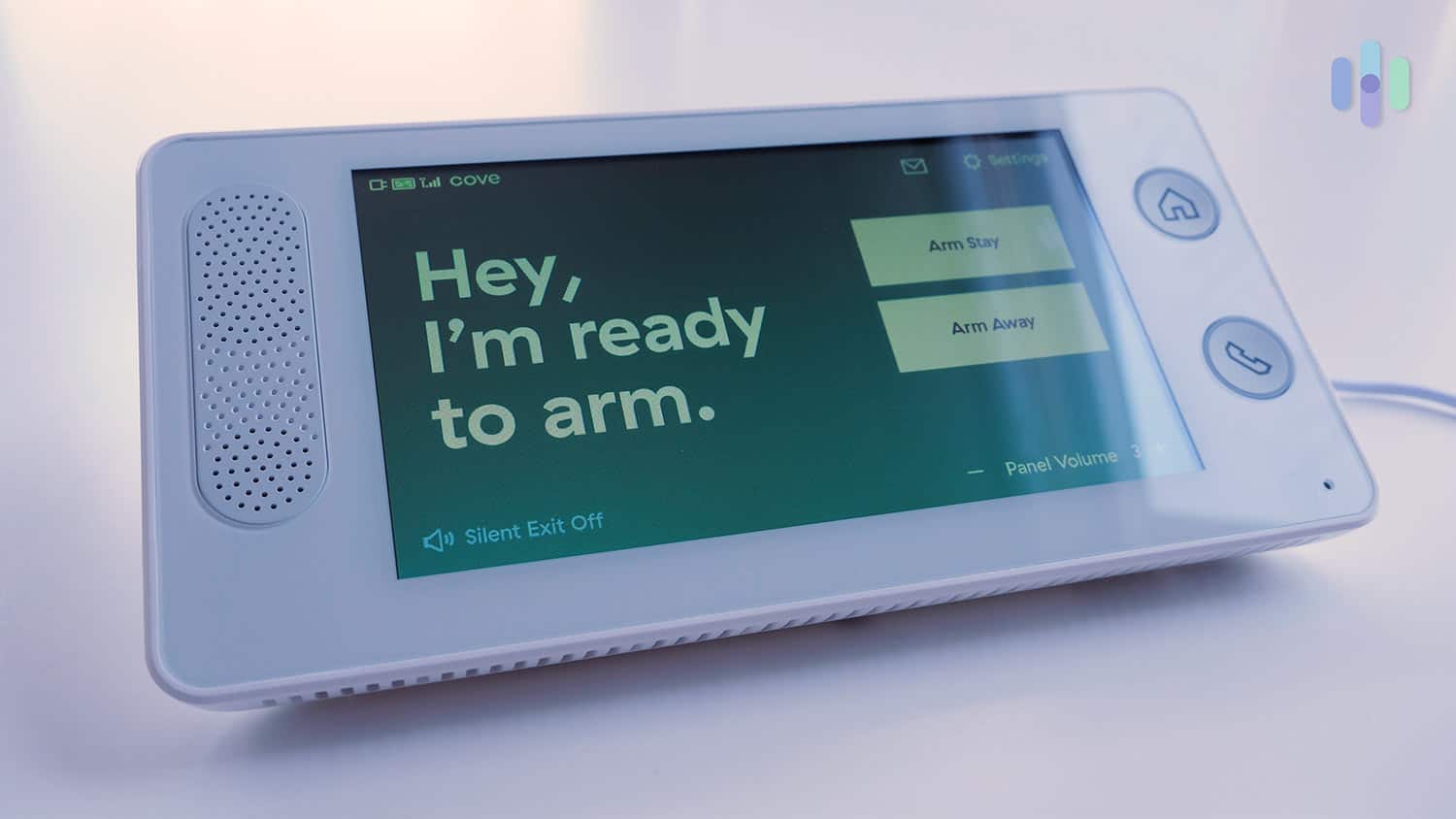
When we tested Cove’s home security system, we learned that the water leak detector also alerts you when temperatures drop below 41 degrees Fahrenheit.
Water leak detectors are one of the smartest, most cost-effective investments you can make to protect your home. For less than a single water damage insurance deductible, you can install multiple detectors and get early alerts about problems that could cost thousands to fix.
Whether you choose basic alarm-only units, smart Wi-Fi-connected detectors, or a home security system, the important thing is to have some form of leak detection in place. We recommend starting with the highest-risk areas of your home, like under sinks, near water heaters, and behind washing machines. From there, you can expand your coverage as your budget allows. It will pay for itself the first time one of these devices catches a leak before it becomes a disaster.
Frequently Asked Questions
-
How long do water leak detector batteries last?
Most water leak detectors use standard batteries that last between one and three years, depending on the model and usage. Many smart models send a low-battery alert before the battery runs out.
-
Can water leak detectors prevent frozen pipes?
Water leak detectors don’t prevent frozen pipes, but many smart models include temperature sensors that alert you when temperatures drop to freezing levels. This gives you time to take preventive action, like letting faucets drip or adjusting your thermostat.
-
Will water leak detectors work during a power outage?
Battery-powered water leak detectors will continue working during power outages since they don’t rely on electrical outlets. Some smart detectors can’t send notifications if your Wi-Fi router loses power unless you have a battery backup.
-
How sensitive are water leak detectors?
Most good water leak detectors can sense as little as 1/32 inch of water. They still need direct contact with water, so they won’t detect moisture inside walls or ceilings until water reaches the detector’s location.
-
Do I need professional installation for water leak detectors?
Simple water leak detectors don’t require professional installation. You can place them in the desired location and insert batteries. Whole-home systems that connect to your main water line usually need professional installation by a licensed plumber. Home security systems offer DIY and professional installed options.
-
Can water leak detectors detect humidity or condensation?
Standard water leak detectors detect standing water, not airborne moisture or condensation. If you need to monitor humidity levels, you’ll want a separate hygrometer or a smart detector with humidity-sensing capabilities.