
Best Identity Theft Protection Services Against AI Threats in 2026
Our experts and testers determined that LifeLock offers the best protection against modern AI identity threats.
 Last Updated on Sep 08, 2026
- Offers deepfake detection that can flag AI-generated video content in real time
- Safe Call and Safe Email features catch phishing attempts that bypass conventional spam filters
- Fictitious identity monitoring scans for names and addresses tied to your SSN, targeting synthetic identity fraud

- Cyber extortion insurance up to $50,000 — a coverage type most competitors don’t specifically underwrite
- Up to $2 million in identity theft recovery insurance, active from the moment you subscribe
- Dark web monitoring that, in our testing, caught a phone number leak most other services missed

- Dark web monitoring covers over 260 types of personal data, helping catch AI-synthesized credentials
- AI detection infrastructure processes over 10 billion data points per day
- Offers AI spam call protection as an add-on that automatically blocks suspicious calls
the security.brief
We tested the top identity protection services to find the best AI-threat protection. LifeLock led with its deepfake detection, followed by Coveron and Aura.
AI has fundamentally changed the identity theft landscape. Fraudsters no longer need a stolen wallet or a hacked database — they only need a 30-second voice sample, a few publicly available photos, and the right AI tools. From there, they can impersonate you in voice and video calls with a surprising degree of accuracy. This enables Deepfake-assisted account takeover, voice clone scams, AI-generated phishing, and synthetic identity fraud, just to name a few.
Not every identity theft protection service is built to handle this type of AI-powered fraud. It requires specific detection capabilities that standard identity and credit monitoring traditionally doesn’t cover. That’s why we tested the leading identity theft protection services to find out which ones offer adequate protection to thwart AI identity threats. Let’s dig in to find out which service is best for you.
The Best Identity Theft Protection Services for AI-Based Threats
- LifeLock - Best Advanced AI Threat Detection
- Coveron - Best Cyber Extortion Protection
- Aura - Best Dark Web Monitoring
- McAfee Identity Theft Protection - Best Affordable Protection
Our Top Picks at a Glance
| System |
LifeLock
|
Coveron
|
Aura
|
McAfee Identity Theft Protection

|
|---|---|---|---|---|
| Ranking | 1st | 2nd | 3rd | 4th |
| Ratings | 9.8/10 | 9.7/10 | 9.6/10 | 8.6/10 |
| Best For | Advanced AI Threat Detection | Cyber Extortion Protection | Dark Web Monitoring | Affordable Protection w/ Basic AI Threat Detection |
| AI-Specific Features | Deepfake detection, AI scam call/email screening, fictitious identity monitoring | None published — insurance-based coverage for AI-enabled extortion (deepfake/voice-clone blackmail) rather than AI detection tooling | AI-driven dark web scans, real-time fraud alerts, AI phishing/call protection | AI-powered scam detection, dark web monitoring, phishing site blocking |
| Price | Starting at $8.33 per month | Starting at $2.99/mo (2-yr) | Starting at $9 per month | Starting at $2.50 per month |
| Read Review | LifeLock Review | Coveron Review | Aura Review | McAfee Identity Theft Protection Review |
-
1. LifeLock - Best Advanced AI Threat Detection

Product Specs
Dark Web Monitoring Yes Credit Reporting Yes Insurance Coverage Up to $3 million Free Trial 30-day Individual Monthly Plans $12.49 and up Family Monthly Plans $47.99 and up What We Like
- Deepfake detection capabilities helps keep you safe from AI phishing attempts
- Fictitious identity monitoring can detect AI-powered synthetic identity fraud
- Premium plans offer up to $3 million of identity theft protection insurance
- Financial monitoring looks for anomalies consistent with AI-based attacks
What We Don’t Like
- Premium bundles are expensive at up to $74.99 per month for families
- Choosing a plan with the protections you need can get confusing
- Core subscription does not include scam reimbursement
- Bundles with Norton 360 require two apps to use all features
Where LifeLock Stands Out

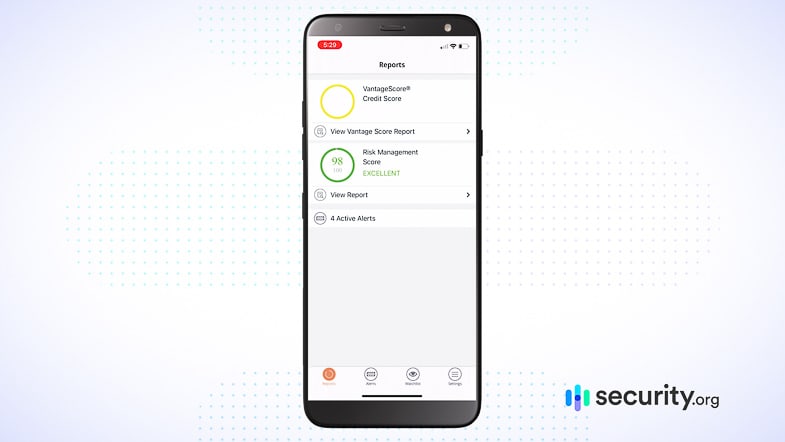
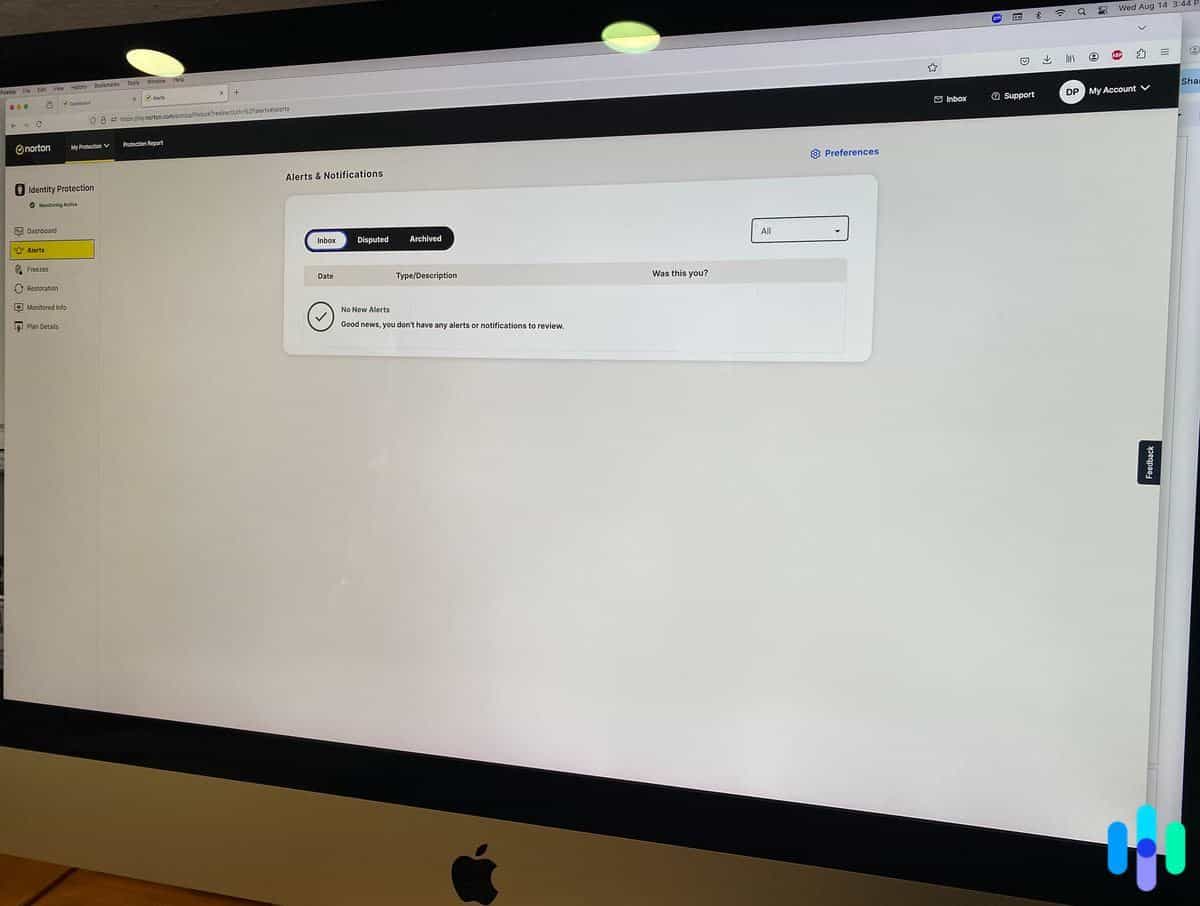
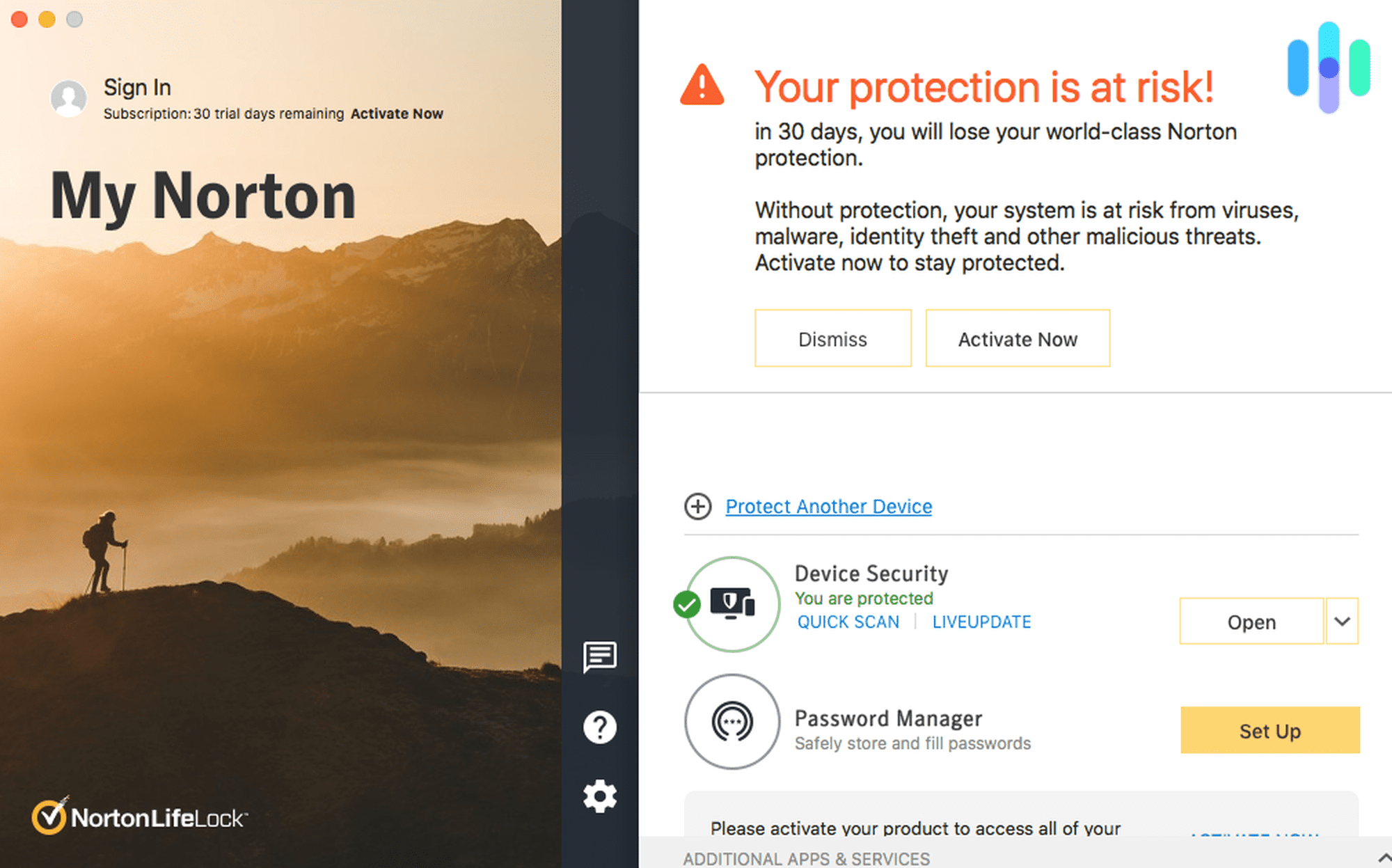
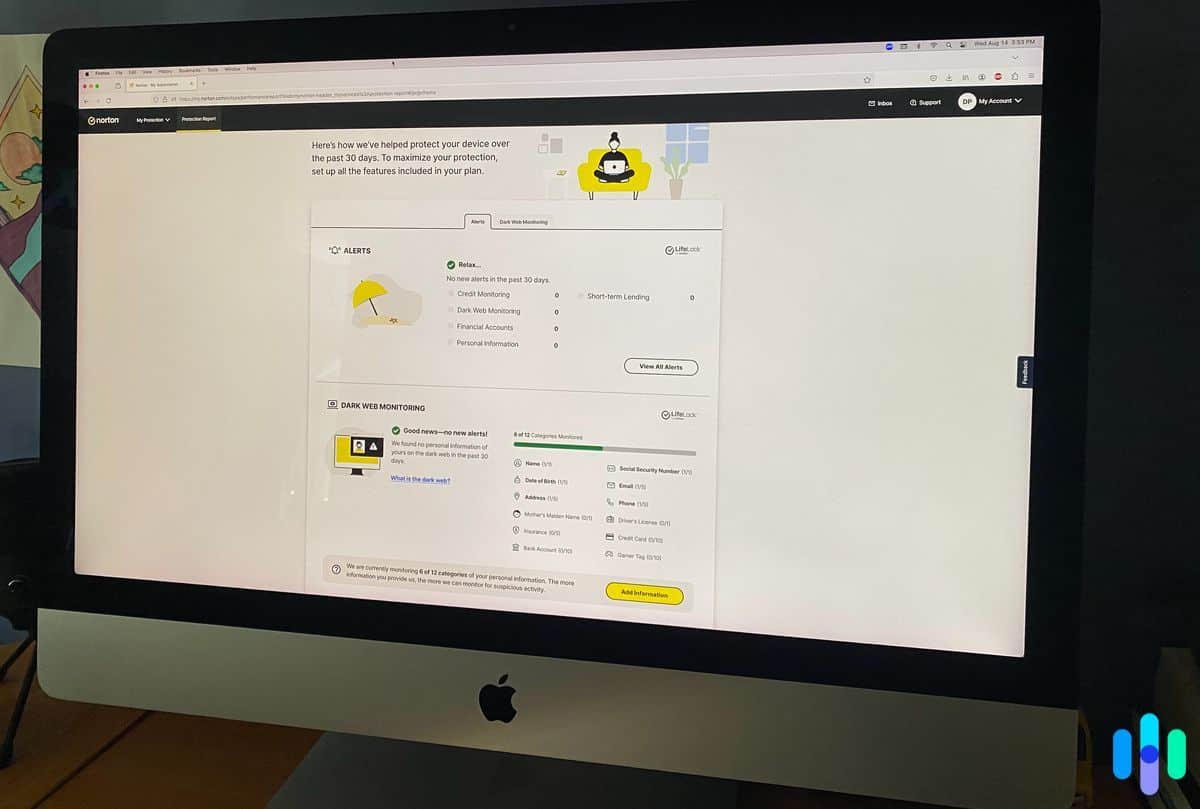
LifeLock’s Protection Report kept us abreast to the latest AI-based identity threats Among the identity theft protection services we tested, LifeLock offers the most AI-specific feature set. These protections stem from a collaboration with Norton 360. Where most competitors monitor for the consequences of identity theft after the fact, LifeLock has added proactive detection at the entry points AI attacks exploit.
For instance, the deepfake detection feature flags AI-generated video content in real time. In theory, it warns users before they could act on potentially fraudulent and manipulative videos. It can even detect deepfaked video calls. Just note that it’s currently only available on Windows.
They also offer Safe Call and Safe Email features. These allow you to report suspected scam phone calls and emails to Norton for further review. They use an AI-based assessment to identify phishing attempts that bypass conventional spam filters by mimicking legitimate contacts.
While not only for AI threats, the fictitious identity monitoring feature is also noteworthy. It’s LifeLock’s direct response to synthetic identity fraud which frequently involves AI. This feature scans for names and addresses associated with your Social Security number that don’t match your own records — the signature pattern of a synthetic identity being built around your SSN.
Why Pick LifeLock
LifeLock is the only consumer identity protection service we tested that addresses deepfake fraud, voice clone scams, AI phishing, and synthetic identity fraud under a single subscription. We recommend it to users whose primary concern is AI-powered identity threats rather than traditional credit fraud.
That said, it’s worth noting that the most AI-relevant features — including deepfake detection, Safe Call, and Safe Email — all require a LifeLock plan that bundles Norton 360. Make sure to account for that when budgeting for your subscription if AI-threat detection is the priority. Check out our Norton 360 review to see what other capabilities these bundles include.
-
2. Coveron - Best Cyber Extortion Protection
 Get Coveron Links to Coveron
Product Specs
Dark Web Monitoring Yes Credit Reporting Yes (Full Protection tier only) Insurance Coverage Up to $2 million Free Trial None — 30-day money-back guarantee Individual Monthly Plans $2.99 and up (2-year plan) Family Monthly Plans $15.99 and up (2-year Couple plan)
What We Like
- Identity theft insurance up to $2 million, active from the moment you subscribe
- Dedicated identity restoration case manager with a straightforward claims process
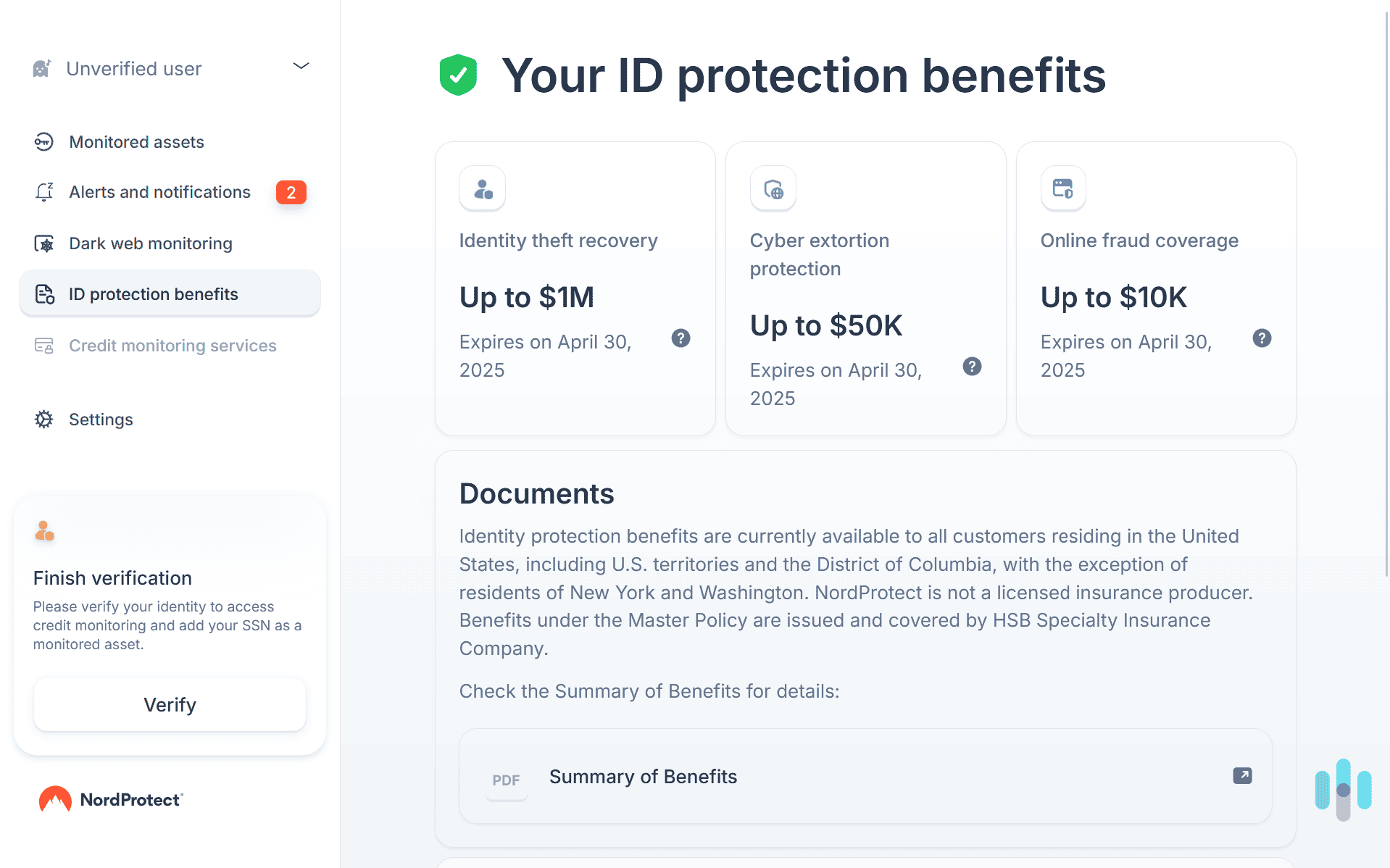
- Cyber extortion insurance up to $50,000 — a coverage type few competitors specifically offer
- Full Protection plan bundles NordVPN, next-gen antivirus, and Incogni data removal starting at $8.99/month (2-year)
What We Don’t Like
- Limited to credit score monitoring rather than full three-bureau credit reports (only TransUnion offers a full report)
- Not available to residents of New York
- $100 deductible applies per incident before insurance coverage kicks in
- On family plans, the $2 million insurance limit is shared across the whole household, and children get dark web monitoring only, not full protection
Where Coveron Stands Out

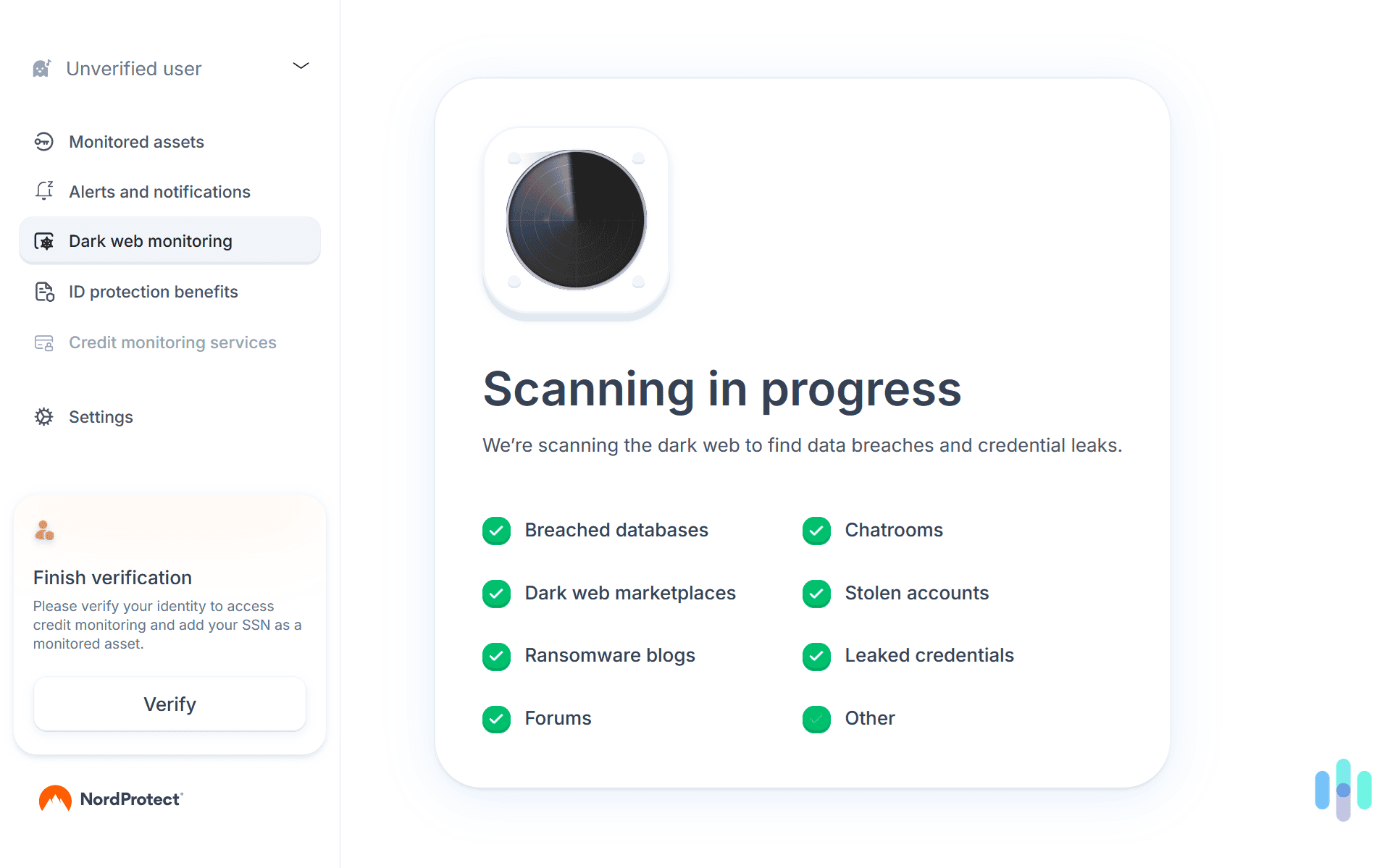
Coveron breaks down the insurance we have available if our identity were stolen. Coveron’s angle on AI-era threats is financial backstop rather than AI-detection tooling. Its cyber extortion insurance (up to $50,000, on Identity Theft Protection and Full Protection plans) covers a growing risk category — deepfake- and voice-clone-based blackmail — that most competitors on this list don’t specifically underwrite. In our nearly two months testing Coveron, its dark web monitoring also outperformed some competitors, catching a phone number leak that Surfshark Alert’s scan missed, though it caps monitoring at five email addresses, phone numbers, and cards per account.
Why Pick Coveron
Coveron earned a 9.5/10 SecurityScore in our testing, driven largely by its insurance value: $2 million in identity theft recovery plus separate, itemized coverage for cyber extortion, online fraud, and home title fraud, starting at $2.99/month on a 2-year plan. If your primary AI-threat concern is extortion-based rather than account-takeover fraud, Coveron’s insurance-first approach fills a gap that LifeLock’s and Aura’s AI-detection tools don’t directly address — though setup wasn’t flawless in our testing (we hit an identity-verification snag tied to being connected through a VPN). -
3. Aura - Best Dark Web Monitoring

Product Specs
Dark Web Monitoring Yes Credit Reporting Yes Insurance Coverage Up to $1 million Free Trial 14-day Individual Monthly Plans $12 Family Monthly Plans $32 What We Like
- All identity theft protection plans include the same core features
- Expansive dark web monitoring helps identify AI-synthesized credentials before they’re exploited
- AI detection infrastructure processes over 10 billion data points per day
- Real-time financial alerts help you minimize losses by flagging suspicious activity early
What We Don’t Like
- Limited tools specifically designed to defend against AI-based attacks
- LifeLock’s Norton 360 bundle includes a more capable antivirus
- Apps can feel overwhelming with the amount of features included
- AI spam call protection requires an additional fee
Where Aura Stands Out

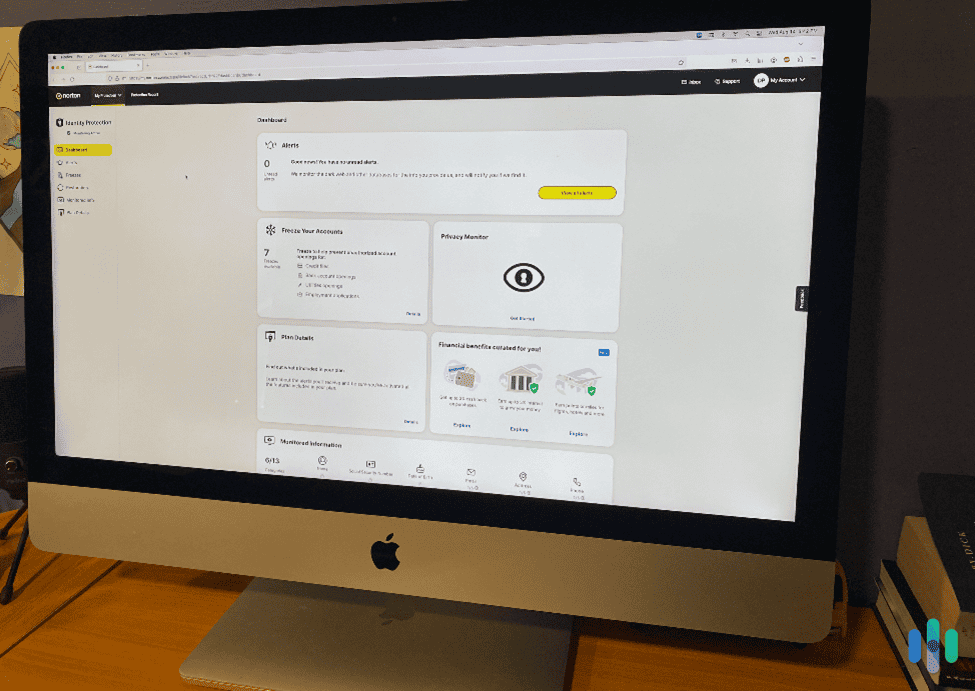
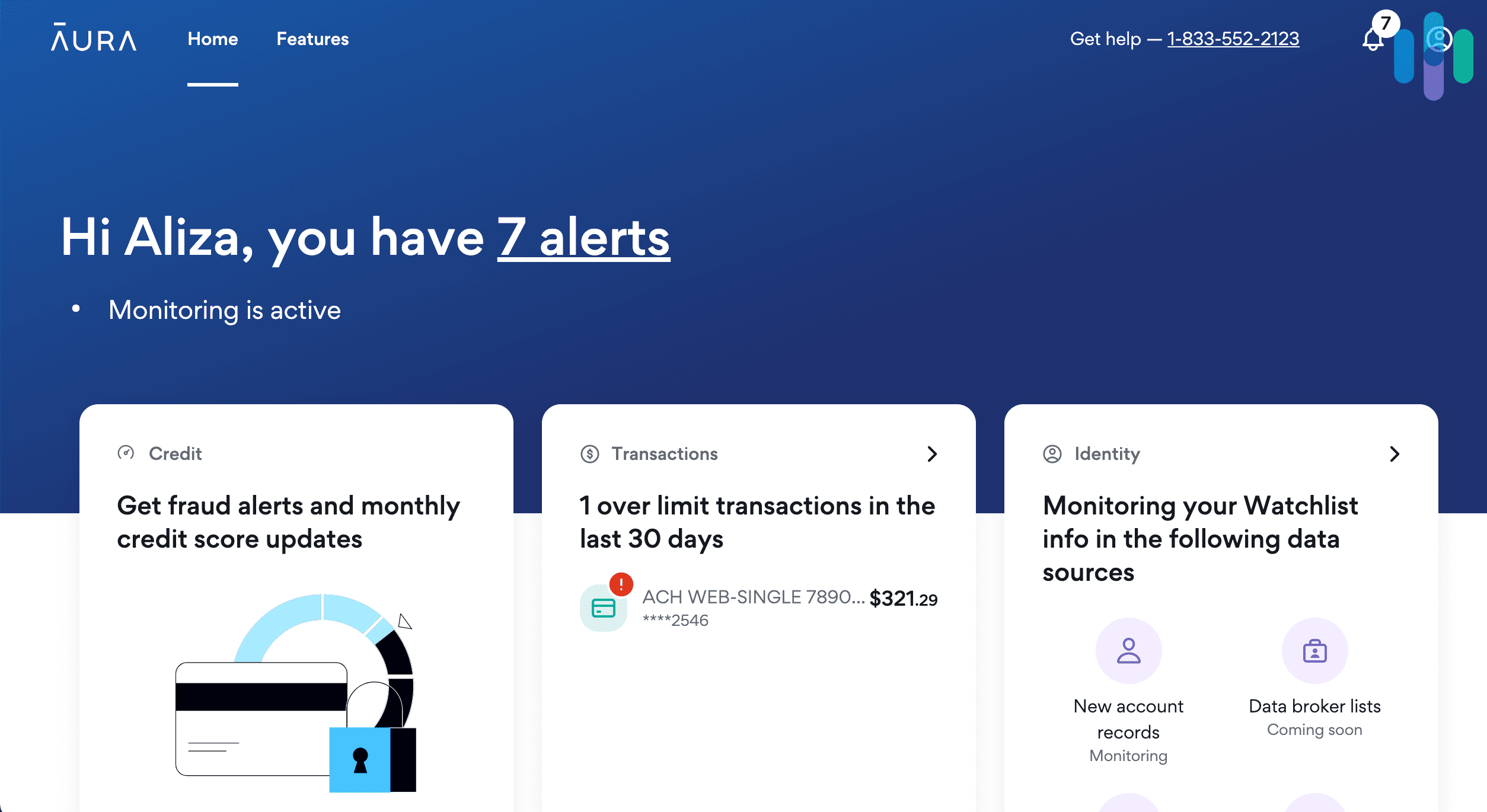
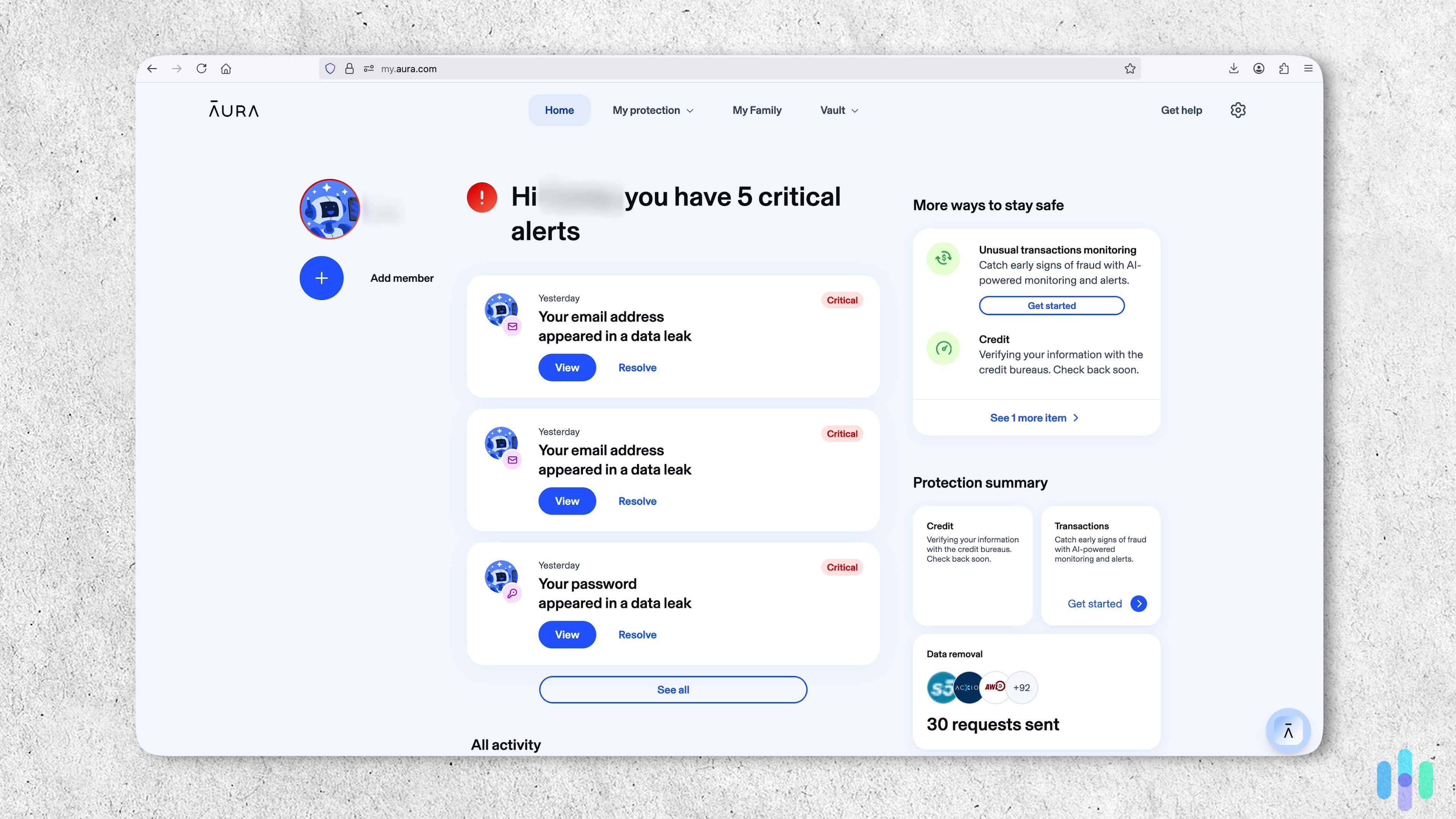
Aura’s comprehensive dark web monitoring found our information in leaks missed by other services Aura’s clearest competitive advantage is the depth of its dark web monitoring. It monitors the broadest range of personal information, including everything from your SSN to your gamertag. This matters in the context of AI fraud, because seemingly erroneous data points can be used to create AI-synthesized identities that appear real. The more data used, the more convincing the identity appears. Detecting this data on the dark web allows you to respond quickly before it’s sold or misused.
On top of its advanced dark web monitoring, Aura also offers innovative AI spam call protections. This is similar to LifeLock’s Safe Call feature, except it automatically blocks suspicious calls instead of requiring that you request a review. Although we like this feature, it’s only available as an add-on to Aura’s base plans instead of included in any package. Most users won’t even realize it’s an available feature. Head over to our LifeLock vs. Aura comparison if you can’t decide between the two.
Why Pick Aura
Aura is a strong choice for users who prioritize monitoring coverage and speed, particularly dark web surveillance. While it trails LifeLock on proactive AI-specific interception tools — for instance, it has no dedicated deepfake detection — Aura’s monitoring is best-in-class.
Expert Insight: Most Aura plans are only available to people in the U.S. The only exception is for Canadians who can still access Aura antivirus. Find out if that’s enough protection for you in our Aura antivirus review.
-
4. McAfee Identity Theft Protection - Best Affordable Protection
 View Plans Links To McAfee
Product Specs
Dark Web Monitoring Yes Credit Reporting No Insurance Coverage Up to $1 million Free Trial 30-day Individual Monthly Plans $7.50 and up Family Monthly Plans $10 and up
What We Like
- Affordable plans starting at $2.50 per month
- All subscriptions include deepfake video detection
- Scans the dark web for over 60 types of personal data
- Easy-to-use app lets you access all features
What We Don’t Like
- Identity theft insurance only included in mid-tier plan and above
- Plans are only available on an annual basis; no month-to-month subscriptions
- Significant price hike on renewal
- Most identity protection features require that you enroll in auto-renew
Where McAfee Stands Out

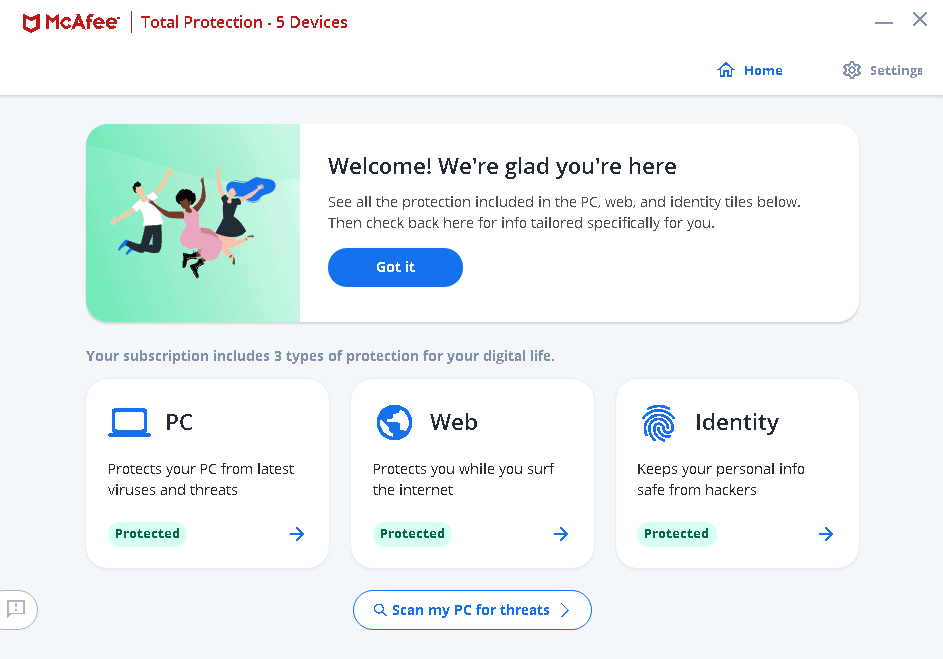
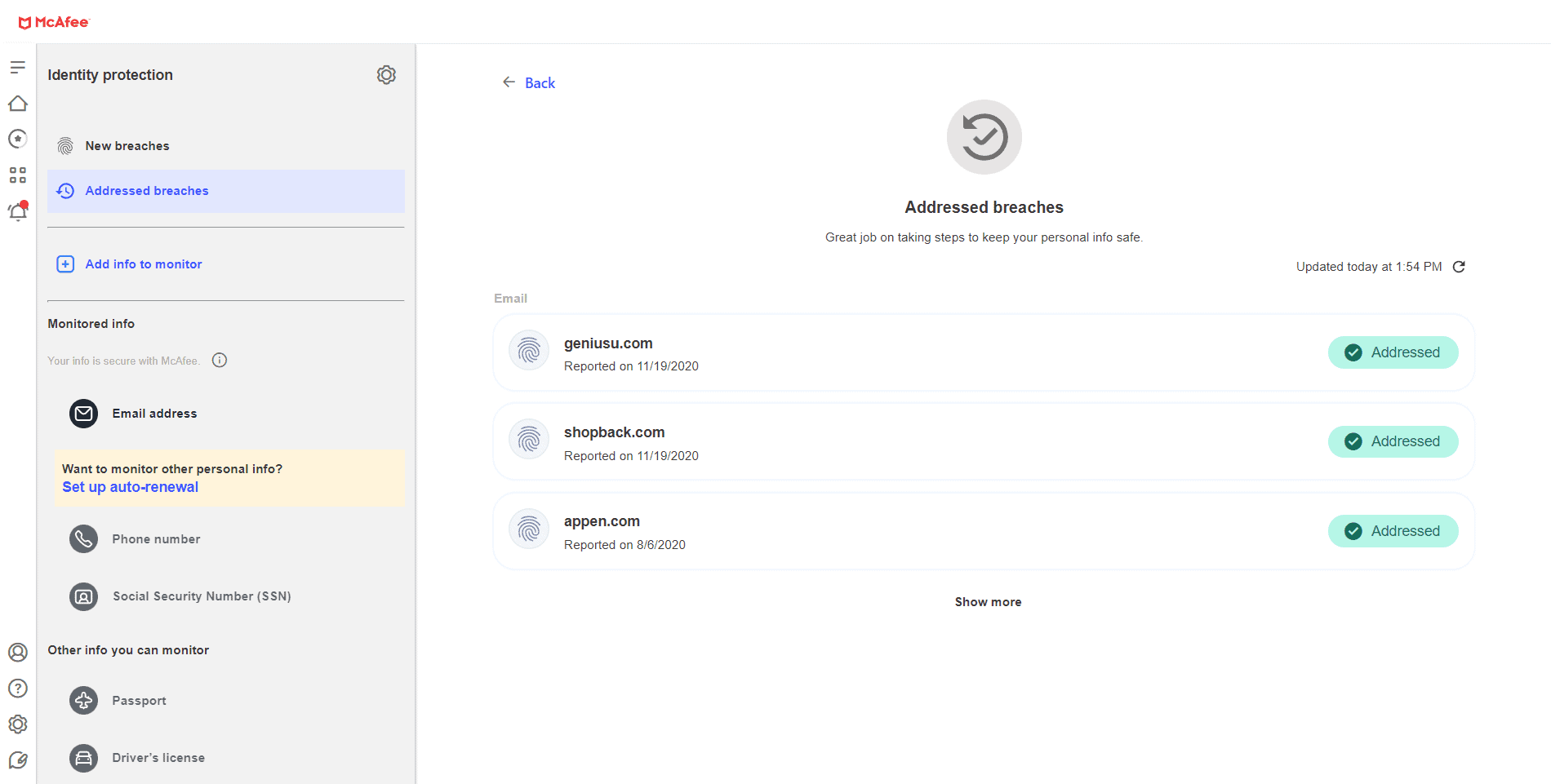
While testing McAfee, the breach dashboard helped us secure exposed data used for AI identity fraud McAfee’s affordable plans that bundle device security — antivirus, VPN, and password manager — and AI threat detection earned it a place on this list. That’s a similar amount of device security as what we saw from the Norton 360 with LifeLock bundles, except at a much lower price point. We found the AI threat detection impressive, too. It helps protect you against phishing sites, scam calls, and suspicious text messages with intelligent warnings. Select plan tiers also include deepfake audio detection to protect you against AI impersonation scams.
As for McAfee’s overall identity monitoring, it’s competent but not exactly on the same level as LifeLock or Aura. It only offers industry standard features like credit and SSN monitoring with dark web scanning. What really differentiates it, in our opinion, is the bundled value: device and identity protection at a price you can typically only get one or the other. However, it lacks the white-glove restoration services of LifeLock and Aura which kept it off our list of the best identity restoration services.
Why Pick McAfee
McAfee is the right pick if you’re budget-conscious but want AI fraud detection capabilities alongside device security. It doesn’t match LifeLock’s depth on AI threat detection or Aura’s broad identity protection, but it covers the most common AI attack vectors at a lower cost.
>> Read More: McAfee vs. Norton Antivirus
Side-by-Side: AI Threat Features Compared
To highlight the differences between how these three services protect your identity against AI threats, here’s a direct comparison of their AI threat prevention features:
| Feature | LifeLock (Norton) | Coveron | Aura | McAfee+ |
|---|---|---|---|---|
| Deepfake video detection | With Norton bundles | Not available | Not available | Only audio detection in some plans |
| AI scam call screening | With Norton bundles through Safe Call | Not available | Available as an add-on | Only for text messages |
| AI phishing / email detection | With Norton bundles through Safe Email | Not available | Available as an add-on | Yes |
| Synthetic / fictitious identity monitoring | Dedicated feature | Not specified | Included in base identity monitoring | SSN monitoring only |
| Dark web monitoring breadth | Specifics not advertized | Monitors up to 5 email addresses, phone numbers, and credit/debit cards | Monitors over 260 types of personal data | Monitors over 60 types of personal data |
| Three-bureau credit monitoring | Included in Advanced and Total tiers | Included in Full Protection tier only (Identity Theft Protection tier = 1-bureau) | Included in all paid plans | Only in premium tier |
| Identity theft insurance | Up to $3M (Total tier) | Up to $2M (Identity Theft Protection and Full Protection tiers) | Up to $1M per adult | Up to $2M per adult |
| Device security bundle option | Available with Norton 360 bundle | Available with Full Protection tier (NordVPN, next-gen antivirus) | All plans include device security features | All plans include device security features |
| Data broker removal | Scans and submits removals once every 90 days | Included in Full Protection tier via Incogni (1,000+ sites) | Scans and submits removals to over 200 sites | Included in Advanced and Ultimate plans for over 40 sites |
Using this table, you can clearly see the different priorities of each service. We recommend assessing your most likely vulnerabilities and then picking a service that best protects you in those areas.
>> Learn About: 2026 Guide to Preventing Synthetic Identity Theft
Our Testing Process: How We Selected the Best Identity Theft Protection Services for AI Threats
Our Review Guidelines
Some identity theft protection services offer better safeguards than others, and our job is to find the ones that actually hold up. Our testers enroll in and evaluate every service firsthand over a minimum of four weeks. We test each service’s credit monitoring coverage, restoration team’s responsiveness and real-time alert delivery speeds. Our team also evaluates each provider’s dark web scan depth, identity theft insurance amounts, bank and investment account monitoring depth and speed, app usability and push notification speed, and the quality and breadth of bundled tools such as VPNs and antivirus.
After completing our assessment of features, we weigh each service’s monthly and annual costs across individual and family plans, what each plan adds at higher price points, and free trial availability and cancellation terms. This ensures the best identity theft protection services we highlight deliver genuine identity protection when it matters most, in line with our Editorial Guidelines.
Our Testing Criteria
Standard identity protection evaluations focus on credit monitoring speed, dark web coverage, and insurance limits. For this guide, we applied an AI-specific evaluation framework — scoring each service on the criteria that matter specifically for AI-powered identity fraud.
- AI Phishing Alert Quality: Does the service’s phishing detection go beyond URL blacklists to identify AI-generated message patterns, deepfake video or cloned-voices? How are alerts delivered?
- Synthetic Identity Detection Scope: How specifically does the service scan for fictitious identities built around your SSN? What are the documented limitations?
- Dark Web Monitoring: Does dark web scanning cover emerging credential markets and AI-generated identity packages, not just legacy breach databases?
- Real-Time Monitoring Response: How quickly does the service surface alerts for new account activity, credit inquiries, and SSN usage? Independent testing data where available.
Using these criteria, we’re able to accurately assess how each service specifically handles AI-based identity threats.
>> Check Out: 2026 Guide to Identity Theft Insurance
About Our Experts
Our testing team that makes identity protection recommendations is overseen by Cort Honey. He is a privacy and identity protection specialist with over a decade of experience evaluating identity theft protection services, VPNs, and digital privacy tools from enrollment to long-term use.
Cort’s rigorous testing standards drive how we approach every recommendation on this page.
He is backed by an independent team of security experts at Security.org that is composed of more than 20 security and privacy researchers. They have collectively clocked over 25,000 hours reviewing security products since 2018, producing 740+ reviews cited by major outlets including The New York Times, TechRadar, and CBS News.
The specific team members who helped Cort with this guide includes:
- Brett Cruz: Cybersecurity expert with deep experience testing VPN and digital security tools, contributing expertise across digital security tools and privacy software as a contributor
- Ozzie Enriquez: West Point graduate and former Deputy Director of Security at the Missile Defense Agency, U.S. Pentagon who contributes expertise in federal security operations and digital risk assessment as a lead advisor
- Gene Petrino: Retired S.W.A.T. commander and former law enforcement sergeant with three decades of law enforcement and security expertise acting as a lead advisor
- Matthew Adkins: Researcher with a doctorate with a track record of testing and ranking 100+ security and privacy products
Our recommendations are never affected by advertiser relationships or affiliate compensation.
Final Thoughts: Do You Need Protection Against AI Identity Threats?
As AI continues to develop and improve, the AI-based identity threats of today are only projected to become more convincing every year. Honestly, they’re already good enough to fool most people not actively on the lookout for AI. That’s why choosing an identity theft protection service that includes AI-based threat protection is so important. However, we do not recommend choosing a service solely based on its protections against AI threats as more traditional forms of identity theft are still more common.