




the security.brief
Learn the warning signs to look out for to prevent criminal identity theft, and what steps to take if your information is ever stolen.
Most cases of identity theft revolve around someone using your information to steal money by taking out loans in your name or collecting benefits meant for you. That’s not the only type of identity theft, though. Criminal identity theft involves someone using your identity to escape the consequences of their actions. The results can be just as devastating, even if it is one of the types of identity theft that’s not as prominent as other imposter scams.1
Our identity protection experts took a closer look into this unique form of identity theft to understand how it occurs and learn the best ways you can protect yourself. We’ll cover everything from identity theft protection services to checking for suspicious tickets with your local police department.
>> Learn About: How to Compare Identity Theft Protection Services in 2026
Key Findings
- Criminal identity theft accounts for a small share of all identity theft reports filed with the FTC each year.
- Keeping driving and vehicle documentation in a secure location can help prevent criminal identity theft.
- You can spot signs of criminal identity theft in your credit score by looking at criteria like unpaid tickets or fines.
- Clearing your name after becoming a criminal identity theft victim can be challenging. Identity theft protection services can provide that support.
What is Criminal Identity Theft?
Criminal identity theft means someone uses your identity when they get caught committing a crime. This puts you on the hook for someone else’s unlawful behavior. That means the next time you get stopped for speeding, the officer could come to your window with an arrest warrant.
Here’s how criminal identity theft works. Once someone gets your personal information, they can use it when they get pulled over or stopped for a crime. They give the police all of your information and show them fraudulent documents that look real. Since they have your details, the documents pass the police’s initial check.
>> Read More: Securing Confidential Personal Data Both Online and Offline

What Law Makes Identity Theft a Crime?
To explain why all identity theft is technically criminal, let’s look at the laws that make it illegal. Identity theft is a federal crime, meaning it’s illegal no matter where it occurs as long as it’s on U.S. soil. That’s due to a law called the Identity Theft and Assumption Deterrence Act (ITADA) of 1998.2
What surprised us in our research was that before 1998, there weren’t any specific laws against identity theft. Instead, it was punished under various anti-fraud laws. There was no mandate for restitution either, meaning the victims were left without help.
The ITADA allowed judges to include compensation to the victim as part of the sentence. In the case of criminal identity theft, the restitution can include compensation for your time spent recovering your identity.
Pro Tip: Even though there are laws against identity theft that can help you get restitution, we’d prefer never having to deal with it in the first place. That’s why we created a 2026 guide to identity theft protection. It’s the same one we use to keep our families safe.
Protecting Yourself Against Criminal Identity Theft
Not sure which service to use to protect your identity? When it comes to monitoring for criminal identity theft, these are three we think are the best to start with. All offer strong identity monitoring, which helps in catching if your personal information ends up in court and criminal records.


Consequences of Criminal Identity Theft
Normally, we think of the consequences of identity theft as damage to our credit score or funds being stolen from our bank accounts. While that’s not the main consequence of criminal identity theft, it can still impact your credit score. Unpaid tickets show up as debt on your credit report and as missed payments, depending on how long ago the ticket was issued.
That’s far from the only consequence, though. Here’s an overview of the potential impacts of criminal identity theft:
- Failed background check. If someone gives your information after getting caught committing a crime, that criminal history goes on your record.
- Arrest warrant. Additionally, an arrest warrant for you could go out if the crime is serious enough. If that happens, you will have to clear your name and establish your factual innocence in court.
- Unpaid fines and tickets. A ding on your credit score could be the least of your worries due to unpaid fines and tickets. With enough of these on your record from criminal identity theft, your car could end up impounded over unpaid tickets.
- Contempt of court charges. If a court sentences whoever is using your identity to house arrest, parole, or any other type of court order, and that person then disobeys the order, the resulting contempt of court charge would end up on your record.
How to Prevent Criminal Identity Theft
To prevent criminal identity theft, the best place to start is by protecting your personal information. That’s the same starting point we took in our guide to protecting yourself from identity theft.
We can tailor this approach specifically to preventing criminal identity theft. Here’s how:
- Store your car paperwork securely. We store a lot of documents with our information in our car, like our registration. We recommend putting it all in the glove box and then locking it to ensure it’s secure.
- Keep car insurance private. Never share your car insurance unless you need to for an accident. Someone could use it fraudulently.
- Dispose of expired licenses and identity documents. When your license expires and you get a new one, shred the old one. That way, someone can’t dig it out of the trash and try to use it themselves.
- Maintain digital security. To keep electronic devices secure, use top antivirus software. That can help keep you safe from malware that could expose your personal information. We also recommend connecting to the internet through one of our favorite VPNs when entering any personal information on websites.
- Use an identity theft protection service. All of our favorite identity theft protection services offer comprehensive monitoring services. This monitors the main places your information could show up, like the dark web and people search sites, before an identity theft attempt occurs.
>> Read About: A Guide to Protecting Personal Data after Losing Your Mobile Device
FYI: Do the words antivirus and VPN make your head spin? Don’t worry, we’ve got you covered! We made a guide to personal digital security and online safety telling you exactly what you need to do to stay safe against today’s digital threats.
Criminal Identity Theft Warning Signs
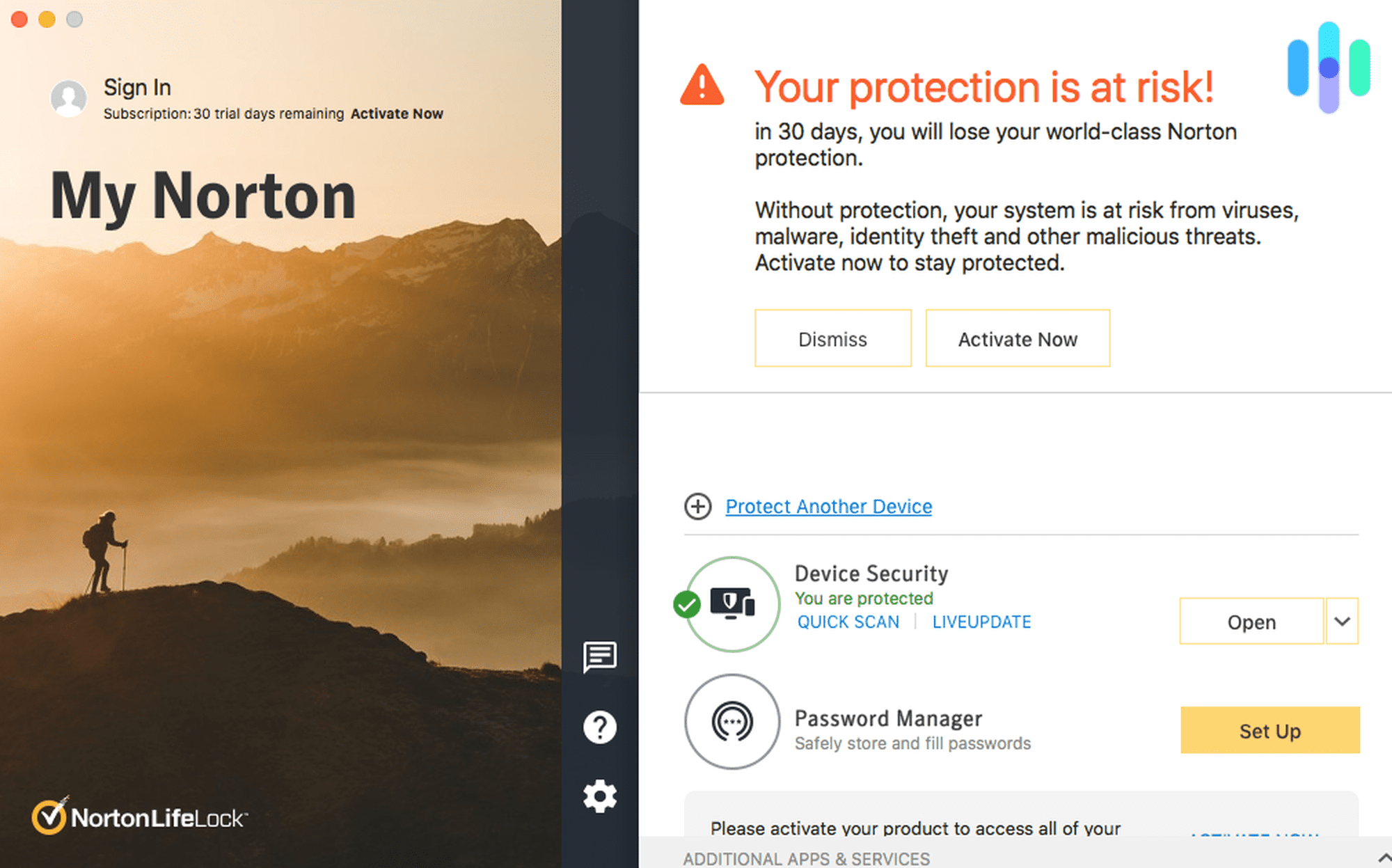
LifeLock sends warning alerts when it detects that personal information is potentially being misused.
There are some unique warning signs of criminal identity theft. To get ahead of the criminals, watch out for these:
- Parking tickets you didn’t receive. Most municipalities have online portals where you can check for parking tickets. Check your local and state government for tickets every six months or so.
- Court Notice to Appear (NTA). When someone commits a crime and goes to trial for it, the court issues a notice to appear. This document mandates that the perpetrator show up for their court date. If you receive one for a crime unrelated to you, it could be due to criminal identity theft.
- Credit score drop due to unpaid tickets or fines. Our favorite credit protection services can detect any impacts to your credit score caused by unpaid tickets or fines. When that happens, make sure the ticket is your ticket. Otherwise, it could be someone else using your identity.
- Your name in court records. Someone using your identity when they get caught committing a crime will cause your name to show up in court records that are unrelated to you.
How to Clear Your Name After Criminal Identity Theft
Clearing your name after criminal identity theft is different from dealing with traditional identity theft. There are some similarities, like reporting the incident, though. These are the most important steps to take if you are a victim of criminal identity theft:
- Notify your identity theft protection service. As soon as you notice any signs of identity theft, report it to your identity theft protection service immediately.
- Start a recovery plan. Your identity theft protection service should help you create a recovery plan. If you don’t have identity theft protection, you can go to IdentityTheft.gov for government-provided assistance in creating a recovery plan.3 You’ll have to do more of the legwork though.
- Contact the agency with jurisdiction. You need to get in contact with whichever agency is investigating the crime and press charges related to your criminal identity theft incident. They’ll work with you to verify that your identity was stolen and that you are not responsible for crimes committed using your stolen identity.
- File an identity theft report. On IdentityTheft.gov, you can file an identity theft report. You would have already filed a report if you used the website to create your recovery plan. Filing a report creates a record of the incident, giving you proof that your identity was stolen
- Consult a lawyer. Depending on the severity of the criminal identity theft, you may need the assistance of a lawyer to clear your name. We recommend scheduling consultations immediately so you already have someone ready should you need them.
Did You Know: We rounded up the best identity theft restoration services that can help you get your life back under control no matter what type of incident happens. They also offer monetary coverage for your losses.
Final Thoughts
Although its effects are different from most other forms of identity theft, the consequences of criminal identity theft can be just as, if not more, severe. There are a few extra steps you need to take to prevent it and recover from it as well. Not to mention, the warning signs are almost entirely different from traditional identity theft.
Now that you’re armed with our expert knowledge, you can stay safe from this unique type of identity theft too. We find the best way to stay ahead of threats, though, is with an identity theft protection service. That way, you always receive protection from current threats no matter what next year’s identity theft trends look like.
FAQs About Criminal Identity Theft
-
Is identity theft criminal?
Yes, identity theft is a crime in most places in the world. In the U.S., there are specific laws that deal with identity theft, allowing judges to add mandatory restitution to the sentence.
-
What is it called when someone uses your identity to commit a crime?
Criminal identity theft occurs when someone provides your identity when caught committing a crime. This can put their fines and other punishments on your record.
-
Will criminal identity theft stay on my record?
Once you prove that you were not the person who committed the crime and it was someone else using your identity, the crimes related to that incident will be removed from your record.
-
What is the Identity Theft and Assumption Deterrence Act?
The Identity Theft and Assumption Deterrence Act is the piece of legislation that makes identity theft a federal crime in the U.S. Most violations carry a maximum sentence of 15 years, along with fines and criminal forfeiture. It also includes provisions for mandatory restitution.
-
Does identity theft insurance cover criminal identity theft?
Most identity theft protection coverage includes provisions to support you in the event of criminal identity theft as well. This typically includes connecting you with an expert to help you clear your name and a lawyer for any necessary legal advice.