
The Best Water Leak Detectors of 2026
Protect your home from costly water damage with smart leak detection technology.
 &
&
 Last Updated on Feb 27, 2026

- Connects directly to ADT’s 24/7 professional monitoring network for instant emergency response
- Integrates seamlessly with existing ADT security systems and ADT+ smart home platform
- Provides immediate smartphone alerts along with backup local alarm when moisture is detected

- Affordable entry point with no long-term contracts required for basic functionality
- Easy DIY installation that takes less than five minutes with adhesive backing
- Works independently or integrates with SimpliSafe security system for enhanced protection

- Advanced smart home automation including automatic shutoff valve integration capabilities
- Sleek, low-profile design that blends seamlessly into modern home aesthetics
- Part of Vivint’s comprehensive smart home ecosystem with professional installation included
Here’s something most homeowners don’t realize until it’s too late: 22 to 28 percent of homeowner insurance claims are caused by water damage and freezing, according to the Insurance Information Institute.1 Whether it’s a burst pipe in your basement, a leaking water heater, or a slow drip under your kitchen sink, water damage sneaks up on you and can cost thousands to repair.
That’s where water leak detectors come in. These small, affordable devices act as your home’s early warning system, alerting you the moment moisture appears where it shouldn’t. We’ve spent considerable time researching and evaluating the best water leak detector options on the market. These are the ones that do more than just beep when they get wet. They integrate with your smartphone, work with your existing smart home setup, and even connect to professional monitoring services. In this guide, we’ll walk you through the top options available, breaking down what makes each one worth considering for your specific situation.
>> Also See: What To Do If Your Home Is Flooded?
Our Methodology
To identify the best water leak detector options, we evaluated products based on several critical factors, including:
- Detection speed and accuracy
- Smartphone integration and notification systems
- Ease of installation
- Battery life
- Compatibility with existing home security systems
- Overall value for the price point
We also prioritized detectors from established home security systems with proven track records in customer service and product reliability. We assessed each product for real-world performance rather than just technical specifications. We considered how quickly sensors detect moisture, how loud their alarms are, whether they provide remote notifications, and how they integrate into broader home security ecosystems. The goal was to find options that work for different homeowner needs, from those wanting standalone sensors to those seeking fully integrated smart home protection.
The Best Water Leak Detectors We Tested
- ADT - Best for Professional Monitoring
- SimpliSafe - Best Budget-Friendly Option
- Vivint - Best Smart Home Integration
Water Leak Detector Comparison Chart
| System |
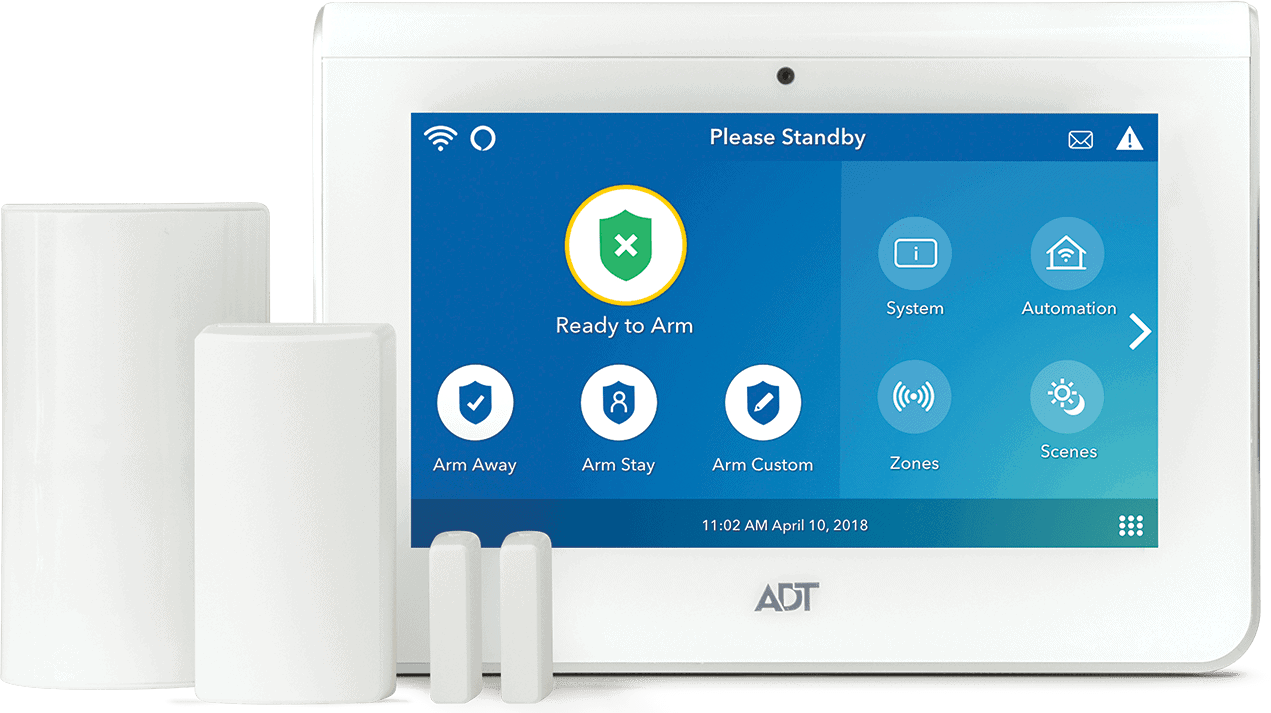
ADT Water Alarm
|
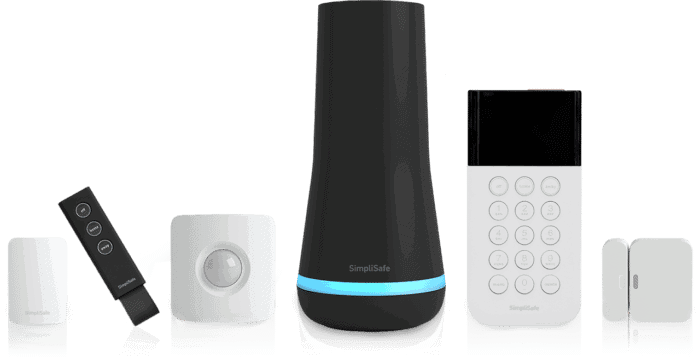
SimpliSafe Water Sensor
|
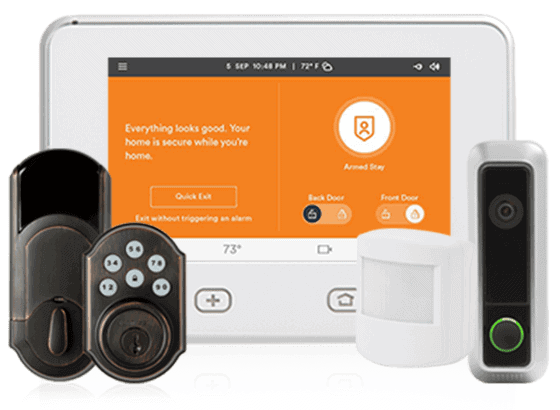
Vivint Water Sensor
|
|---|---|---|---|
| Ranking | 1st | 2nd | 3rd |
| Ratings | 9.8/10 | 9.8/10 | 9.4/10 |
| Water Detector Battery Life | 3+ years | 3 to 5 years | 5+ years |
| Installation | DIY or Professional | DIY or Professional | Professional |
| Professional monitoring | Optional | Optional | Required |
| Read Review | ADT Water Alarm Review | SimpliSafe Water Sensor Review | Vivint Water Sensor Review |
-
1. ADT - Best for Professional Monitoring

Product Specs
Equipment Costs Packages starting at $269 Monitoring Options Professional and DIY Monthly Monitoring Costs Starting at $24.99 per month Contract Lengths Month-to-month or 36 months and up Installation Options Professional and DIY Smart Platform Integration Alexa and Google Home ADT security systems include a water leak sensor that’s designed for homeowners who want professional protection. The ADT Water Alarm works as part of ADT’s broader ecosystem, which means it benefits from the company’s infrastructure and reliability. ADT is one of the best cellular security systems, so even if your internet is down, it can alert you to emergencies. That reliability is part of what makes ADT our top-pick alarm system overall.

Our full ADT security system What We Like
- Security system with 24/7 professional monitoring capabilities
- Seamless integration with ADT’s comprehensive smart home platform
- Professional installation ensures optimal sensor placement
- Reliable notification system with multiple redundancies
What We Don’t Like
- Requires ongoing monitoring subscription with monthly fees
- Professional installation required, limiting flexibility
- Most expensive option for long-term ownership
- Cannot function independently without ADT system
ADT Water Alarm Setup and Installation
The ADT Water Alarm requires professional installation as part of an ADT security system package. A technician will visit your home, assess the best placement locations, and ensure the sensors are properly connected to your ADT hub. This takes the guesswork out of installation, though it does mean you’ll need to schedule an appointment and be home for the setup process.
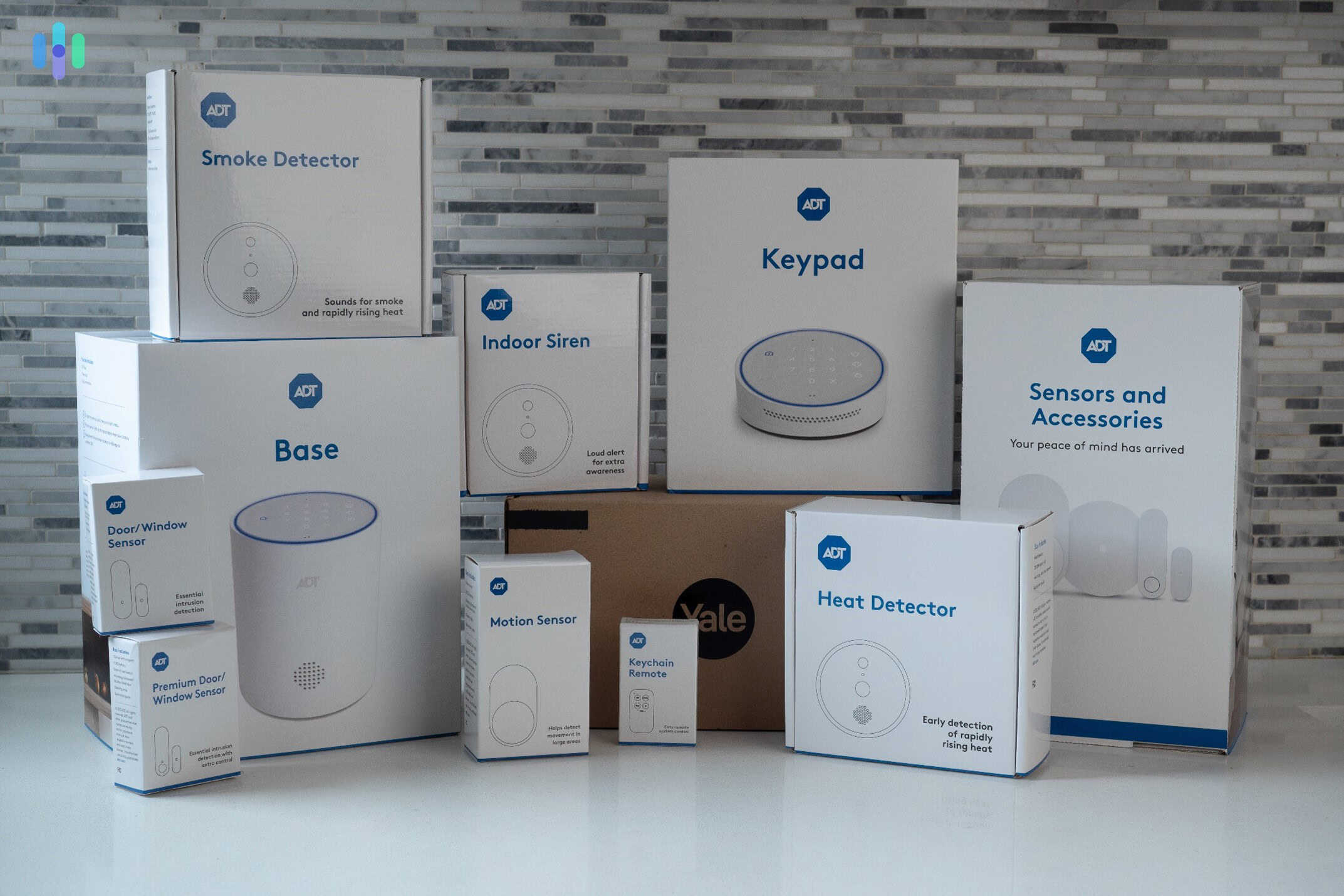
During our evaluation, we found that ADT’s professional approach helps ensure proper sensor placement. The technicians know exactly where leaks commonly occur. They even recommend coverage areas we had not considered previously. The sensors connected wirelessly to our ADT Base, which then communicates with the monitoring center (via Wi-Fi and cellular signal).
FYI: You can also choose DIY installation by going with an ADT Self Setup package. ADT Self Setup offers the same equipment as the classic ADT system, but with the added option to self-monitor and self-install.
ADT Water Alarm Monitoring and Alerts
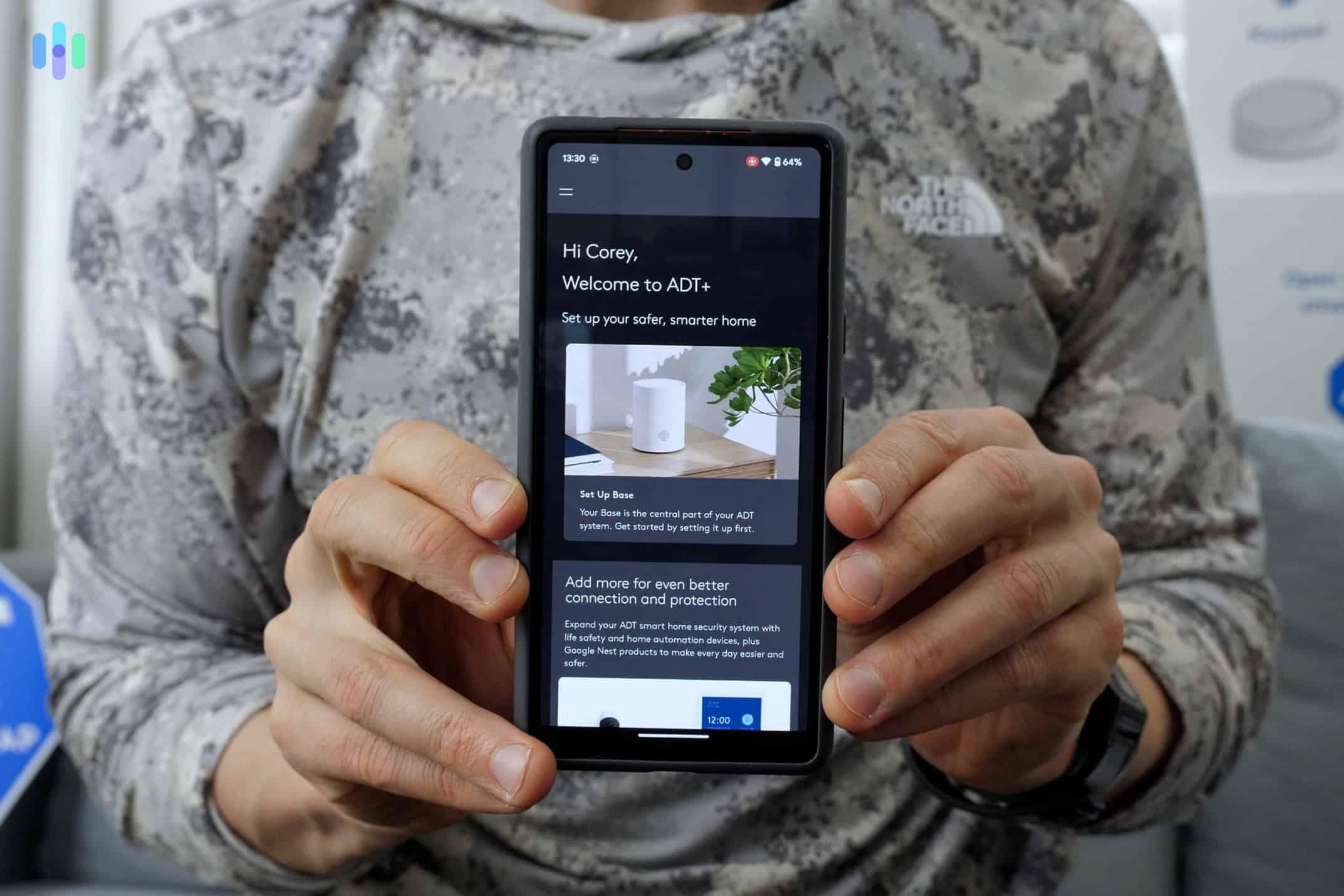
Testing the ADT+ app During testing, the smartphone notifications we received were instant and clear. They showed exactly which of the three sensors we have detected moisture and when. We also like that the ADT+ app provides a timeline of events and allows you to silence ADT false alarms remotely.
To us, it’s also a plus that the ADT+ app shows security camera footage directly. We had ADT security cameras installed – one particularly in the kitchen – so in case our sensor under the sink detects moisture, we could use the app to assess the situation wherever we are.
ADT Water Alarm System Integration
The water alarm integrates fully with ADT’s smart home platform, allowing you to create custom automations. For example, you can set up rules to turn off your smart water main valve, activate lights, or adjust your smart thermostat when water is detected. This level of integration transforms a simple sensor into part of a comprehensive protection strategy. Just note that you’d have to be pretty invested in smart home technology to make these automations happen.
>> Related: What Is A Smart Home?
Overall ADT Water Alarm Performance
The ADT Water Alarm excels in reliability and professional support. The response time from detection to notification averages under 10 seconds in our testing. The main drawback is cost. You’ll need an ADT monitoring plan, which ranges from $24.99 to $49.99 monthly, making ADT a mid-to-high range option in terms of cost.
-
2. SimpliSafe - Best Budget-Friendly Option

Product Specs
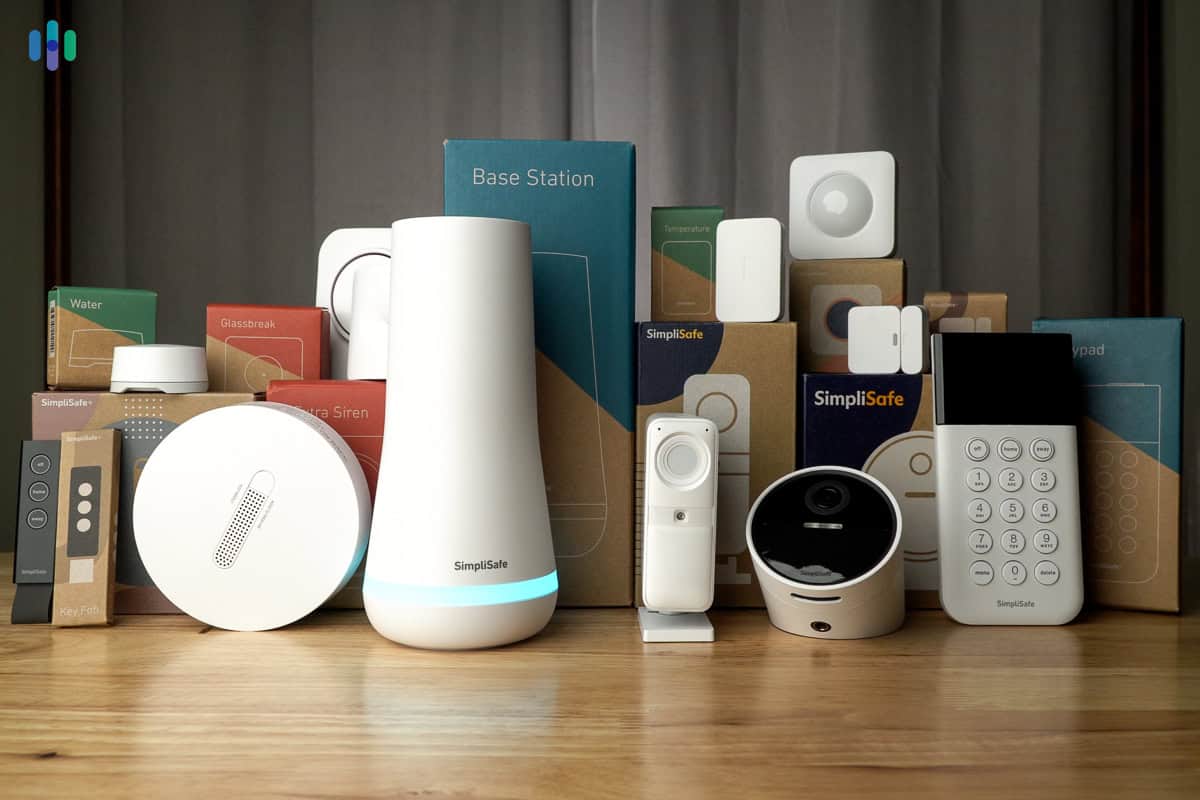
Equipment Costs Packages starting at $250.96 Monitoring Options Professional and DIY Monthly Monitoring Costs Starts at $22.99 per month Contract Lengths Month-to-month Installation Options DIY or professional Smart Platform Integration Alexa and Google Home SimpliSafe has built its reputation on affordable security solutions, and their water sensor fits the lineup. At around $19.99, this is one of the most budget-friendly options from a major security brand. What we appreciate about SimpliSafe’s approach is the flexibility. You can use the water sensor without signing up for professional monitoring, and you’d still get smartphone notifications. This approach means you can start small with just a few components and expand as your needs grow.

Our SimpliSafe security system What We Like
- Exceptionally affordable entry point with no contracts required
- True DIY installation that takes minutes without tools
- Very loud 95-decibel local alarm for immediate awareness
- Flexible monitoring options from standalone to professional
- Compatible with existing SimpliSafe security systems
What We Don’t Like
- Limited smart home integration compared to competitors
- Requires SimpliSafe base station for remote notifications
- Basic design lacks some advanced features like temperature monitoring
SimpliSafe Water Sensor Setup
SimpliSafe installation couldn’t be simpler. We simply set the wireless water sensor on the floor near the pipes we want to monitor. We placed one under the sink, one under the bath tub, and another in the basement. After that, each sensor connected to the SimpliSafe hub in under a minute.
The sensor is compact, measuring about the size of a hockey puck, and sits flat on the floor where water would naturally pool. SimpliSafe designed it with two detection points on the bottom, so it catches water from multiple angles.
SimpliSafe Water Sensor Features and Performance
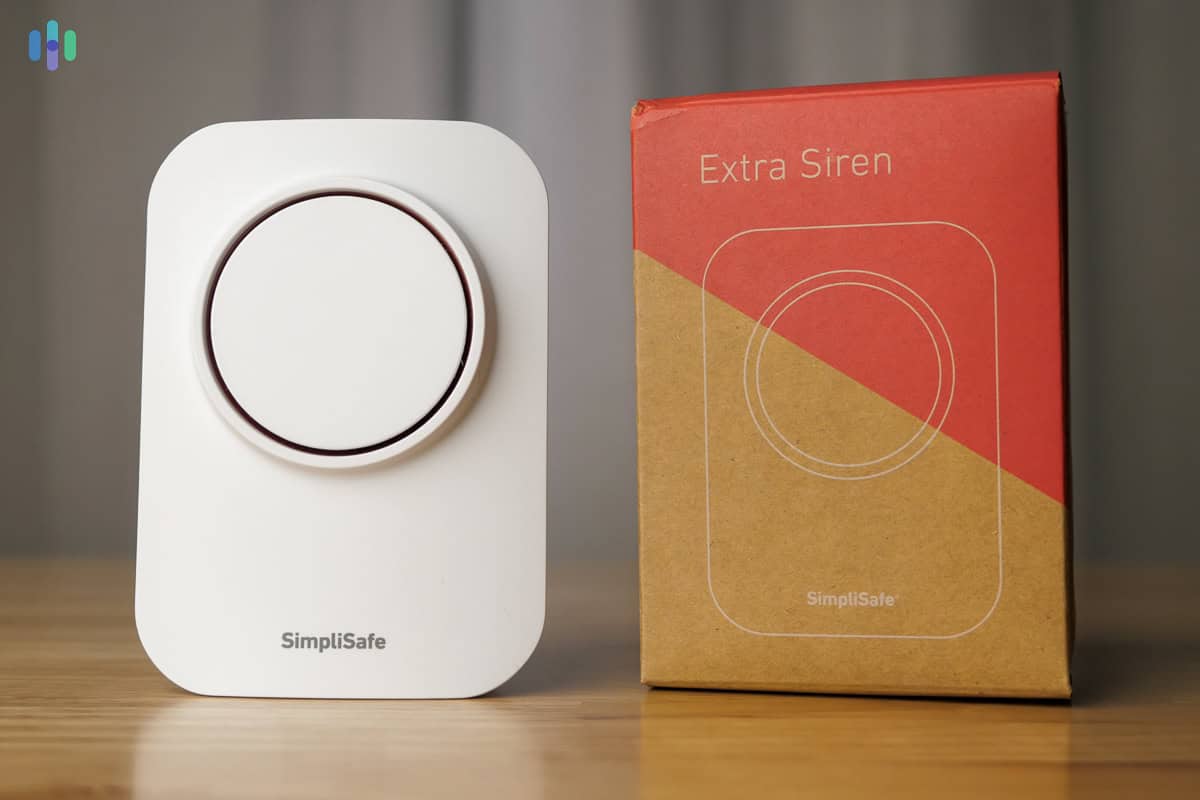
SimpliSafe sirens can alert you to unexpected flooding The SimpliSafe water sensor sounds SimpliSafe’s loud 95-decibel alarm when moisture is detected. The siren is loud enough to wake you from sleep or alert you from another room. You’ll also receive push notifications, text messages, and email alerts depending on your settings.
In our experience, detection is reliable and fast, typically triggering within seconds of water contact. The sensor uses lithium ion batteries, and SimpliSafe estimates three to five years of battery life under normal conditions. Don’t worry; the app is supposed to send low-battery warnings when power drops below a certain threshold, giving you plenty of time to replace batteries.
SimpliSafe Water Sensor Monitoring Options
Here’s where SimpliSafe’s flexibility really shows. Without a monitoring plan, you get the local alarm and can manually check sensor status through the app when you’re home. With SimpliSafe’s Standard monitoring plan ($22.99/month), you get 24/7 professional monitoring. With at least this SimpliSafe package, the monitoring center can notify you if any of your water leak sensors detect moisture, especially if you’re not responding to smartphone alerts.
Pro Tip: We recommend professional monitoring whenever available. But as one of the best self-monitored systems available, SimpliSafe is one of the few options we’d suggest considering if you’d rather avoid paying monthly fees.
Overall SimpliSafe Water Sensor Value
We think the SimpliSafe water sensor delivers excellent value for budget-conscious homeowners. The upfront cost is minimal, there are no contracts, and you can add professional monitoring only when you want it. The sensor itself is reliable and well-designed.
During testing, the trade-offs we noticed were mostly about ecosystem limitations. SimpliSafe’s smart home integration isn’t as robust as ADT or Vivint—you won’t find automatic water valve shutoffs or complex automations. But for straightforward leak detection with smartphone alerts, SimpliSafe hits the sweet spot of affordability and effectiveness.
>> See More: The Most Affordable Security Systems of 2026
-
3. Vivint - Best Smart Home Integration

Product Specs
Equipment costs Starting at $599 Monitoring options Professional Monthly monitoring costs Starting from $30 per month Contract lengths Starting at 42 months Installation options Professional Smart platform integration Alexa and Google Home Vivint takes water leak detection to the next level with a sensor designed for homeowners who want stylish equipment, The Vivint water sensor is sleeker and more refined than most competitors we tested, with a low-profile design. But Vivint’s real strength lies in integration. As part of Vivint’s comprehensive smart home ecosystem, the water sensor can trigger sophisticated home automations. That’s expected from one of the best smart home security systems.

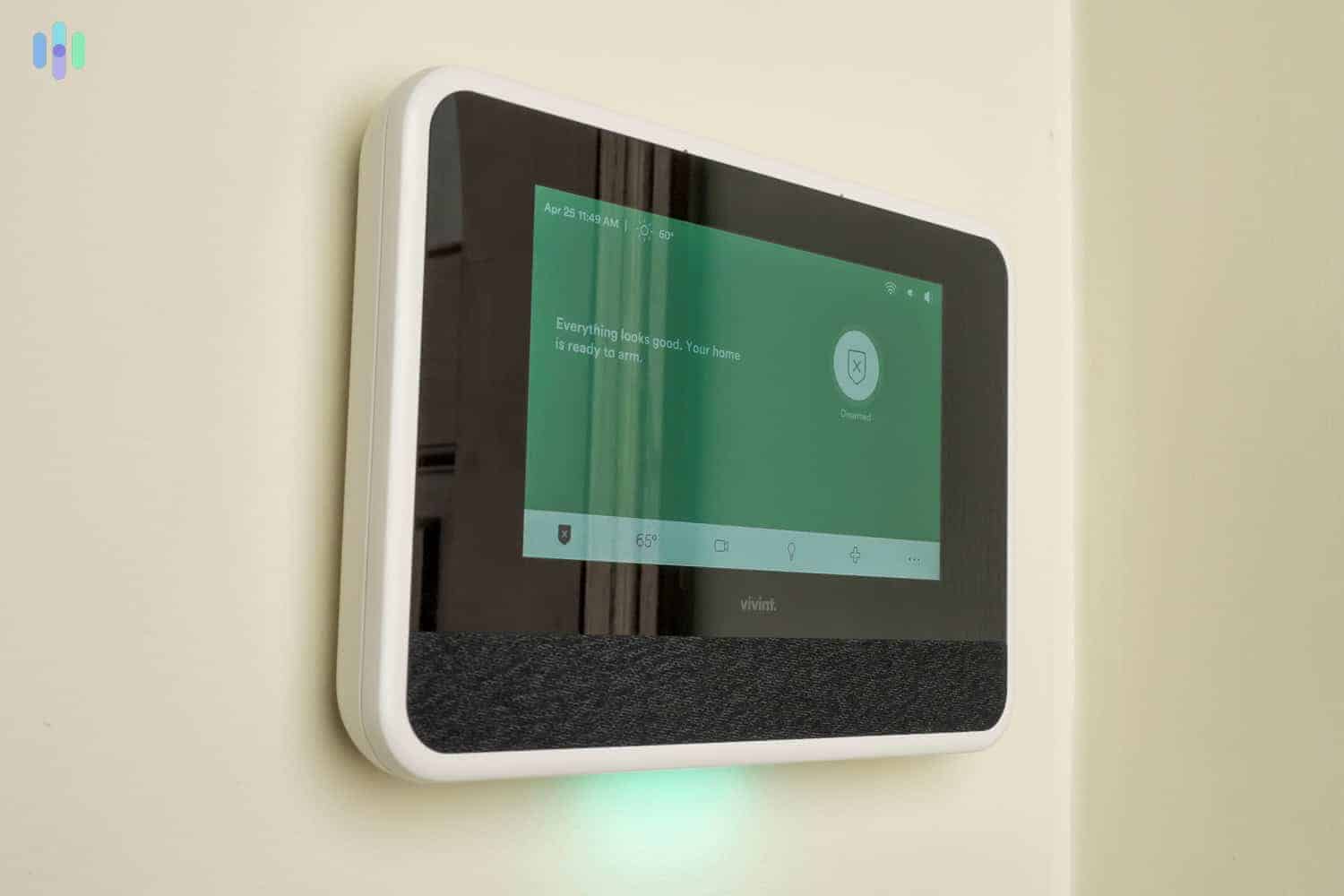
Our Vivint Smart Hub responsible for monitoring sensor statuses What We Like
- Sophisticated smart home automation including automatic water shutoff
- Sleek, modern design that blends into upscale home decor
- Professional installation ensures optimal system performance
- Longest battery life of reviewed options at 5+ years
- Deep integration with comprehensive smart home ecosystem
What We Don’t Like
- Highest total cost with required professional monitoring
- Requires long-term contract with early termination fees
- No standalone option without full Vivint system
Vivint Water Sensor Installation and Setup
Vivint uses professional installation exclusively. A certified technician handled everything from initial system installation to sensor setup and activation. They then walked us through the Vivint app and ensured all sensors were communicating properly with our Vivint hub before leaving.
Just like ADT, the professional approach means optimal placement from day one. The installation process typically takes two to four hours for a complete system including water sensors.
Vivint Water Sensor Smart Home Capabilities
This is where Vivint really differentiates itself. The water sensor integrates deeply with Vivint’s smart home platform, allowing sophisticated automation scenarios. If you have a smart water valve, you can set the system to automatically shut off the water supply when a leak is detected. This could potentially limit damage to whatever water was already in the pipes.
You can also create custom scenes that respond to water detection. For example, if the basement sensor triggers, Vivint can turn on all basement lights, send notifications to your phone, alert your home warranty company, and adjust your smart thermostat to prevent further humidity issues.
Vivint Water Sensor Monitoring and Alerts

The Vivint app promptly sends alerts during emergencies All Vivint packages include 24/7 professional monitoring, so water sensor alerts go to both your smartphone and Vivint’s monitoring center simultaneously. Monitoring specialists can see exactly which sensor triggered and can attempt to reach you immediately. If you don’t respond, they follow your predetermined emergency protocol—contacting emergency contacts or dispatching services as needed.
We also like that the Vivint app provides detailed sensor history, showing when each sensor was last tested and its current status. We were able to fully customize notifications for each piece of equipment. We set different alert types for different sensors or times of day..
Overall Vivint Water Sensor Experience
Vivint offers the most sophisticated water leak detection experience, but it comes at a premium. The sensors themselves are sophisticated and highly functional, with battery life exceeding five years according to Vivint’s specifications. We found the smart home integration unmatched, especially next to SimpliSafe’s option.
The downsides are cost and flexibility. Vivint requires professional monitoring, which starts at $29.99 monthly, and there’s typically a long-term home security contract involved. You also can’t use Vivint sensors without a Vivint system—there’s no standalone option.
>> Related: How to Cancel a Home Security Contract
Do All Homeowners Need Water Leak Detectors?
While not legally required, water leak detectors make financial sense for virtually every homeowner. The Insurance Information Institute reports that water damage claims average above $10,000, and many insurance policies have deductibles of $1,000 or more.2 A $20 to $50 investment in leak detectors can prevent damage costing tens of thousands.
Certain situations make leak detectors especially critical. If you have a finished basement, own a home with older plumbing, live in an area with hard water that accelerates pipe corrosion, travel frequently, or have experienced leaks before, leak detectors move from “nice to have” to essential. Even in newer homes, appliance failures like water heater or washing machine leaks can cause catastrophic damage if undetected. So yes, most homes potentially need water leak detectors even if they’re not legally required.
Where Should You Place Water Leak Detectors?
In our experience, strategic placement is critical for effective water leak detection. The highest-priority locations include:
- Near your water heater (the most common source of major leaks)
- Under sinks (especially kitchen and bathroom)
- Near washing machines, by sump pumps, and near HVAC condensate pans.
Those areas account for the majority of household water damage incidents according to industry data. If you have extra sensors, we also recommend placing one in the following areas:
- Near toilets (especially in upstairs bathrooms where leaks can damage ceilings below)
- By refrigerators with ice makers
- In basements near foundation walls where groundwater seepage occurs
- Near any water-using appliances like dishwashers.
In our opinion, it’s best to take a comprehensive approach using multiple sensors. Have at least one per floor, with additional sensors in high-risk areas. Position sensors in low spots where water would naturally collect, typically directly on the floor rather than elevated surfaces.
Expert Tip: Place sensors about six inches from walls rather than tight against baseboards, as water often flows along floors before reaching walls, giving you earlier detection.
How Often Should You Test Your Water Leak Detector?
We recommend testing your water leak detectors monthly to ensure they’re functioning properly. You can follow the simple test we use:
- Place a small amount of water on a paper towel
- Set the sensor on the wet towel.
- The alarm should trigger within seconds, verifying that both the sensor mechanism and the battery have sufficient power to operate the alarm.
You should also keep track of battery replacement schedules as indicated by the manufacturer. This is typically every three to five years. It’s best practice not to wait for low-battery warnings, as some sensors fail before alerting you to low power in our experience.
Additionally, we suggest keeping sensors clean by wiping them with dry cloth every few months. We’ve noticed that dust and debris accumulations can sometimes interfere with sensor detection.
Beyond monthly testing, replace batteries according to the manufacturer’s schedule—typically every 2-5 years depending on the model. Don’t wait for low-battery warnings, as some sensors may fail before alerting you to low power. Keep sensors clean by wiping them gently with a dry cloth every few months, removing any dust or debris that could interfere with detection.
Conclusion
Choosing the best water leak detector comes down to your specific needs, budget, and home security priorities. If you want comprehensive protection with professional monitoring and can budget for ongoing service, we recommend ADT’s water alarm that integrates seamlessly into a full security ecosystem with 24/7 response capabilities. For homeowners seeking budget-friendly protection with flexibility, SimpliSafe offers excellent value at an affordable price point with optional monitoring. And if you’re building a sophisticated smart home with advanced automation, Vivint provides the most elegant integration with features like automatic water shutoff.
Water damage doesn’t announce itself with advance warning, but with the right detection system in place, you can catch problems in their earliest stages when they’re easiest and cheapest to fix. Whether you choose ADT’s professional monitoring, SimpliSafe’s budget-friendly flexibility, or Vivint’s smart home sophistication, investing in water leak detection is one of the smartest home protection decisions you can make.
FAQs
-
How quickly do water leak detectors respond?
Most modern water leak detectors trigger alarms within one to five seconds of contact with water. Smartphone notifications typically arrive within 10 to 30 seconds depending on your internet connection and the system’s communication method.
-
Can water leak detectors work without WiFi?
Standalone water leak detectors with local alarms work without WiFi or any internet connection. However, smart features like smartphone notifications and professional monitoring require internet connectivity through WiFi or cellular backup systems.
-
How long do water leak detector batteries last?
Battery life varies by model, ranging from two to five years typically. Models that use lithium ion batteries can typically last five years or more, but this still depends on usage.
-
Will water leak detectors work during power outages?
Yes, water leak detectors are battery-powered and continue functioning during power outages. However, smartphone notifications may not work if your internet router is offline unless your security system has cellular backup.
-
Can I install water leak detectors myself?
SimpliSafe sensors are designed for DIY installation and require no tools. ADT and Vivint require professional installation as part of their comprehensive security systems.
-
Do water leak detectors detect humidity or just standing water?
Most standard water leak detectors only detect standing water through contact with their sensor plates. Some advanced models include humidity sensors, but the basic sensors reviewed here require direct water contact to trigger.
-
Insurance Information Institute. (2025). Facts + Statistics: Homeowners and renters insurance.
https://www.iii.org/fact-statistic/facts-statistics-homeowners-and-renters-insurance -
Zipdo. (2025). Water Damage Claims Statistics.
https://zipdo.co/water-damage-claims-statistics/