


the security.brief
Hide some outdoor security cameras for evidence collection, but keep others visible to deter burglars. Fake cameras aren't effective; opt for real ones.
Editor’s Note: Whether you hide or display your cameras, we recommend upping your protection with an outdoor security system. You’ll get extra features like video doorbells and window break sensors to keep you and your home safe.
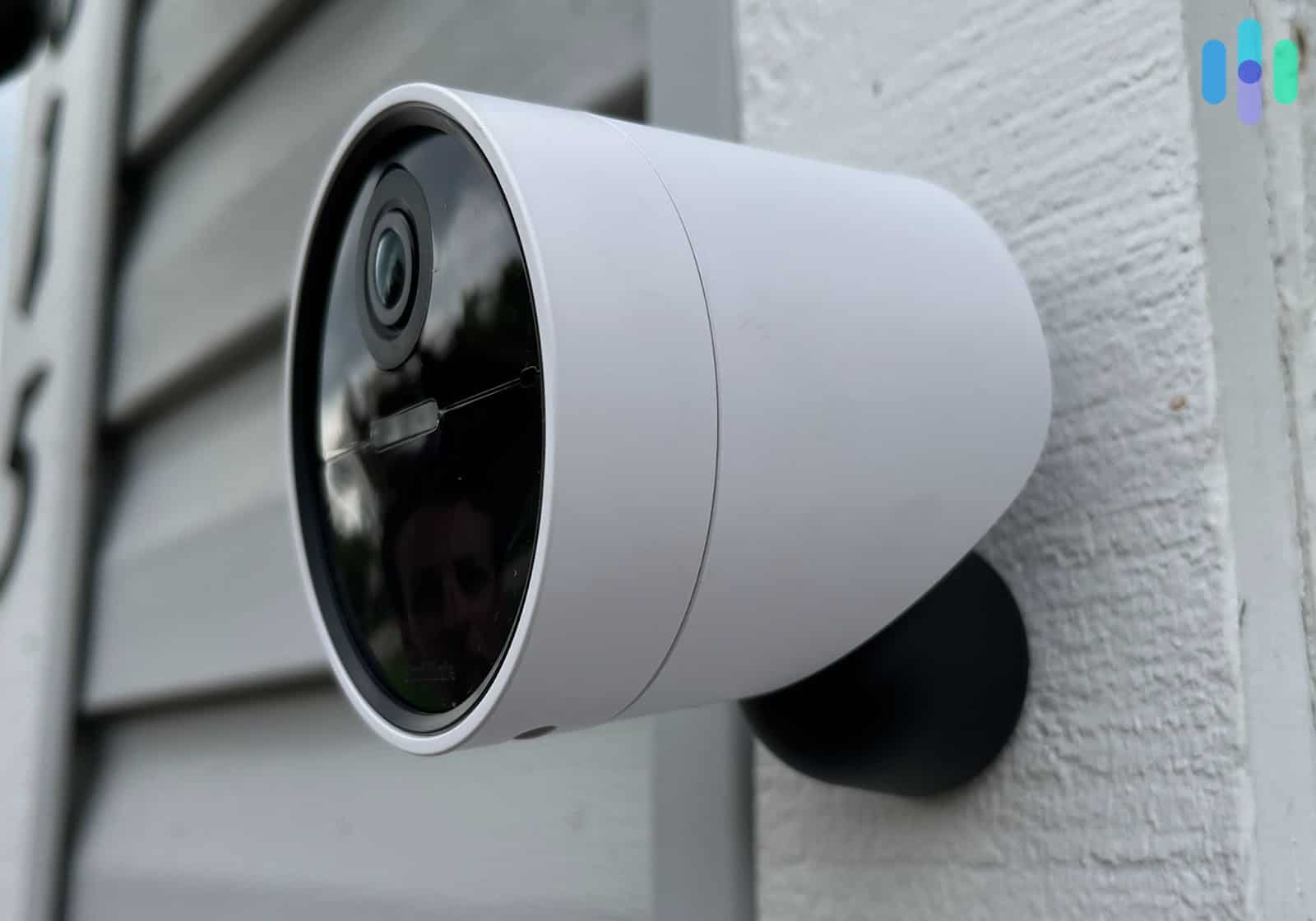
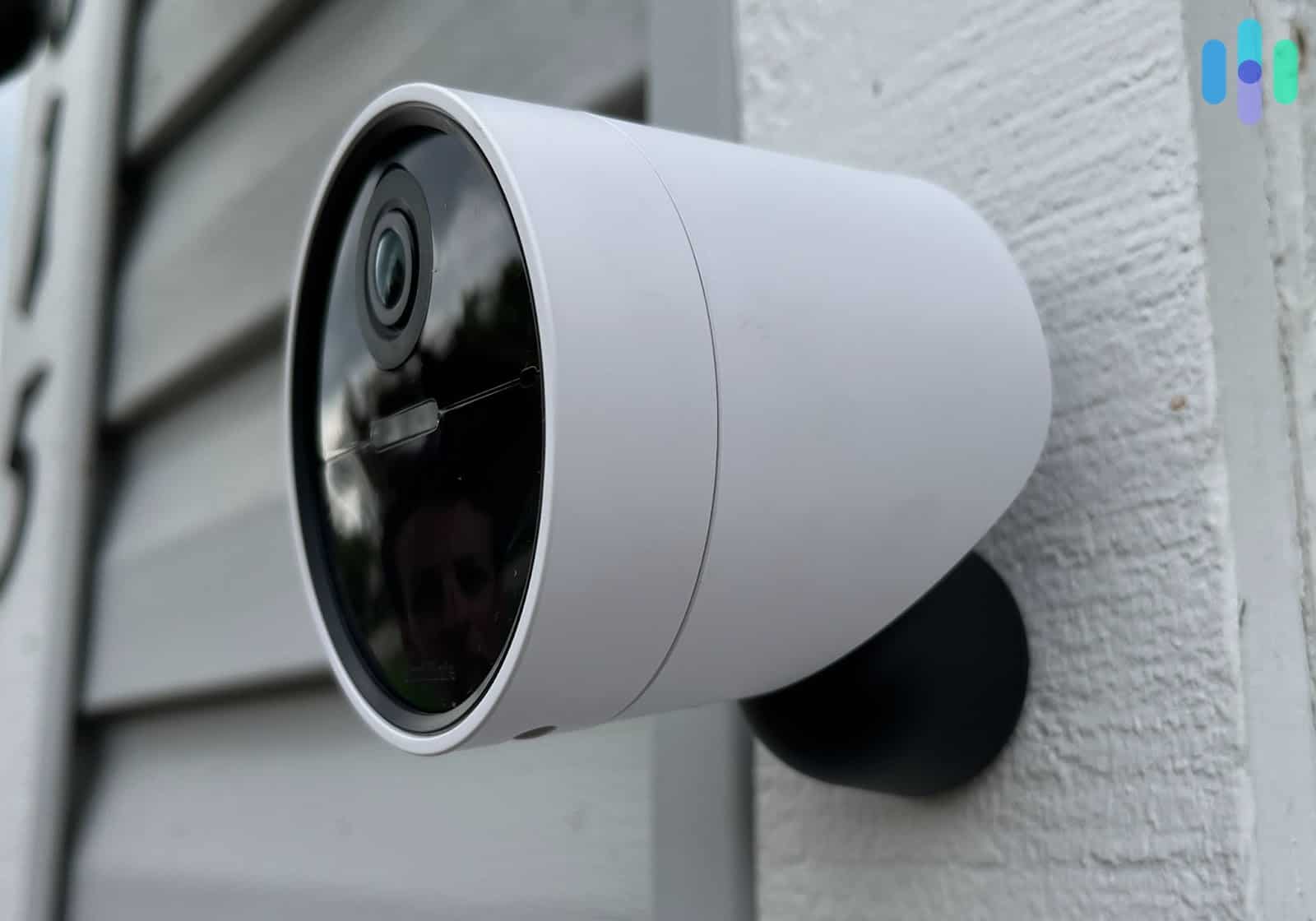
There’s a debate among security experts whether to hide or display outdoor cameras. On one hand, security cameras deter crime. Would-be burglars see them and often scram. On the other hand, visible security cameras might invite vandals or determined burglars to steal or tamper with them.
Our stance on the matter? Do both! Keep some of your security cameras visible as deterrents, while strategically concealing others as your backup evidence collectors. Doing the first is easy, but hiding outdoor cameras can be a little trickier, which is why we created this guide just for that.
How to Hide Security Cameras Outside
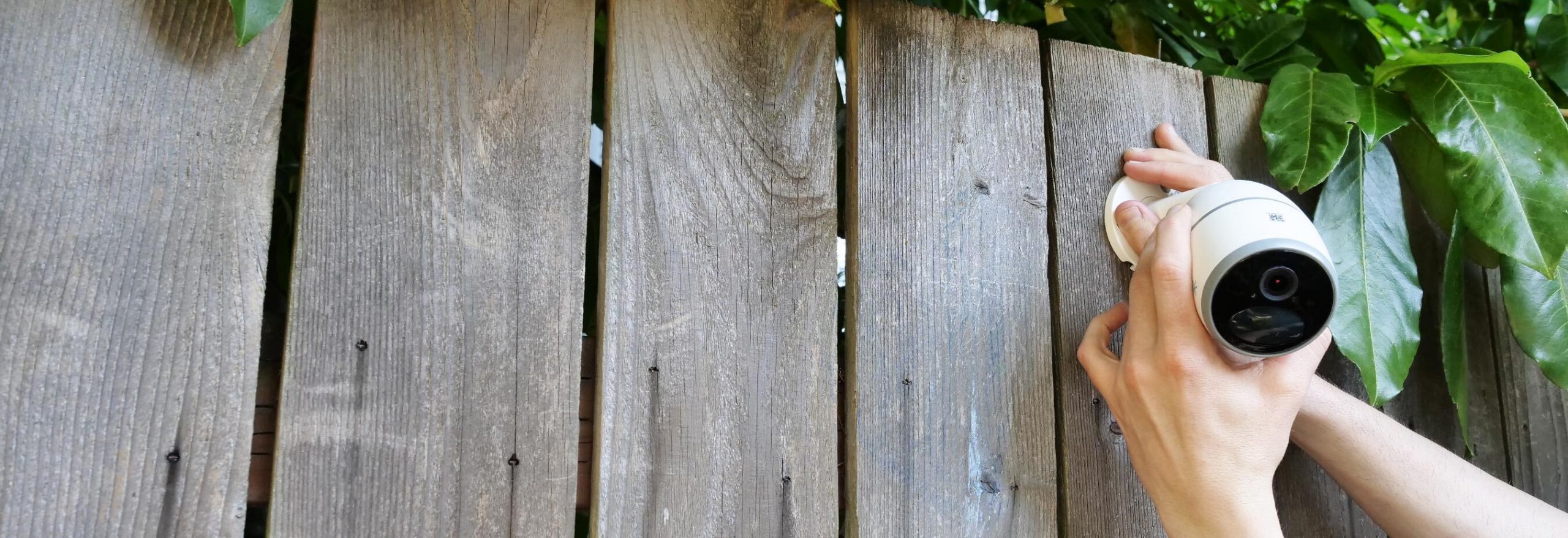
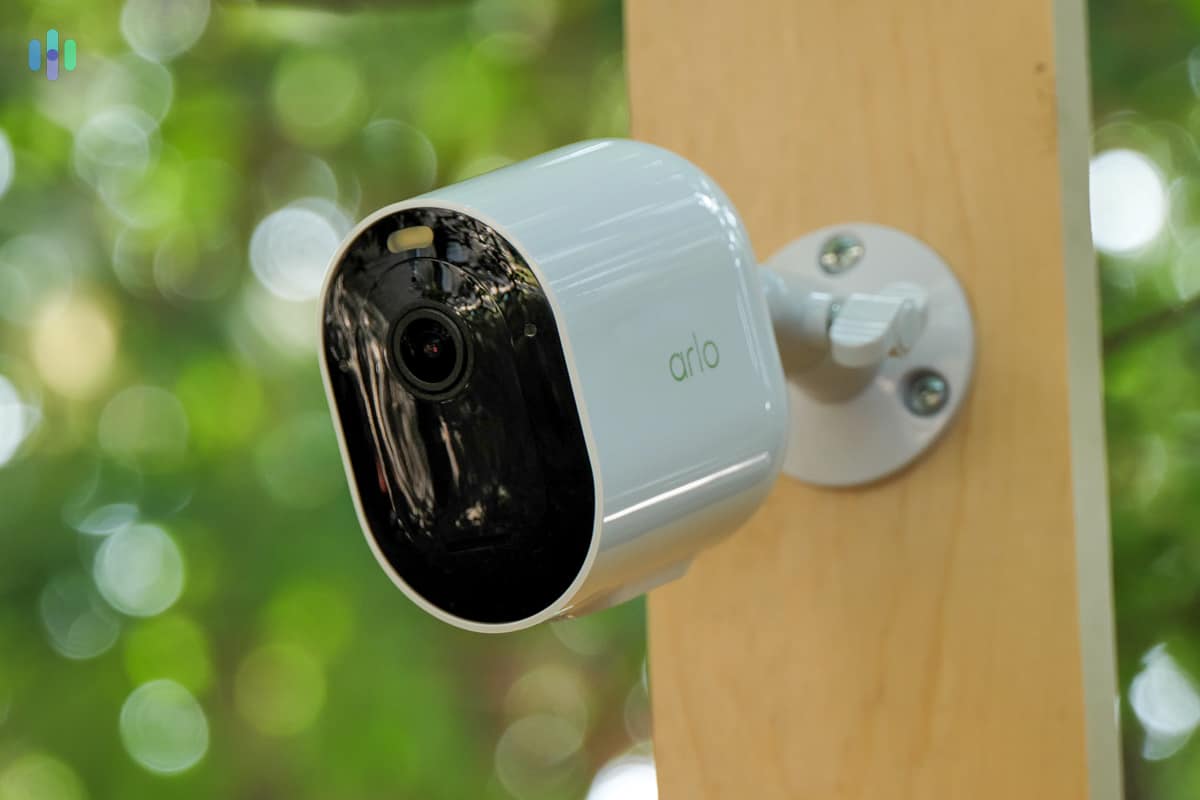
Installing security cameras is actually fun. It lets you unleash your creativity, especially when installing outdoor cameras. You don’t always need to completely hide your camera – clever camouflage works just as well. Try painting it to match your siding, wrapping it with artificial foliage near real plants, or using decorative covers that blend with your home’s aesthetic.
Of course, if you’re looking for more conventional hiding places, here’s where to best place your security cameras so they’re hidden from view.
Where to Hide a Spy Camera Outside
We recommend concealing your camera behind or within:
- Fake rock
- Bird feeder
- Birdhouse
- Plant
- Piece of lawn decor
- PVC pipe
- Outdoor light fixtures
- Eave corners or soffits
Should I Hide My Security Cameras?
Combining visible and hidden cameras works best for maximum protection. Visible cameras can deter intruders, while hidden cameras serve as your insurance policy when visible ones get compromised. Consider these pros and cons, however, when choosing which cameras to hide.
Pros
- Catch burglars: If a thief can’t see a camera, they can’t steal it, meaning it’s free to gather ample evidence of a home invasion.
- Prevent package theft: With package theft causing estimated losses of about $16 billion, hidden cameras can help catch porch pirates who might avoid visible cameras.1
- Increase home value: Hardwired security cameras can increase a home’s value if you ever decide to sell.
- Communicate remotely: Cameras with two-way audio allow you to talk to people in front of your camera from anywhere with the internet.
Cons
- No crime deterrence: It’s been proven that security cameras deter crime, so by hiding your security cameras, they do nothing to actually prevent burglaries from taking place.
- Poor visibility: Hiding your security cameras may also decrease their visibility, defeating the purpose of that 1080p HD or higher video resolution and infrared night vision.
- Legal considerations: Some states require visible notice of recording, making completely hidden cameras potentially problematic
Should I Install Fake Security Cameras?
Skip the fake cameras – experienced criminals can spot them easily. With real outdoor cameras now starting around $30-50 for basic models, the minimal savings aren’t worth sacrificing actual security. We say no, and here’s why.
Pros
- Deters crime: By being visible, even fake security cameras deter crime, if they look legitimate enough.
- Low initial cost: Fake cameras typically cost $10 to 20.
Cons
- Often look fake: The problem with fake security cameras is that they often look fake, so burglars may be able to see right through them (not literally!).
- No live video or notifications: With fake cameras, you don’t get the benefits of real smart security cameras like a live video feed, motion-activated notifications, two-way audio, etc.
- May cause legal issues: Creating a false sense of security could potentially expose you to liability if an incident occurs.
- No insurance benefits: Many insurers offer discounts for real security systems, but not for fake cameras.
What to Look For in Hidden Security Cameras
Of course, you’re free to do what you want, so if you decide to hide your security cameras, look for the following features:
- Cost: Outdoor security cameras cost $100 to $300 on average, with premium models reaching $400 to $500. Learn more about how much security cameras cost.
- Connectivity: Most cameras connect to Wi-Fi, so make sure that your cameras are in your network’s range. However, there are many cameras that don’t need Wi-Fi, some of which, like the Reolink GO and the Arlo Go, use cellular data instead.
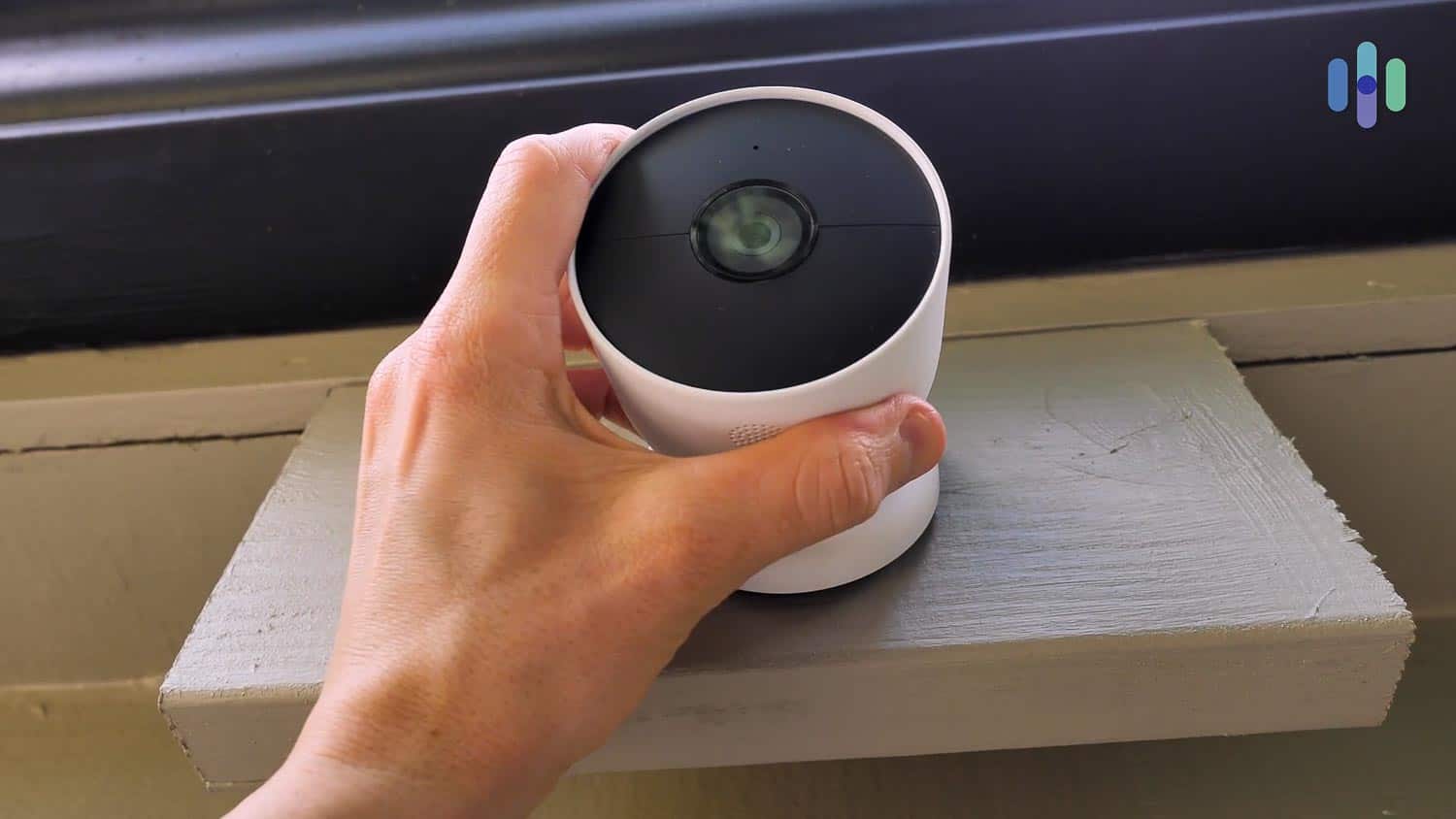
- Power: For ease of use and installation, you’ll probably want a wireless security camera, specifically a wireless outdoor camera. Wireless cameras work by either battery or solar power, as we’ve seen with the Reolink GO and some versions of the Ring cameras.
- Battery life: Look for cameras with battery lives of 3-6 months minimum, though newer models like the Eufy SoloCam S340 can last up to 12 months on a single charge.
Note: In contrast to battery-powered cameras, solar-powered cameras charge continuously through the sun.
- Video: Look for at least 2K resolution (2560×1440) for clear detail, with 4K becoming more common. Aim for a field of view between 130 to 160 degrees for optimal coverage. Ideally, the camera can zoom in optically, as well.
- Audio: Two-way audio means that you can hear what’s going on and even speak to whoever’s near your camera. For hidden cameras, though, you’ll probably only want to listen, so make sure your camera has a microphone built-in.
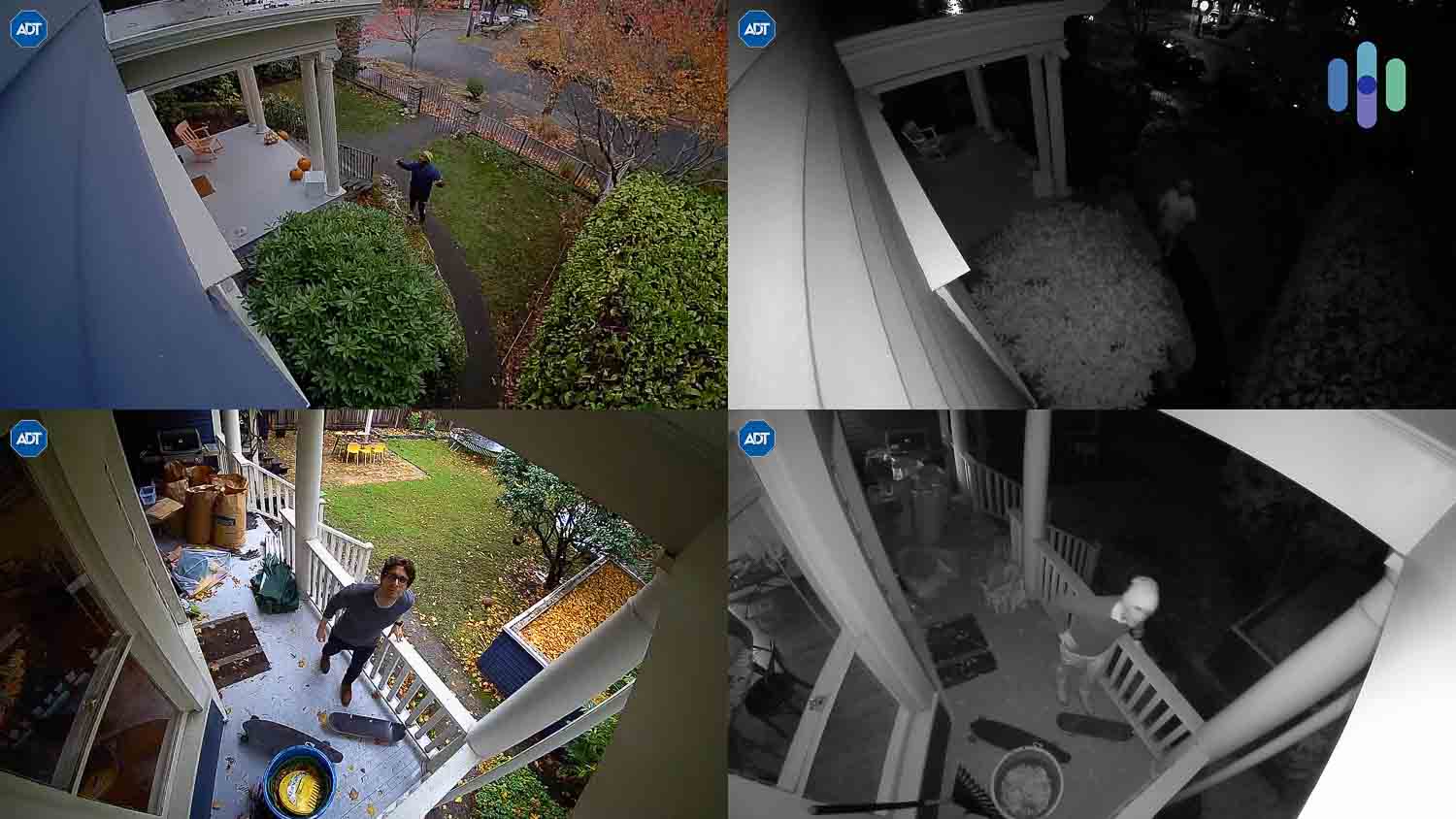
- Night vision: Most burglaries happen at night, so make sure to get a camera with infrared night vision. Spotlight cameras like the Ring Spotlight Cam Battery give amazing color night vision, but their bright lights make them anything but hidden.
- Person detection: Modern AI-powered cameras can distinguish between people, packages, vehicles, and animals, reducing false alerts by up to 95% compared to basic motion detection.
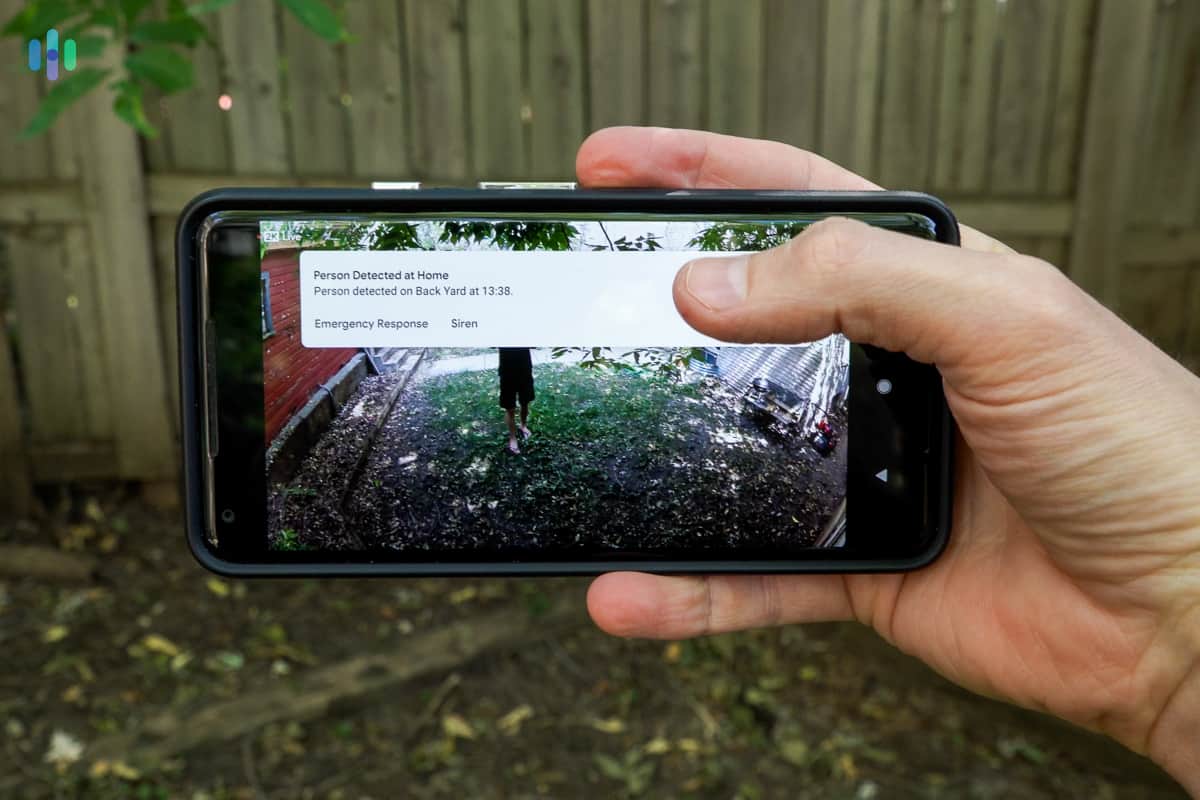
- Smart platform integrations: Ensure compatibility with your smart home ecosystem – whether that’s Alexa, Google Assistant, or Apple HomeKit. This enables features like automatic arming when you leave home.
Tip: Interested in home automation? Buy a camera that works with other Internet of Things (IoT) devices to have them trigger one another. For example, you can have your armed camera trigger motion-activated smart lighting to turn on, deterring burglars.
- Strong mobile app: Since you’ll be using it to check in on live footage, review cloud storage, and receive notifications when there’s movement, make sure the camera has a high-quality mobile application. Check for ratings of 4.0 or higher with at least 1,000 reviews in your device’s app store.
- Durability: Durability comes down to two things: IP rating and temperature range. Look for IP65 minimum (IP66 or IP67 preferred), meaning complete dust protection and resistance to water jets or temporary immersion. For temperature, ensure the range covers at least -4°F to 122°F (-20°C to 50°C).
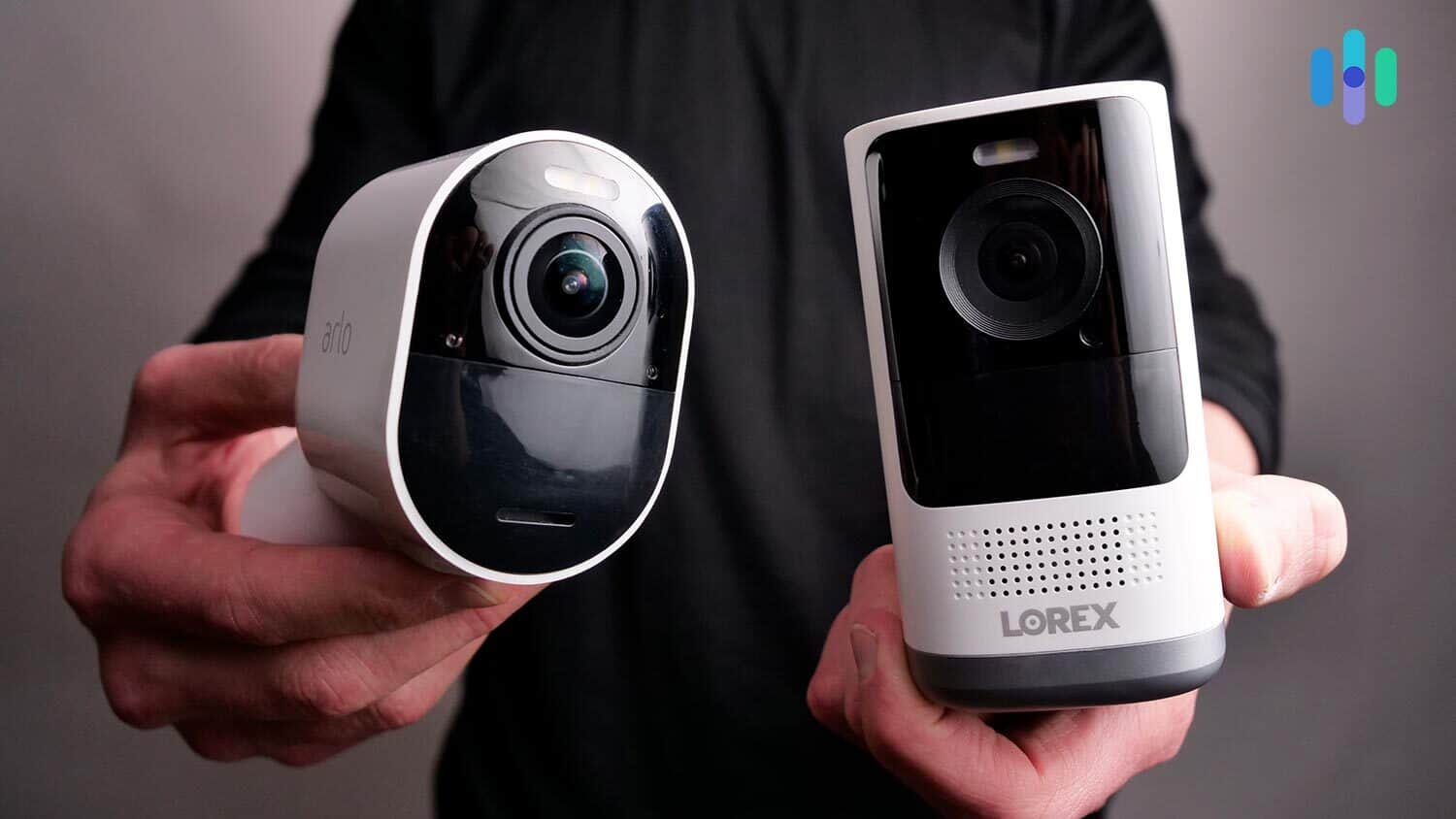
- Size: For hidden installations, compact cameras under 3 inches in any dimension work best. Mini cameras like the Blink Mini or Wyze Cam v3 offer full features in tiny packages.
- Local storage options: Consider cameras with microSD card slots for backup recording without monthly cloud fees.
Conclusion
Smart home security means playing both offense and defense. Visible cameras act as your first line of defense, warning potential intruders that your property is protected. Meanwhile, hidden cameras serve as your backup plan, capturing crucial evidence if someone decides to test your defenses. So remember, don’t hide all your security cameras. Leave a few of them in plain sight so burglars know your home is being watched.
Continue reading below to get even more tips on how to hide your security cameras and prevent home invasions.
Frequently Asked Questions
We hope we’ve answered all of your questions about hiding security cameras but if we haven’t, we’ll try again.
-
How can I hide my outdoor security cameras?
You can hide your outdoor security cameras by placing them near or disguising them as a:
- Fake rock
- Plant
- Lawn decor
- Birdhouse
- Bird feeder
- Outdoor light fixture
- Downspout or gutter component
You can also paint your security camera to match your house.
-
How do you disguise a camera?
You can disguise a camera by hiding it behind a birdhouse or bird feeder, plant, fake rock, etc. You can also use camera skins or covers designed to look like everyday objects, or install them inside weatherproof housings that match your home’s exterior fixtures.
-
Should you hide security cameras?
We recommend a hybrid approach: keep some cameras visible to deter crime (studies show up to 30% reduction) while hiding others to ensure evidence collection if visible cameras are compromised.
-
Where should I place security cameras?
You should place your security cameras:
- At ground-floor doors and windows
- In a main hallway or staircase
- In common areas
- In your yard
- In your driveway
- In the basement
- In any detached buildings like garages
- Covering blind spots like side gates and fence lines