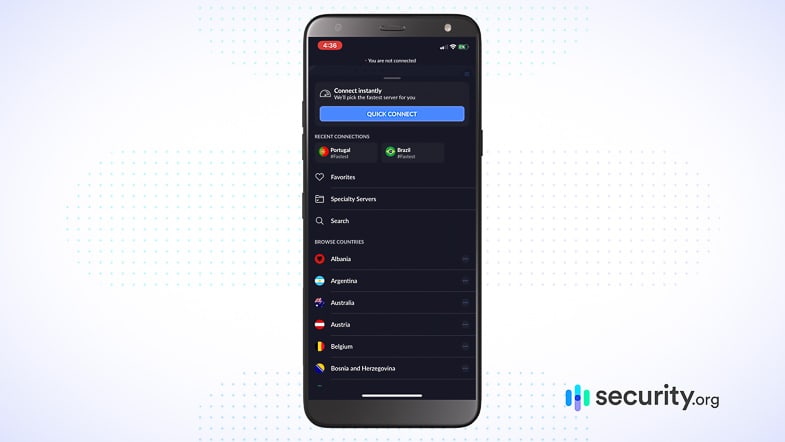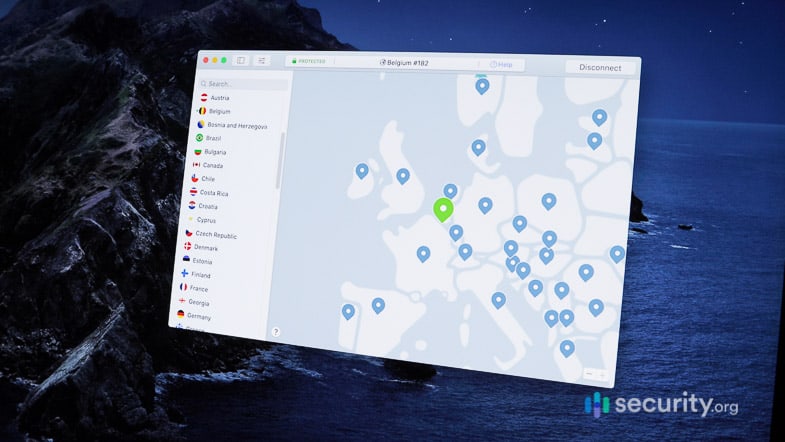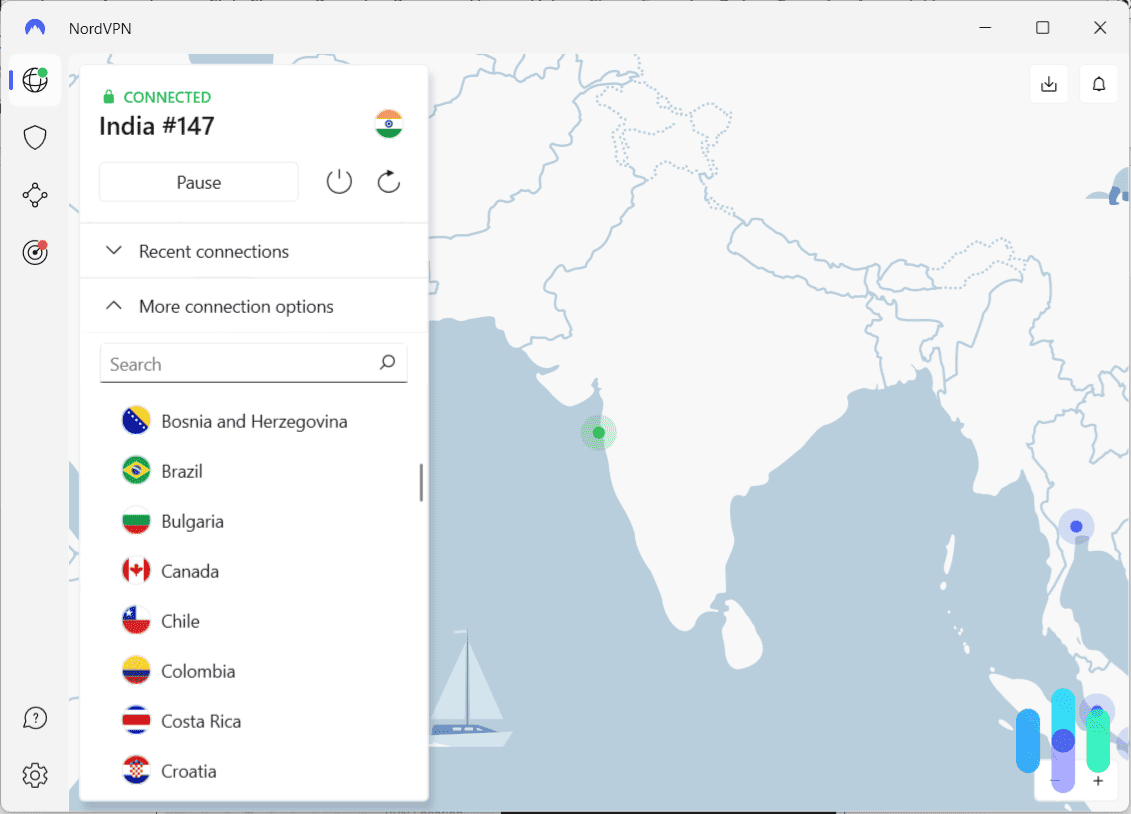

NordVPN pairs an audited no-logs policy with a kill switch that blocks all traffic if the connection drops, so you can handle all of the above with one subscription. Even better, NordVPN’s prices start at under $4 per month. That’s less than a snack at Buc-ee’s.
The Best VPNs for Texas in 2026
Our top pick, NordVPN, pairs an independently audited no-logs policy with a kill switch built for privacy-conscious Texans.
All of our content is written by humans, not robots.
Learn More
By
 Last Updated on Sep 29, 2026
 Last Updated on Sep 29, 2026
Best for Verified No-Logs Privacy
NordVPN
Best for Verified No-Logs Privacy-NordVPN

Top Features
- No-logs policy is independently audited and verified on an annual basis.
- Kill switch operates on the app and system-level for built-in redundancy.
- Over 30 Texas servers spread across Dallas and Houston.
Get NordVPN
Links to NordVPN
Best for Coverage in All 50 U.S. States
Private Internet Access
Best for Coverage in All 50 U.S. States-Private Internet Access

Top Features
- Over 25,000 servers globally with coverage for all 50 U.S. states.
- Low-cost plans start at under $2 per month.
- All plans support unlimited devices.
View Plans
Links to Private Internet Access
Best Free VPN for Texas
Proton VPN
Best Free VPN for Texas-Proton VPN

Top Features
- Genuinely usefullifetime free plan that supports unlimited bandwidth and no artificial speed limits.
- Open-source apps let independent security experts audit the code.
- Long-standing reputation for respecting user privacy.
View Plans
Links to Proton VPN
the security.brief
NordVPN, Private Internet Access, and Proton VPN are our top picks for Texas, tested for privacy, speed, and the features that matter most for Texas users.
Texas residents have a specific reason to think harder about VPN privacy than most. Under House Bill 1181, websites with substantial adult content must now verify visitors’ ages.1 This often requires the collection of a government ID or other identifying information through third-party vendors. A separate law, SB 2420, extends similar age-verification requirements to app store downloads.2 Together, they’re a big part of why no-logs privacy matters more here than in states without this kind of legislation.
We tested VPNs for the qualities that matter most here: verified no-logs policies, reliable kill switches, fast U.S. server speeds, and fair pricing. For a broader look at how these three stack up against the rest of the market, see our ranked list of the best VPNs. When it comes to Texas-specific performance, NordVPN takes the top spot with its annually verified no-logs privacy policy. Private Internet Access follows with servers in all 50 states and Proton VPN takes third with its lifetime free plan.
The Best VPNs for Texas
- NordVPN - Best for Verified No-Logs Privacy
- Private Internet Access - Best for Coverage in All 50 U.S. States
- Proton VPN - Best Free VPN for Texas
Comparing the Best VPNs for Texas
| System |
NordVPN
|
Private Internet Access
|
Proton VPN
|
|---|---|---|---|
| Ranking | 1st | 2nd | 3rd |
| Ratings | 9.7/10 | 9.4/10 | 9.3/10 |
| Starting Price | $3.49 per month | $1.79 per month | Free (or $3.49 per month for premium) |
| No-Logs Verification | Annual independent audits | Proven in court proceedings | Independently audited |
| Kill Switch | App-level and system-level | System-level | System-level |
| Money-Back Guarantee | 30 days | 30 days | 30 days |
| Server Countries | 137 | 91 | 149 |
| Read Review | NordVPN Review | Private Internet Access Review | Proton VPN Review |
Why Texas Residents Need a VPN
A few factors make a VPN worth having if you live in or spend a significant amount of time in Texas:
- Age-verification data exposure: Websites now required to verify visitor ages often rely on third-party vendors to process that information. That means your identifying data may pass through systems you have no direct relationship with or visibility into.
- App download age verification: SB 2420 pushes similar age-verification requirements down to app stores, meaning app downloads can trigger the same kind of identity data collection that HB 1181 requires for websites.
- Regional sports blackouts: Texas is home to the Cowboys, Texans, Rockets, Mavericks, Spurs, Astros, and Rangers. VPNs can help you get around blackout restrictions that prevent you from streaming games when away.
- Remote work across Texas’s business hubs: Austin’s tech sector, the corporate headquarters scattered across Dallas-Fort Worth, and Houston’s energy companies all lean heavily on remote and hybrid work. A VPN adds a layer of protection for anyone accessing sensitive work systems from outside the office.
The data exposure risks related to Texas’s age-verification laws is reason enough to justify the price of a VPN subscription. All of the other benefits are just icing on the cake.
Stay Covered by Default
Get NordVPN
Links to NordVPN
The Top VPNs for Texas: Why They're Best
-
1. NordVPN - Best for Verified No-Logs Privacy
 Get NordVPN Links to NordVPN
Product Specs
Server locations 137 countries Average Speed Loss 6% download & 4% upload Apps Windows, MacOS, Linux, Android, iOS, Chrome, Firefox, Edge, Android TV, tvOS Best Monthly Rate $3.49/mo with a 2-year plan Money-Back Guarantee 30 days full refund
Why We Picked It
NordVPN’s no-logs policy is independently audited every year, and it’s paired with a kill switch that operates at both the app and system level. That gives privacy-focused Texans a verified foundation rather than just a policy statement.
What We Like
- No-logs policy independently audited every year
- Kill switch works at both the app and system level
- Over 30 servers in Texas alone for fast, reliable speeds
- Every plan is backed by a 30-day money-back guarantee
What We Don’t Like
- Only supports 10 simultaneous connections
- Next-generation antivirus isn’t included on the Basic tier
- Prices increase at renewal after the introductory term
NordVPN Test Results

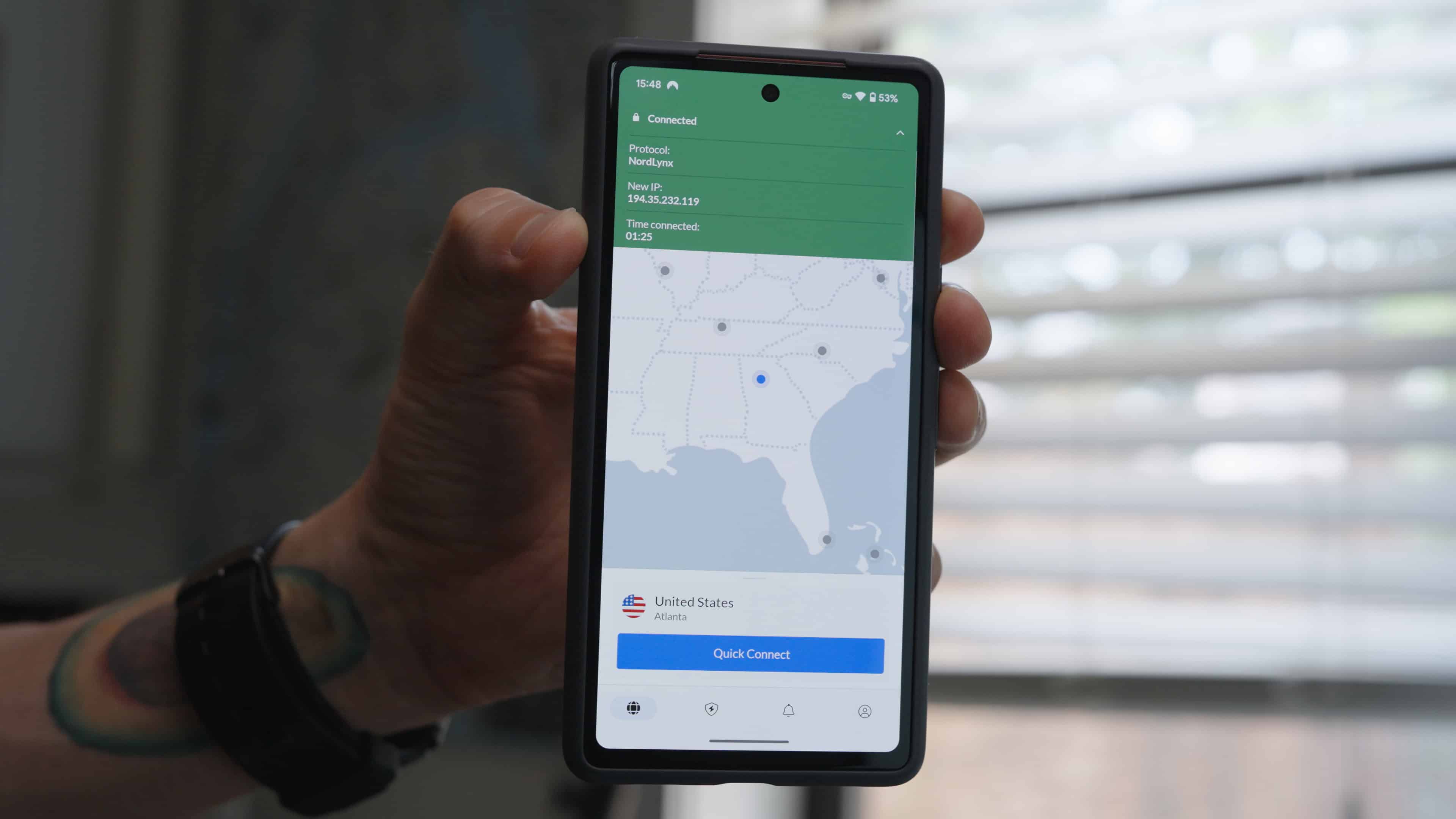
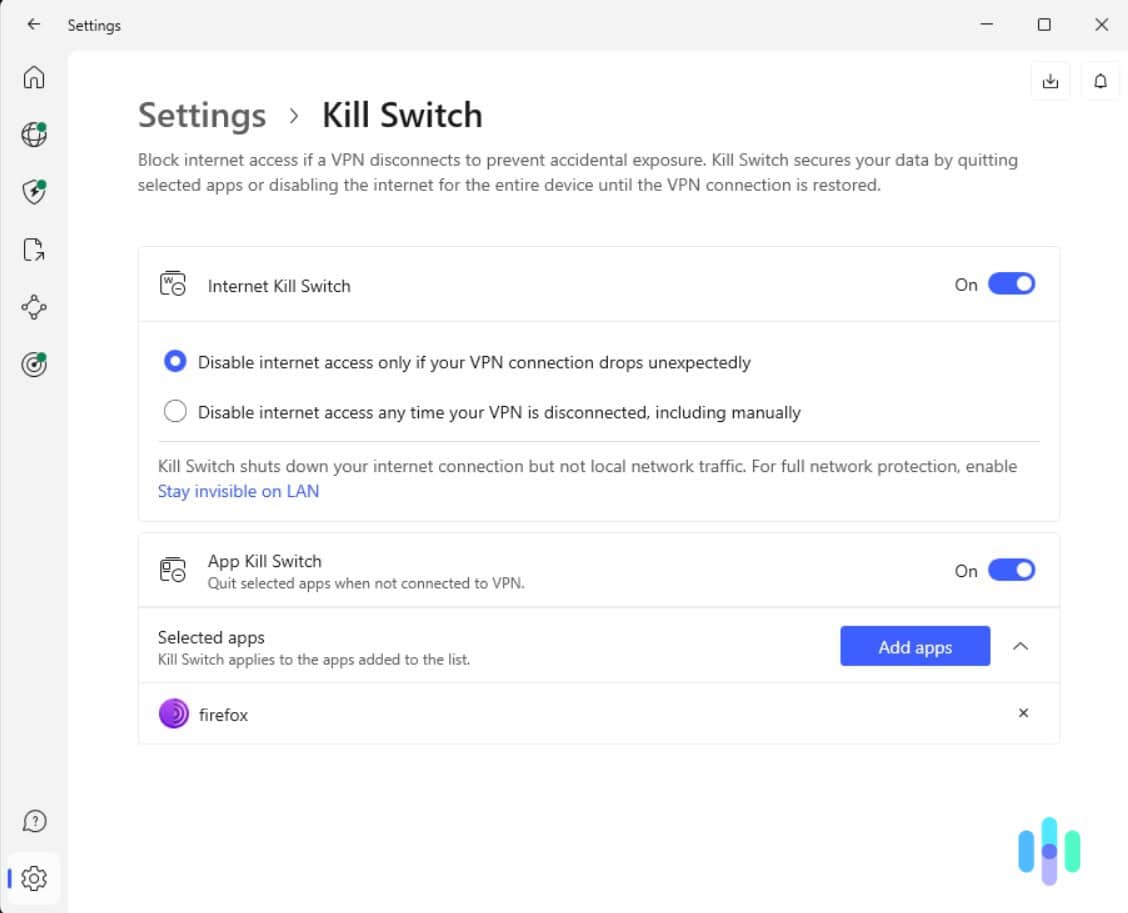
We added our browser to NordVPN’s app-based kill switch for an added layer of redundancy We tested NordVPN’s kill switch by manually disconnecting from the VPN server mid-session. Each time, it immediately blocked all internet traffic rather than falling back to an unprotected connection. That behavior matters regardless of what you’re using a VPN for, since it closes the gap where your real IP address or unencrypted traffic could otherwise be exposed. We also ran eight DNS and WebRTC leak tests, and in every case our real IP address stayed hidden behind the VPN server’s address.
For Texas specifically, NordVPN’s large server network makes it easy to route your connection through a fast, nearby U.S. server rather than sacrificing speed for privacy. In Texas alone, there are over 30 servers you can connect through. That combination of verified no-logs privacy and consistent performance is why it’s our top pick for privacy.
>> Learn More: Private Internet Access vs. NordVPN
-
2. Private Internet Access - Best for Coverage in All 50 U.S. States
 View Plans Links to Private Internet Access
Product Specs
Server locations 91 countries Average Speed Loss 5% download & 84% download Apps Windows, MacOS, Linux, Android, iOS, Chrome, Firefox, Android TV, tvOS Best Monthly Rate $1.98/mo with a 3-year plan Money-Back Guarantee 30 days full refund
Why We Picked It
Private Internet Access offers server locations in all 50 U.S. states. That gives you a nearby, low-latency option no matter where you are in Texas. It also ensures you can connect through Texas or a nearby server while traveling elsewhere in the country.
What We Like
- Server locations in all 50 U.S. states
- No-logs policy verified through real court cases
- Customizable kill switch settings
- Unlimited simultaneous connections
- Affordable long-term pricing starting at $1.79 per month
What We Don’t Like
- Doesn’t offer a student or family discount
- App interface is less polished than some competitors
- Live chat support is hit and miss
Private Internet Access Test Results

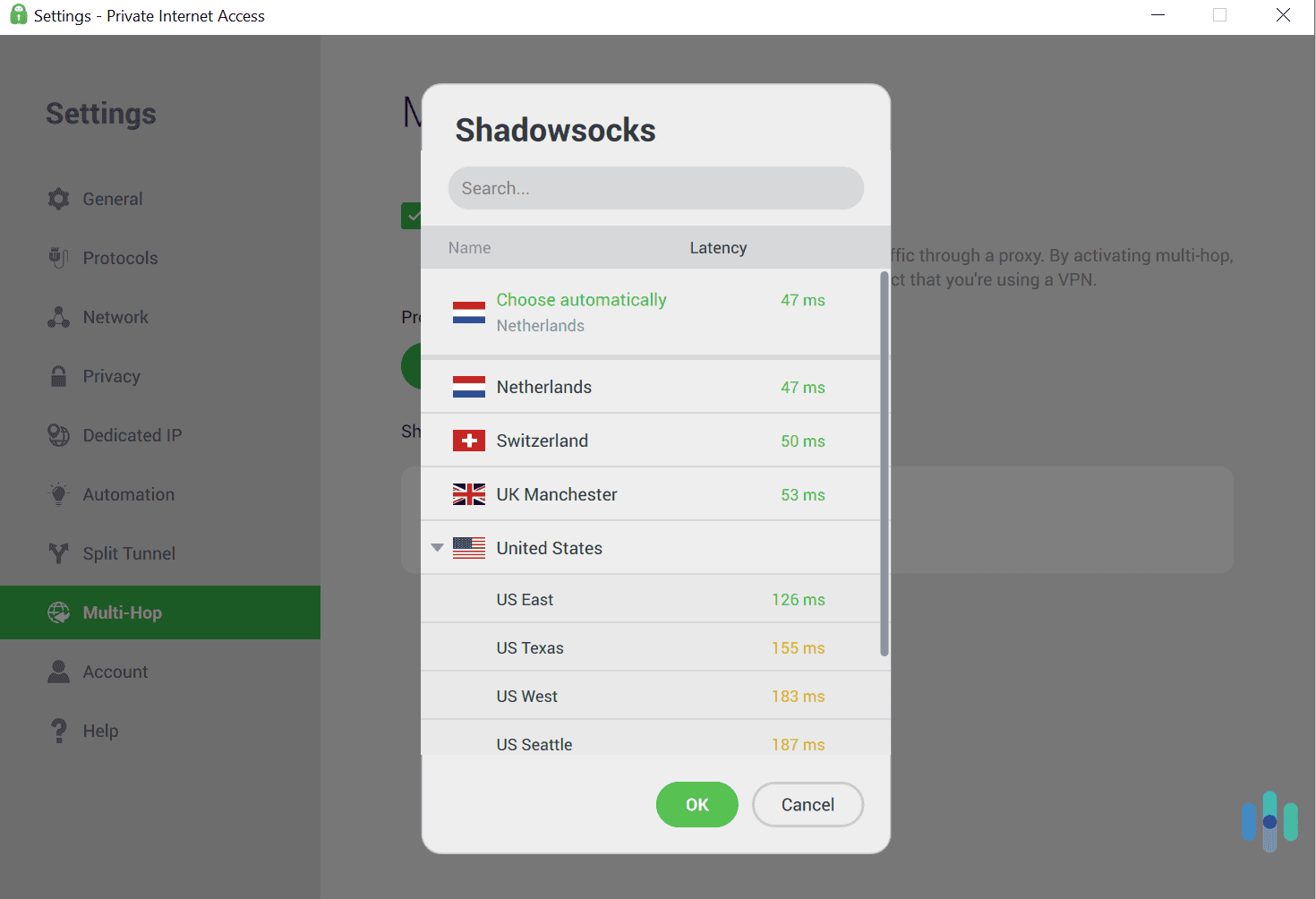
Private Internet Access offers obfuscated servers in Texas you can use to bypass network restrictions We tested Private Internet Access’s (PIA’s) server selection across several U.S. states, including Texas. Every server we tested provided a fast, responsive connection no matter which state we picked, making it one of the fastest VPNs available. We also tested the strictest configuration of PIA’s customizable kill switch. It worked as expected, blocking all traffic immediately on app launch rather than only after a connection drops. We also ran DNS and IP leak tests, which came back clean across the board.
Beyond what we tested directly, PIA’s no-logs claims carry weight for a different reason. The FBI has legally compelled PIA to produce user data in past cases and had nothing to hand over, since none existed. Combined with a server in every state, that makes it a strong pick for Texans who want both broad coverage and proven privacy.
Pro Tip: Private Internet Access is one of the most affordable VPNs in 2026. However, for its lowest rates that start at under $2 per month, you need to subscribe for three years upfront. If you don’t want to commit for that long, but still want a low price, keep an eye out for VPN deals. Most providers regularly offer deep discounts on their standard rates.
-
3. Proton VPN - Best Free VPN for Texas
 View Plans Links to Proton VPN
Product Specs
Server locations 129 countries countries Average Speed Loss 8% download & 4% upload Apps Windows, MacOS, Linux, Android, iOS, Chrome, Firefox, Android TV, tvOS, Firestick Best Monthly Rate $2.99/mo with a 2-year plan Money-Back Guarantee 30 days
Why We Picked It
Proton VPN’s free tier includes unlimited bandwidth and an independently audited no-logs policy with no forced upgrade. That makes it a legitimate option if you want the privacy benefits without committing to a paid subscription.
What We Like
- Free plan with unlimited bandwidth and no artificial speed cap
- Independently audited no-logs policy on both free and paid tiers
- Stealth protocol available even on the free tier for restrictive networks
- Intuitive apps across desktop and mobile
What We Don’t Like
- Free plan restricts you to a handful of random server countries
- Streaming and torrenting requires a paid plan
- Paid tier is pricier than some direct competitors
Proton VPN Test Results

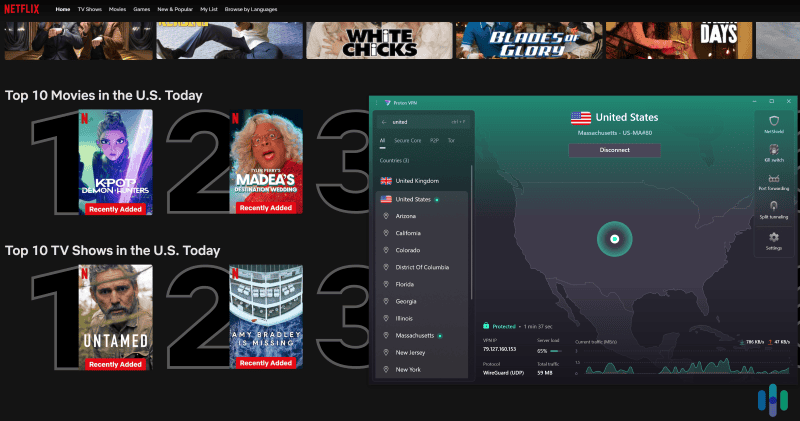
We had to upgrade to Proton VPN’s paid tier to use it for streaming We tested Proton VPN’s free tier kill switch against its paid version’s. Both behaved identically across each test when we cut the connection mid-session, blocking all traffic rather than reverting to the open network. That consistency between tiers is unusual, since most VPNs strip security features out of their free plans.
For Texans who want verified no-logs privacy without a subscription, Proton VPN is one of the only options. The free tier’s server selection is limited, but for general browsing and privacy protection, it holds up well. Just expect a bigger drop in connection speeds than Proton VPN’s paid plans as the free-tier servers are more likely to get overcrowded. Still, it’s one of the best free VPNs around.
>> Related Reading: Best Free Windows VPNs 2026
Methodology: How We Picked the Best VPNs for Texas
Our Review Guidelines
Our VPN review process is guided by our Editorial Guidelines, which emphasize direct, hands-on testing over marketing claims. We don’t just take a VPN provider’s word for its privacy protections. Instead, we download, install, and run each VPN we evaluate. During testing, we check kill switch behavior, look for DNS and WebRTC leaks, and verify no-logs claims against independent audits or, where available, real-world legal proceedings.
How We Ranked These VPNs
We narrowed a pool of over 50 VPNs down to the three that best serve Texas users specifically. Here are the factors we weighted most heavily during our evaluations:
- No-logs verification: We prioritized VPNs with independently audited no-logs policies or a proven track record in real legal proceedings over those relying on policy statements alone.
- Kill switch reliability: To test each VPN’s kill switch, we manually cut the VPN connection and confirmed all traffic was blocked immediately rather than falling back to an unprotected connection.
- U.S. server performance: Privacy shouldn’t come at the cost of usability, so we ran speed tests on servers in Texas and several other U.S. locations.
- Affordability: You don’t need to spend a lot for a high-quality VPN, so we only picked affordable options, plus a strong free one.
On top of these four main factors, we also considered how well each provider’s terms of service and data-retention practices held up to scrutiny. After all, that’s the detail that matters most if privacy is your primary concern.
>> Find Out More: Is a VPN Encrypted & Does it Encrypt All Traffic?
Why Trust Us
Security.org’s team of VPN experts is spearheaded by Brett Cruz, a consumer-first cybersecurity expert and VPN specialist with extensive experience reviewing privacy tools and cybersecurity software.
Brett’s consumer-first methodology guides how we approach every recommendation on this page. He is backed by an independent team of security experts, featuring over 20 researchers and testers who have collectively logged over 25,000 hours testing security products since 2018. Our work, including more than 740 product reviews, has been cited by major outlets including The New York Times, TechRadar, and CBS News. That team includes:
- Ozzie Enriquez: Former DHS Senior Watch Officer and DHS Duty Director for Current Operations with 30+ years of national security experience, contributing expertise in national security, threat analysis, and digital privacy as a senior advisor
- Gene Petrino: Retired law enforcement sergeant and S.W.A.T. commander, contributing 30+ years of real-world security expertise as a lead advisor
- Cort Honey: Product tester with an engineering background, 1,000+ hours of hands-on testing, and a talent for making technical concepts easy to understand
- Corey Birnstengel: Editor and videographer behind 200+ in-depth video reviews across multiple product categories
Our picks are never influenced by brand partnerships, ads, or affiliate deals.
Is It Legal to Use a VPN in Texas?
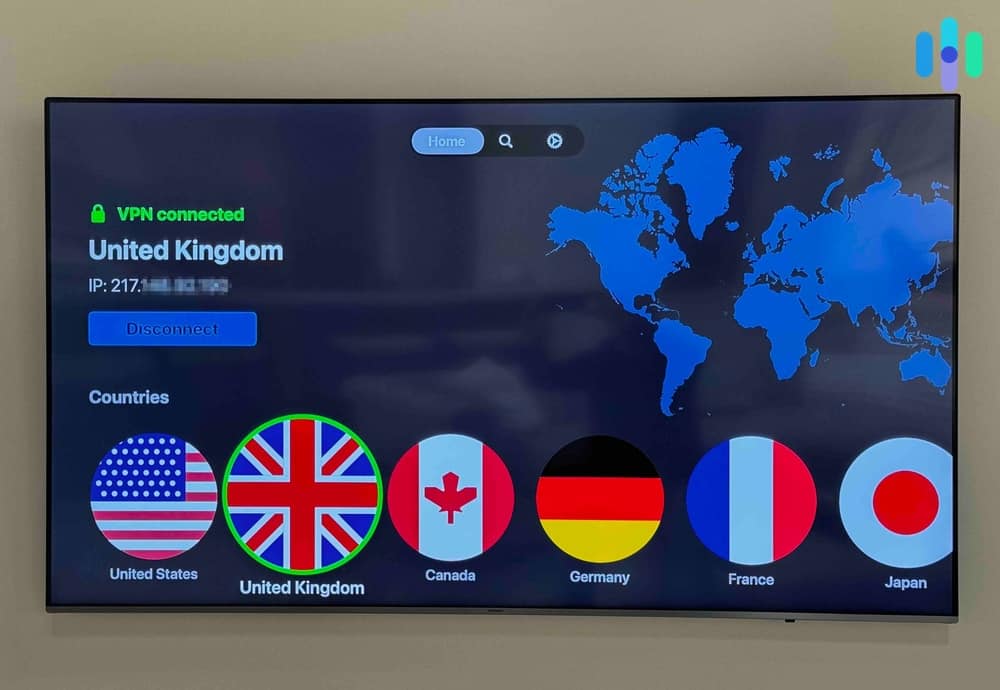
Yes. VPNs are legal tools used widely across the country for reasons that have nothing to do with any single state law. Common uses include securing public Wi-Fi connections, protecting remote work traffic, and limiting how much an internet provider can see about your browsing.
That said, Texans have extra reason to use VPNs due to Texas’s age-verification law, HB 1181. It requires some websites to perform age verification, which involves collecting personal data or even a government ID. VPNs can help you bypass this data collection by making it seem like you’re in a different state without these laws.
This is general information, not legal advice. Laws in this area are actively evolving, and if you have questions about how a specific law applies to your situation, we recommend consulting a licensed attorney in your state.
FYI: Privacy advocates have pointed out that VPNs don’t fully solve the underlying privacy concerns these laws raise, since websites can use more than your IP address to identify your location.3
How Much Does a VPN Cost?
VPN prices vary depending on the provider and subscription length. Monthly plans typically run between $9 and $15 per month. One- or two-year plans bring that down to roughly $2 to $5 per month, paid upfront for the full term. Low-cost providers can cost even less. For instance, Private Internet Access’s plans start at under $2 per month. If you want privacy protection without an ongoing cost, Proton VPN’s free tier is a legitimate option.
Setting Up a VPN in Texas
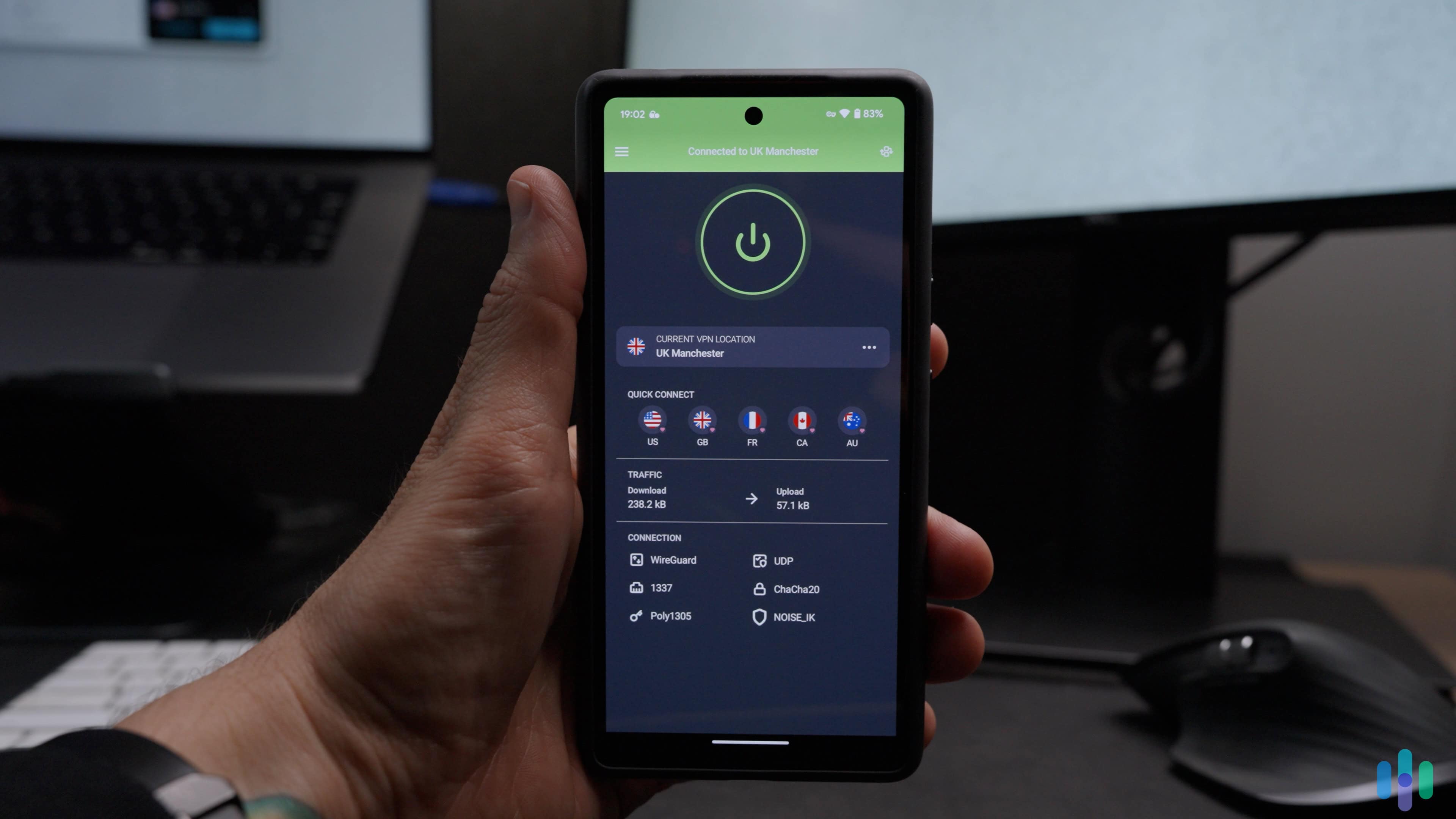
Getting a VPN running takes only a few minutes, regardless of which one you choose. Here are the steps we take to set up a secure VPN connection in Texas:
- Install the VPN app on every device where privacy matters most to you.
- Turn on the kill switch in the app’s settings, ideally set to block traffic immediately rather than only after a delay if that level of customization is available.
- Connect to a U.S. server for the best balance of speed and functionality for everyday browsing and streaming.
- Verify your connection by checking your IP address and running a quick leak test after connecting.
Once it’s set up, most VPNs can be left running by default, so you don’t need to remember to turn it on for any specific situation.
Set Up NordVPN in Minutes
NordVPN pairs an annually audited no-logs policy with the easiest-to-use apps we’ve tested, so you can regain your privacy without any hassles.
Get NordVPN
Links to NordVPN
Recap: Which VPN Should You Use in Texas?
Texas has more reasons than most states to take VPN privacy seriously. Even so, the fundamentals don’t change. A good VPN needs a verified no-logs policy, a kill switch that actually works, and enough server capacity to stay fast. NordVPN, Private Internet Access, and Proton VPN all clear that bar, but stand out in different ways: NordVPN for independently audited no-logs privacy, Private Internet Access for having a server in every U.S. state, and Proton VPN for its legitimate free tier.
Texas VPN FAQs
-
Does a VPN protect me from age-verification requirements?
A VPN can change how a website perceives your location, but it doesn’t address every method sites use to verify identity or age. Privacy experts note it isn’t a complete solution to the underlying data collection concerns, although connecting through a VPN server in a different state will bypass most age-verification requests.
-
Is Private Internet Access based in Texas or elsewhere in the U.S.?
Private Internet Access is a U.S.-based company headquartered in Denver, Colorado, with server locations in all 50 U.S. states. Its no-logs claims have also been tested in real legal proceedings, which is part of why we recommend it for privacy-focused users despite its U.S. jurisdiction.
-
Do I need a paid VPN, or is a free one enough?
It depends on your needs. Proton VPN’s free tier includes a real no-logs policy and unlimited bandwidth, but it limits your server selection and doesn’t support streaming or torrenting.
-
Will a VPN slow down my internet connection?
You’ll typically see some speed reduction with any VPN, but all three of our picks maintained solid performance on U.S. servers throughout our tests.
-
Can Texas internet providers see that I'm using a VPN?
An internet service provder (ISP) can generally tell that you’re connected to a VPN server, but it can’t see the content of your encrypted traffic or which sites you’re visiting. Without a VPN, ISPs can see the sites you visit.
Citations
-
The Register. (2021). ExpressVPN bought for $1bn by Brit biz with an intriguing history in adware.
theregister.com/2021/09/14/expressvpn_bought_kape/ -
Reuters. (2021). ExpressVPN employees complain about ex-spy's top role at company.
reuters.com/technology/expressvpn-employees-complain-about-ex-spys-top-role-company-2021-09-23/ -
StatsUp (2025). Virtual Private Network (VPN) Statistics.