

Best Free iPhone VPNs 2026: 3 Tested (1 Truly Free, 2 Risk-Free)
We recommend Hotspot Shield for iPhones for its unlimited bandwidth and intuitive interface. But don’t pass up our #2 and #3 picks which offer better privacy.
 &
&
 Last Updated on Sep 01, 2026
- Free version offers unlimited bandwidth
- Has an easy-to-use iPhone app
- Provides strong security and privacy

- Offers a risk-free 30-day money-back guarantee
- Has an very intuitive iOS app that’s also feature-rich
- Maintains very fast download and upload speeds
- Has a 30-day refund, allowing you to test the VPN risk-free
- Works with tons of popular streaming services, like Netflix, Max, and Disney+
- Is compatible with over 20 Netflix libraries
the security.brief
Find the best free VPNs for iPhone in 2026. We tested 3 options: Hotspot Shield (truly free with limits), plus NordVPN and Surfshark (30-day money-back guarantees). Honest comparison of free vs. paid.
Free VPNs are a dime a dozen for Android users, but for iOS and iPadOS users, there’s an obvious scarcity of free options. Well, that makes sense. Apple has a more thorough vetting process when it comes to allowing apps, and all but the best free VPNs out there in the wild are actually unsafe. They either have a loose privacy policy (they log and share browsing data), have unsecure servers, or contain malware,1 spyware, or adware, none of which is good for your digital well-being.
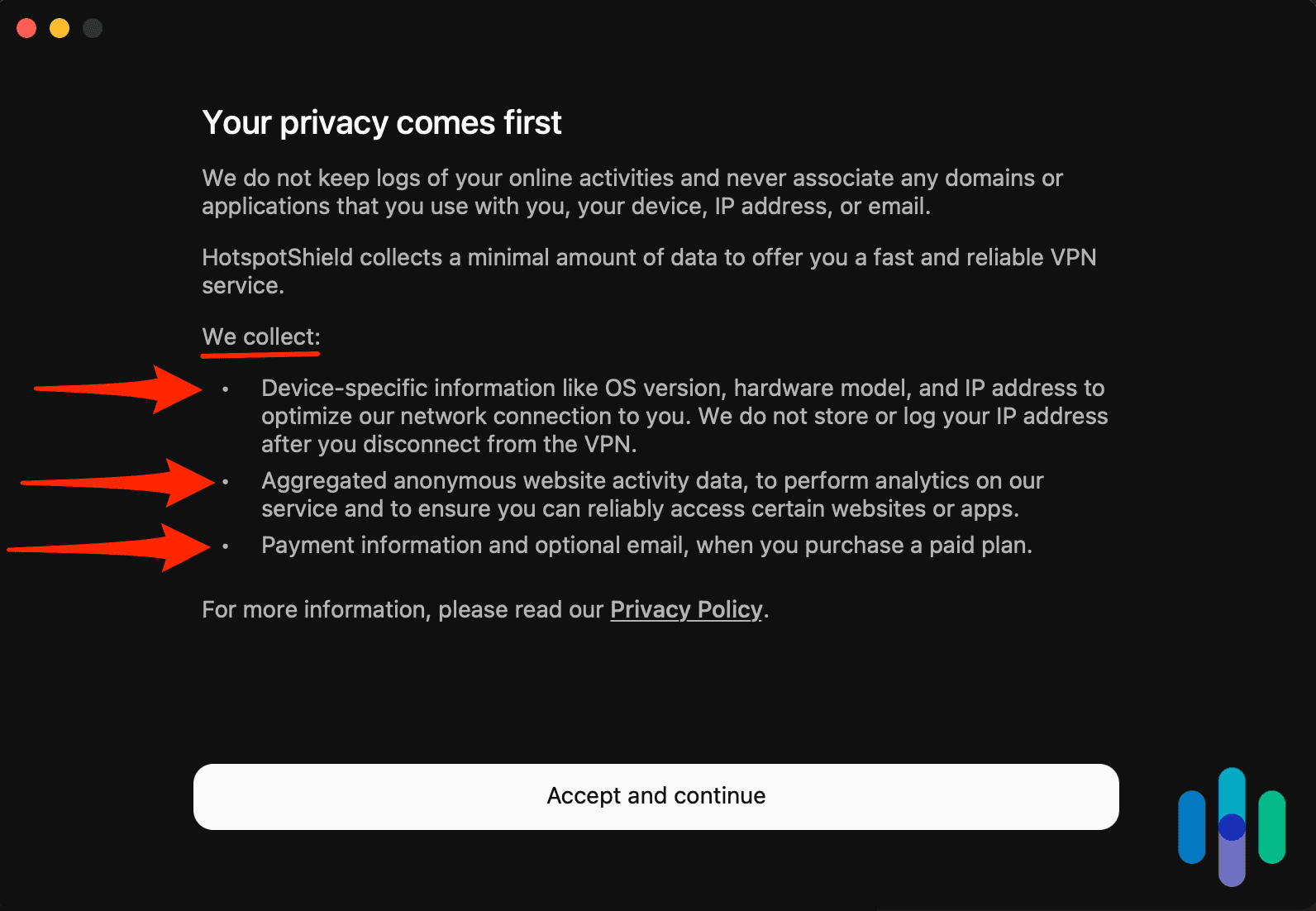
Does that mean that free VPNs from the App Store are all safe to use and comparable to the best VPN services out there? Not really. While Apple does check apps for malware and potential causes of privacy breaches, it doesn’t check the policies of the company that offers the VPN apps, the server infrastructure, and the features. Basically, Apple checks that it won’t hurt your iPhone, but they don’t test the quality of the VPN. That’s our job as VPN experts. So on this page, we’re going to take a closer look at the three best free VPNs available to iPhone users.
>> Related: Best VPN for iPhone in 2026
Types of Free iPhone VPNs
Before diving into specific picks, there’s a critical distinction we should make — one that most VPN guides gloss over entirely. Not all “free” VPNs are free in the same way, and confusing the two types can lead to unexpected charges or frustrating limitations.
There are two categories of free iPhone VPNs:
- Truly free VPNs require no payment information, no trial period, and no cancellation. You download the app, create an account. and use a permanently free tier with defined limitations. These limitations usually come in the form of data caps, speed throttling, or a restricted server list.
- Free trials or money-back guarantees require you to enter payment details upfront. You get full access for a limited window — typically 30 days — but if you don’t cancel before that window closes, you’re charged. These aren’t free VPNs. They’re paid VPNs with a refund policy that give you free access for a limited time.
Truly free VPNs for iPhones are scarce. Apple’s strict App Store review process filters out many options, and the ones that survive often come with limitations severe enough to make them impractical for everyday use. That’s why two out of our top three picks use the free trial model: you get a full-featured VPN experience for 30 days, and if you cancel before the window closes, you pay nothing. It’s not “free” in the purest sense, but it’s the most useful free experience available on iOS.
>> More Options: Best VPN Free Trials of 2026
The 3 Best Free VPNs for iPhones
- Hotspot Shield - Best Free iPhone VPN
- NordVPN - Most User-Friendly
- Surfshark - Best for Streaming
A Side-by-Side Comparison of Free iPhone VPNs
| System |
Hotspot Shield
|
NordVPN
|
Surfshark
|
|---|---|---|---|
| Ranking | 1st | 2nd | 3rd |
| Ratings | 8.9/10 | 9.7/10 | 9.5/10 |
| Device limit | 1 | 10 | Unlimited |
| Data limit | Unlimited | Unlimited | Unlimited |
| Speed limit | 2 Mbps | No | No |
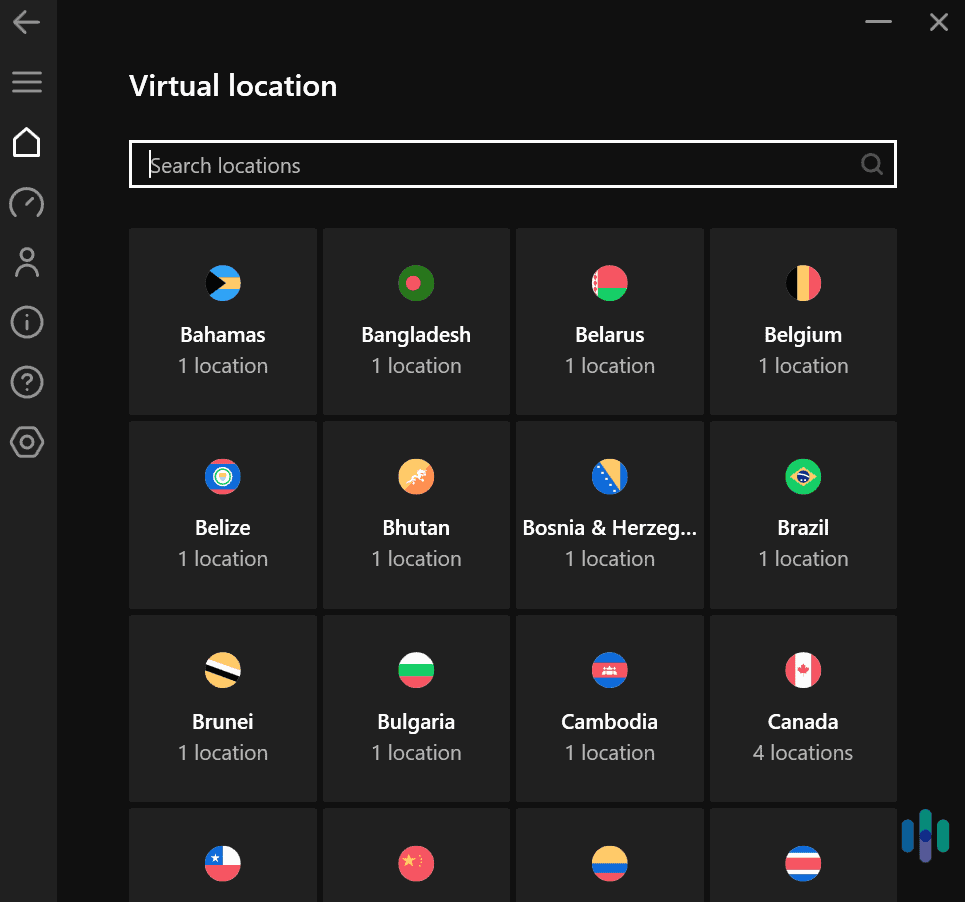
| Servers locations available for free | 3 countries (free plan) 85 countries (paid version) | 137 countries | 100 countries |
| Kill switch | Yes | Yes | Yes |
| Split tunneling | Yes | No | No |
| VPN protocols | IKEv2/IPsec, Hydra | OpenVPN, NordLynx | OpenVPN, WireGuard |
| “No-logs” policy for free users? | Yes | Yes | Yes |
| Read Review | Hotspot Shield Review | NordVPN Review | Surfshark Review |
The Best Free iPhone VPNs: An Insider’s Look
-
1. Hotspot Shield - Best Free iPhone VPN
 View Plans Links to Hotspot Shield
Product Specs
Server locations 80+ countries Average Speed Loss 3% download & 80% upload Apps Windows, MacOS, Linux, Android, iOS, Android TV, Firestick **Best monthly rate** **$2.99/mo with a 3-year plan (free plan available)** Money-Back Guarantee 45 days full refund
How to Use Hotspot Shield for Free
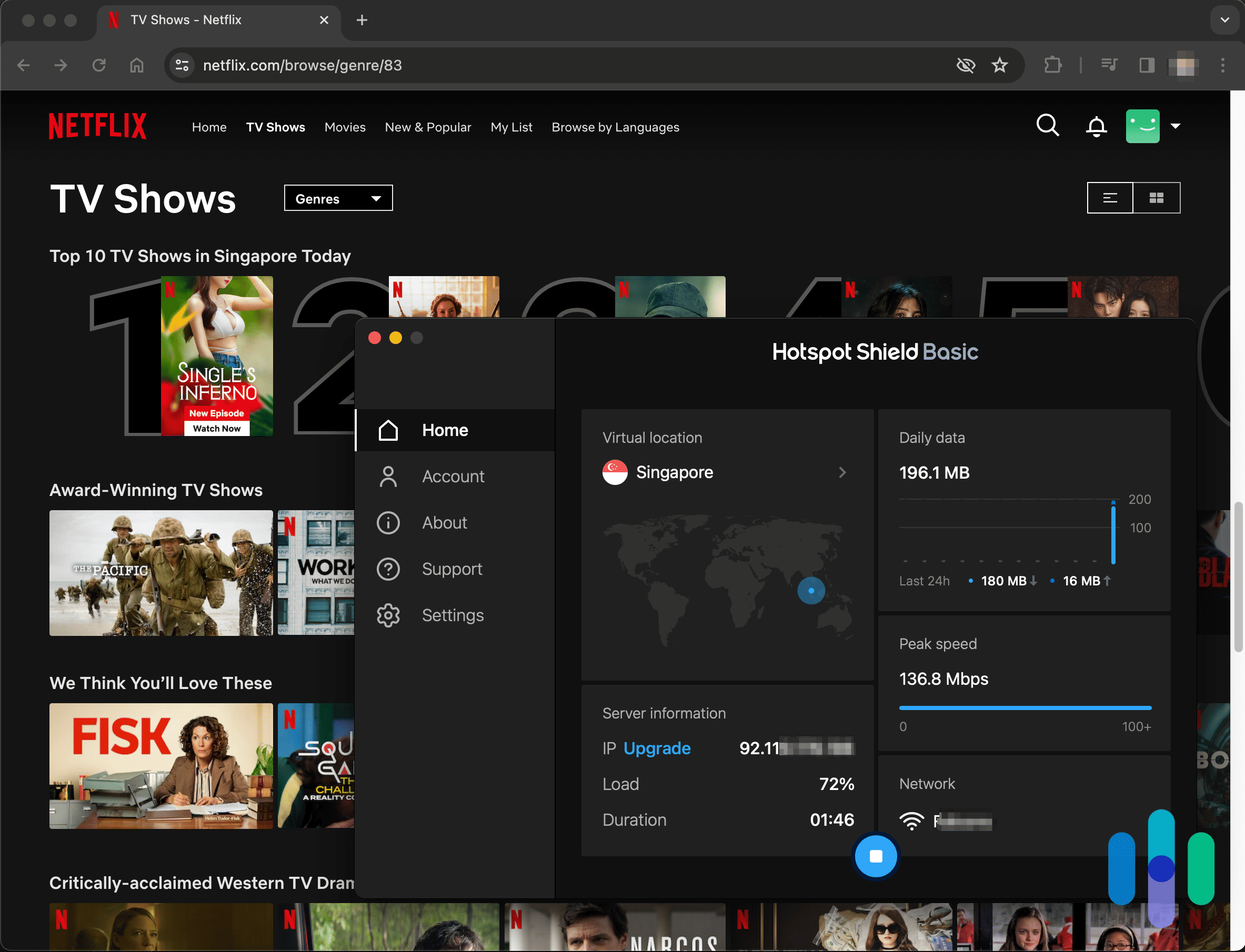
Hotspot Shield has a free version with unlimited data. Just download and install the VPN from the app store, and create a free account. The free version also offers secure VPN protocols and a no-logs policy that doesn’t log your IP address. However, it displays in-app ads when you connect or disconnect from the VPN.
What We Like
- Provides unlimited bandwidth
- Offers strong security and privacy
- Has a very intuitive iPhone app
What We Don’t Like
- The free version restricts speeds to 2 Mbps
- Free users have to put up with ads
iPhone User Experience

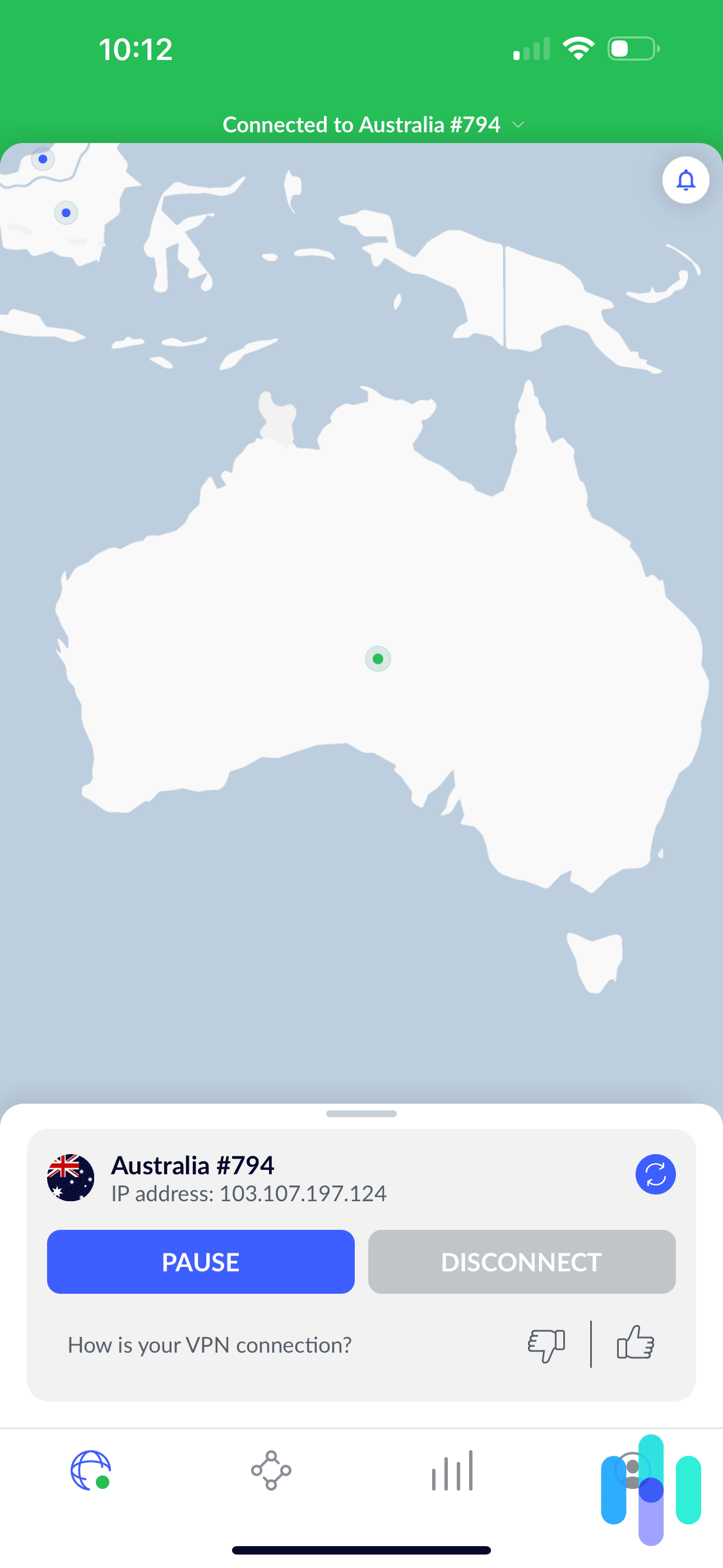
We found Hotspot Shield’s iPhone app very user-friendly. Hotspot Shield’s iPhone app is very intuitive and easy to navigate. It takes less than three seconds to connect to a server, and it’s also really simple to switch VPN protocols. We also like that all app settings have brief explanations, so you always know what everything does.
The ads are the only downside. Some are just a few seconds long, but we have also seen ads that are up to 15 or 20 seconds long. On the plus side, the ads are not very intrusive — you only see them when you connect to or disconnect from a server.
Streaming, Servers, & Speeds
Hotspot Shield’s free version doesn’t officially support streaming. We tried using its free servers to watch Netflix, BBC iPlayer, and Disney+, and were unsuccessful. The free plan also only includes servers in the US, the UK, and Singapore.
Hotspot Shield is one of the fastest VPNs we tested, but its free plan on iOS imposes 2 Mbps speed limits. This mainly makes the free plan good for browsing websites, but not streaming.
Pricing
Hotspot Shield’s premium version starts at $2.99 per month with a three-year plan, so your wallet won’t be shocked once you decide to transition to a paid plan. Of course, there are shorter subscriptions if you don’t want to commit that long. But if you ask us, the 45-day money-back guarantee takes all the risk from making a three-year commitment.
1-Month Plan $12.99/month 1-Year Plan $7.99/month 3-Year Plan $2.99/month >> Find Out More: How Much Does Hotspot Shield Cost?
-
2. NordVPN - Most User-Friendly
 Get NordVPN Links to NordVPN
Product Specs
Server locations 137 countries Average Speed Loss 6% download & 4% upload Apps Windows, MacOS, Linux, Android, iOS, Chrome, Firefox, Edge, Android TV, tvOS Best Monthly Rate $3.49/mo with a 2-year plan Money-Back Guarantee 30 days full refund
How to Use NordVPN for Free
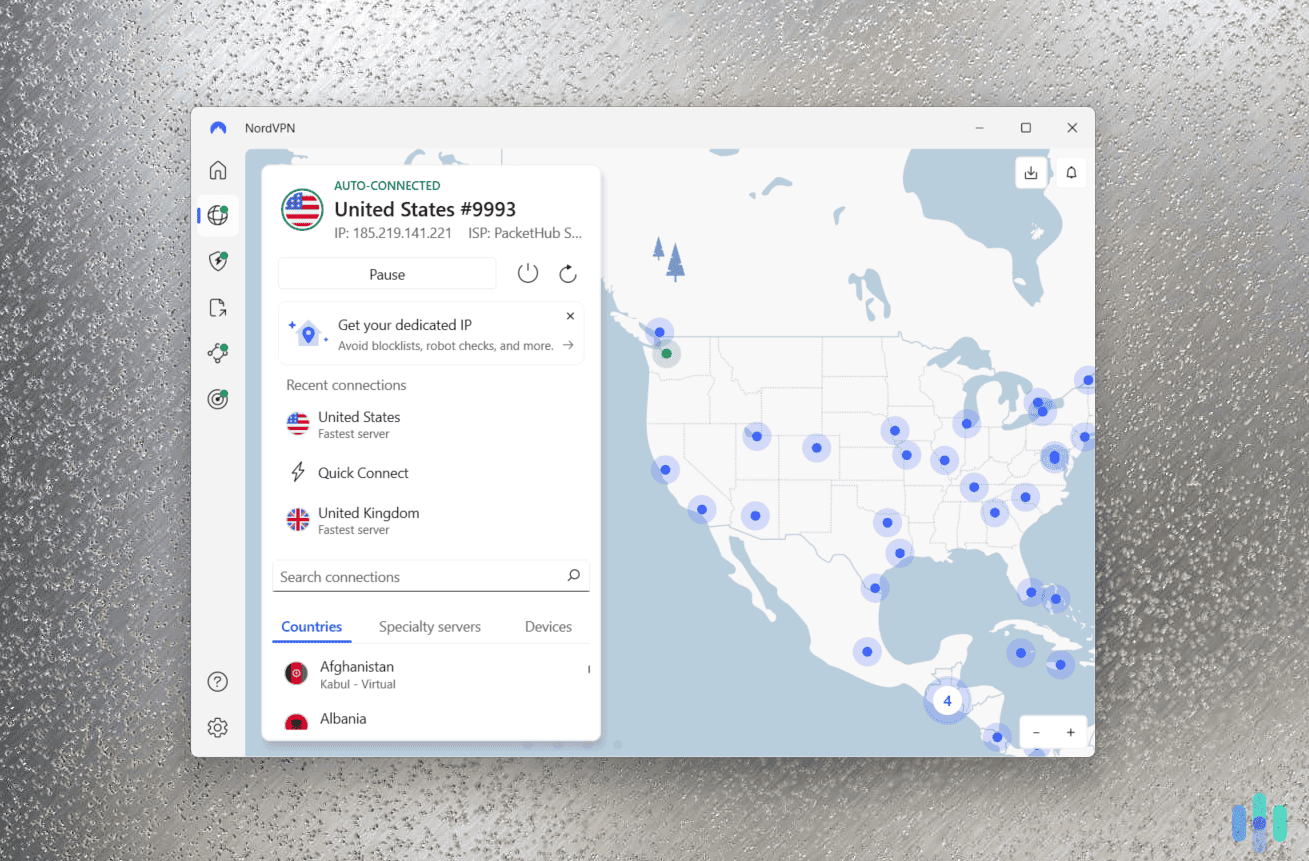
NordVPN backs all purchases with a 30-day money-back guarantee. This lets you test the VPN risk-free — if you’re not happy with it, just ask for your money back. Plus, NordVPN often runs promotional deals that offer extra months of service for free.
What We Like
- Offers a risk-free 30-day money-back guarantee
- Has a very intuitive and feature-rich iOS app
- Maintains very fast download and upload speeds
What We Don’t Like
- The price increases after the initial term
- A bit pricey compared to other competitors
iPhone User Experience
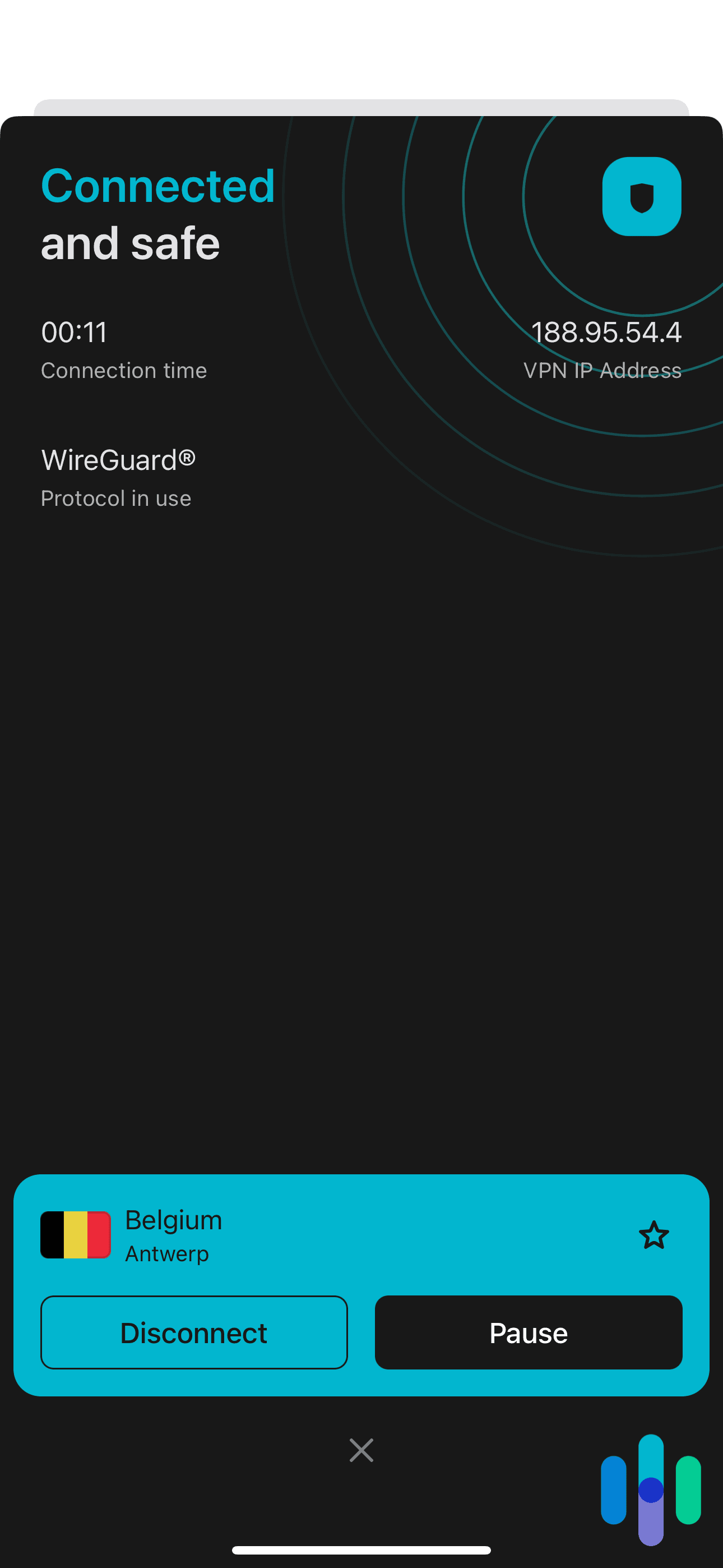
NordVPN’s iOS VPN app is beginner-friendly. To connect to a server to change your iPhone location, you just use the quick-connect option or the search bar to find your desired server location. You can also set up Siri shortcuts to connect to the VPN via voice commands.
We also like NordVPN’s feature-rich iPhone app. It has “scam and phishing protection,” which protects you from malicious websites and blocks ads—in our tests, it only got rid of 50 percent of ads. The app also has “Dark Web Monitor,” which alerts you if your NordVPN login details are compromised.
Streaming, Servers, & Speeds

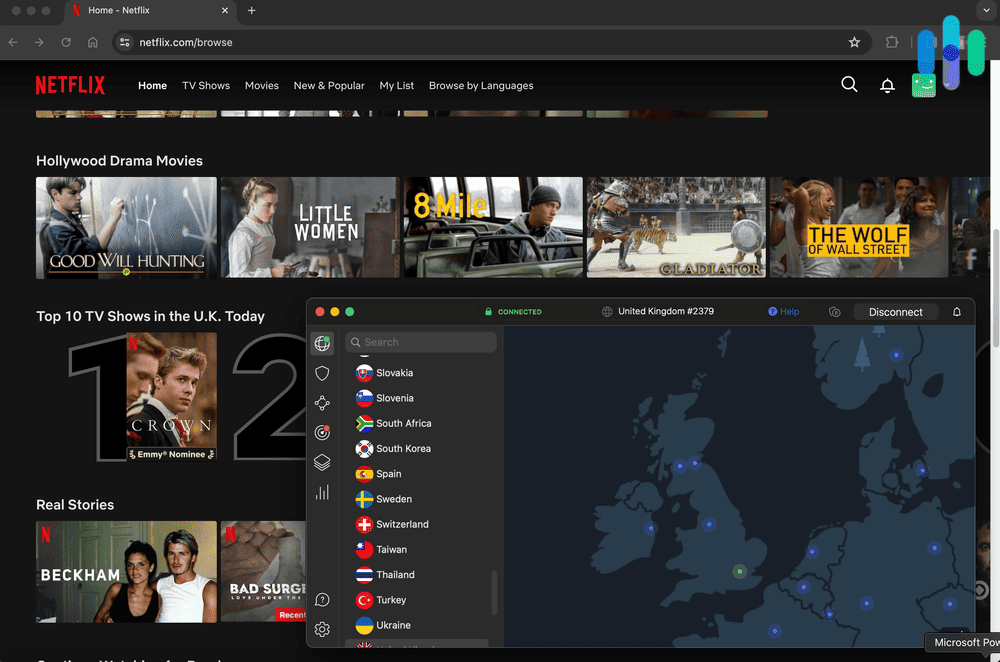
NordVPN’s iPhone app makes it very easy to find and connect to servers. NordVPN is very good for streaming. We tested it with Netflix, Disney+, Max, and Amazon Prime Video, and it always accessed those services without any issues. It also has SmartPlay on all servers, a feature that makes it harder for streaming platforms to block your VPN connection.
NordVPN has one of the largest server networks in 2026, with locations in 137 countries. This helps it maintain very fast speeds — in our tests, it reduced download speeds by no more than six percent, and upload speeds by no more than four percent.
>> Read More: The Fastest VPNs in 2026
Pricing
NordVPN offers three paid tiers: “Basic,” “Complete,” and “Prime.” We think “Basic” is enough, as it includes all VPN features available on iOS. With the longest plan, the price starts at $3.49 per month, just slightly more expensive than Hotspot Shield’s three year plan. The money-back guarantee is shorter though — only 30 days.
NordVPN Subscription 1-Month Plan 1-Year Plan 2-Year Plan “Basic” $14.99/month $5.49/month $3.49/month “Complete” $19.99/month $6.49/month $4.49/month “Prime” $29.99/month $9.49/month $7.49/month -
3. Surfshark - Best for Streaming
 Get Surfshark VPN Links to Surfshark.com
Product Specs
Server locations 100 countries countries Average Speed Loss 8% download & 50% upload Apps Windows, MacOS, Linux, Android, iOS, Chrome, Firefox, Edge, tvOS, Android TV, Fire TV Best Monthly Rate $2.49/mo with a 2-year plan Money-Back Guarantee 30 days full refund
How to Use Surfshark for Free
Surfshark offers a free seven-day trial that includes access to all features. In addition, once the trial is over and you pay for a subscription, you’re also covered by a 30-day money-back guarantee, essentially like NordVPN.
What We Like
- Offers a risk-free 7-day trial and a 30-day refund
- Works with tons of popular streaming platforms
- Can access over 20 Netflix libraries
What We Don’t Like
- The month-to-month cost is very expensive
- Slows down upload speeds by up to 50 percent
iPhone User Experience

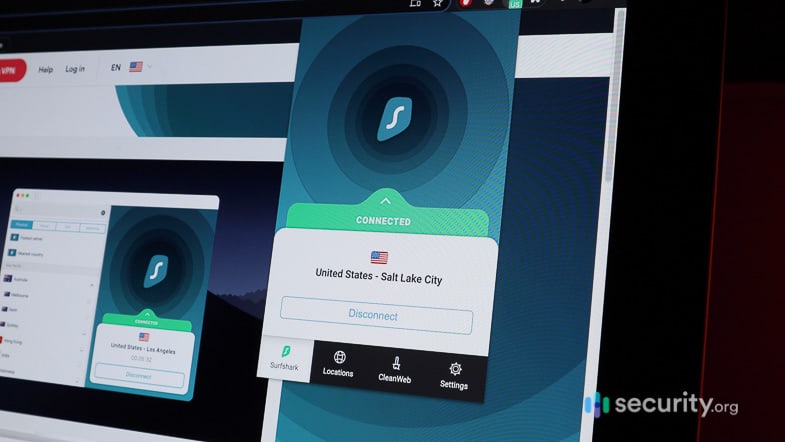
It only takes a few seconds to find and connect to a server using Surfshark’s iOS app. We found Surfshark’s iPhone app easy to use, and all settings and features were simple to find and change. It’s also great that Surfshark allows unlimited simultaneous connections, making it a good option for large families.
The VPN provides enhanced privacy via its Dynamic MultiHop feature. In addition to changing your IP address, it also hides it behind two VPN IPs by sending your data through two VPN servers.
Expert Insight: Dynamic MultiHop provides extra privacy and security, but also causes more noticeable slowdowns. Our tests show that Dynamic MultiHop connections are 15 percent slower than regular connections.
Streaming, Servers, & Speeds
We consider Surfshark one of the best streaming VPNs in 2026. In our tests, it worked with many popular services, including Netflix, Disney+, Max, Crunchyroll, YouTube TV, and ESPN+. It’s also an excellent VPN for watching Netflix, as it works with over 20 libraries.
Surfshark also has servers in 100 countries, and maintains fast download speeds — we only noticed a 7.76 percent slowdown on average. However, we noticed that it slows down upload speeds by up to 50 percent (NordVPN only slows them down by four percent).
>> Read More: How to Change Your Netflix Region
Pricing
Surfshark has three subscription tiers: “Surfshark Starter,” “Surfshark One,” and “Surfshark One+.” We picked the “Surfshark Starter” tier, as it includes all core VPN features. The VPN also backs all plans with a 30-day money-back guarantee.
1-Month Plan $15.45/month 1-Year Plan $3.19/month 2-Year Plan $2.19/month
Our Testing Process: How We Picked The Top Free iPhone VPN Apps
Our Testing Principles
Our job is to find VPNs that actually hold up under real-world use. That’s why we subscribe to and actively use every service we review. During that time, we measure connection speeds across dozens of servers worldwide, check for all major leak types, stress-test the kill switch with forced disconnections, review no-log policies and published third-party audits, and verify whether each VPN reliably unblocks streaming services. We also weigh subscription pricing, simultaneous connection limits, refund windows, and long-term plan flexibility to make sure the VPNs we highlight provide real-world value, in accordance with our Editorial Guidelines.
What We Looked For
Free VPNs aren’t our top choice for iPhones. All of our favorite iPhone VPNs require a paid subscription. Our reasoning is simple: Free VPNs have limitations and can even be unsafe. That’s why our list also includes premium VPNs you can try for free. That said, there are some decent free services out there. To rank our top free services fairly and uniformly, we test them against three main criteria:
- How they protect your browsing: This was our top priority. VPNs protect your browsing by keeping your connections private and your IP address anonymous. We made sure that our recommendations all use adequate encryption and tunneling protocols, and don’t log browsing information.
- How fast the connections are: We also picked free VPNs that can provide decent speeds for browsing, downloading, and streaming. After all, why use a VPN if it prevents you from loading anything online?
- How much a premium subscription costs: Lastly, we looked up the cost of a VPN subscription. We may be talking about free VPNs here, but when the time comes that you’re ready for a premium VPN, our top picks offer paid subscriptions as well. We wanted to give you options that would make transitioning from a free to a paid VPN smoother by choosing affordable VPNs that provide free options.
These key criteria allow us to rank each provider in a consistent manner to ensure our recommendations are ones you can trust.
Who We Are and Why Trust Us
We are an independent editorial team of security experts committed to making only honest, unbiased VPN recommendations. We have over 20 security researchers and hands-on testers. Collectively, we’ve clocked over 25,000 hours of research and testing and produced over 740 security- and privacy-focused guides. Our work has been cited by major outlets including The New York Times, TechRadar, and CBS News.
Brett Cruz leads our VPN testing department. With over 10 years of industry experience under his belt, he guides the team in testing VPNs and cybersecurity software using a methodical approach focused on finding facts that would matter to consumers. Behind him is our wider team of subject matter experts, including:
- Ozzie Enriquez: West Point graduate and former Deputy Director of Security at the U.S. Missile Defense Agency, contributing expertise in risk assessment
- Gene Petrino: Retired S.W.A.T. commander and former law enforcement sergeant, contributing real-world security expertise as a lead advisor
- Cort Honey: Engineer-turned-security reviewer with over 1,000 hours of hands-on testing and a specialty in making technical concepts easy to understand
- Corey Birnstengel: Editor and videographer responsible for 200+ hands-on video reviews, including VPN comparisons and feature breakdown
Our editorial recommendations are never shaped by advertiser relationships or affiliate compensation.
How to Set Up a Free VPN on iPhone (Step-by-Step)
Whether you’re downloading a truly free VPN or starting a risk-free trial, setting it up on iOS is simple. There’s only a few extra steps beyond downloading any other app off the App Store.
Downloading and Setting Up the VPN App
Setting up a VPN on iOS takes less than five minutes. Here are the exact six steps to start using a free iPhone VPN:
- Search for your chosen VPN in the App Store. Verify the publisher name before downloading — malicious apps sometimes mimic legitimate VPN branding with near-identical names, so watch out for any unexpected characters.
- Open the app and create an account. Truly free VPNs (like Hotspot Shield) won’t ask for payment details. If you’re starting a trial, sign up and pay on the provider’s website directly rather than through the App Store — most money-back guarantees require the purchase be made on the retailer’s official website.
- If using a money-back guarantee, set a cancellation reminder now. Add calendar alerts three days and two days before the money-back guarantee expires. Don’t rely on remembering.
- Look out for upsell prompts during onboarding. Most free VPNs push their premium tier aggressively at account creation. Find the “Continue for free” or “Skip” option rather than the prominent upgrade button.
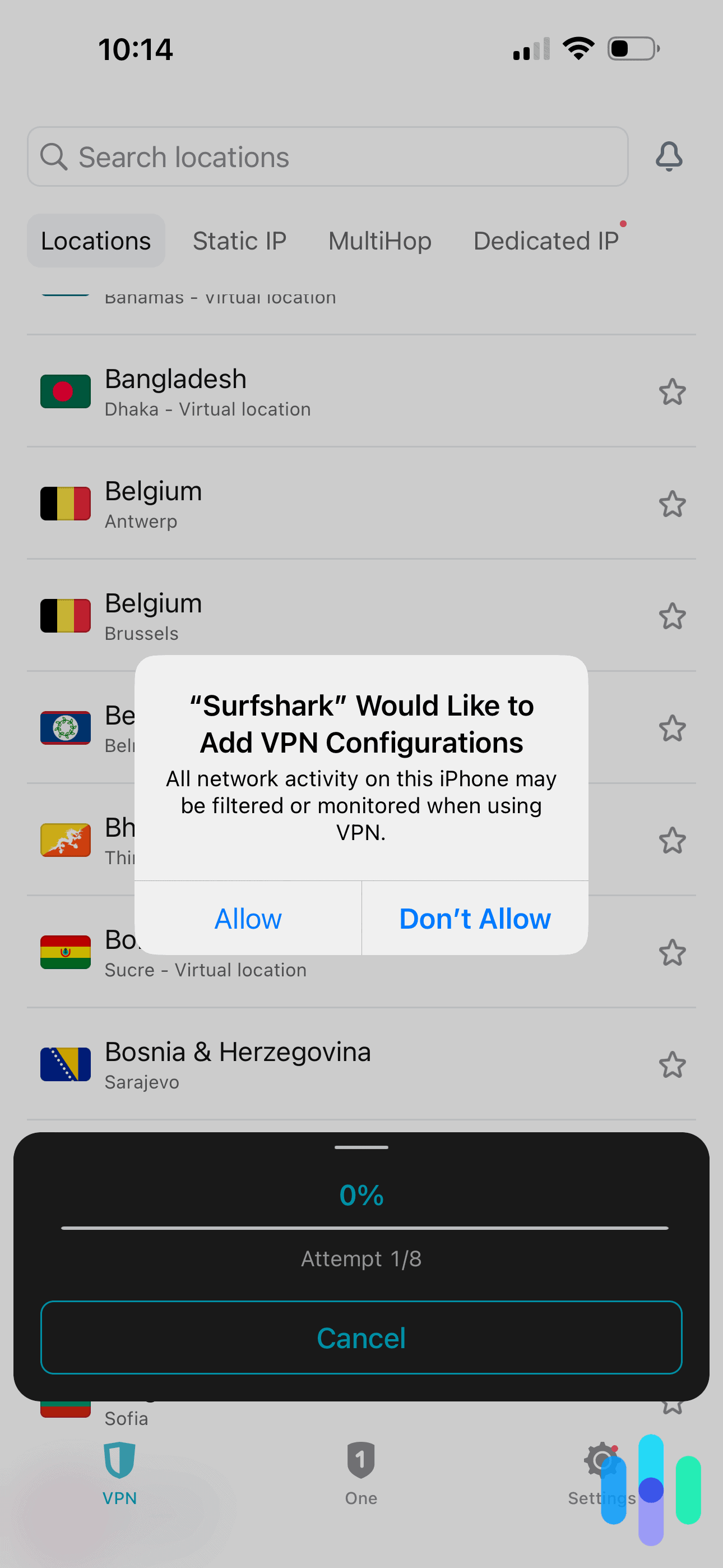
- Tap connect. iOS will prompt you to allow the app to add a VPN configuration — tap Allow and authenticate with Face ID or your passcode. This is normal and required.
After setting up your free VPN and getting it working on your iPhone, we recommend configuring a few settings to optimize your protection, as we’ll discuss next.
Configuring iOS VPN Settings
For starters, you can fine-tune your VPN settings and automate its connection, go to Settings → General → VPN & Device Management → VPN. From there, you can toggle on “Connect On Demand.” This setting allows you to configure rules that cause the VPN to auto-connect. We recommend setting it up to auto-connect anytime your phone connects to an open (public) network.
Verify Your VPN Is Actually Working
Don’t assume the status bar indicator means everything is protected. We recommend taking the extra 60 seconds to confirm your VPN is working:
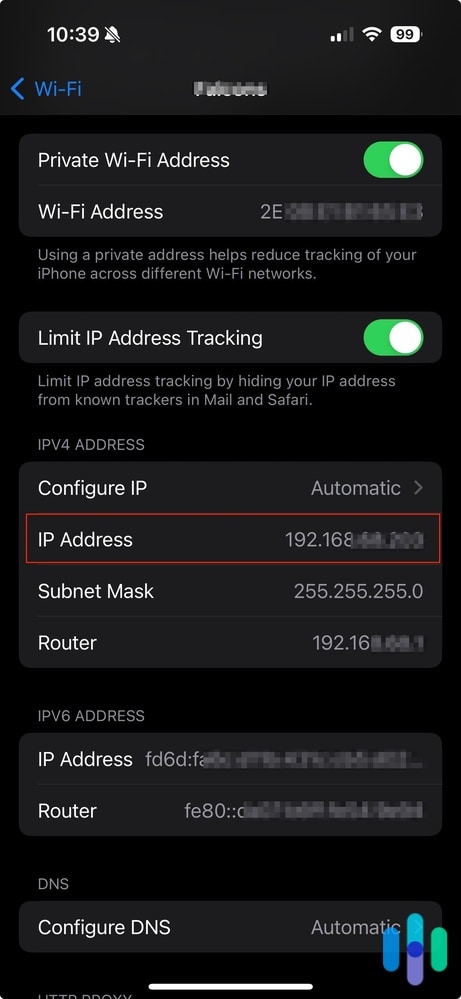
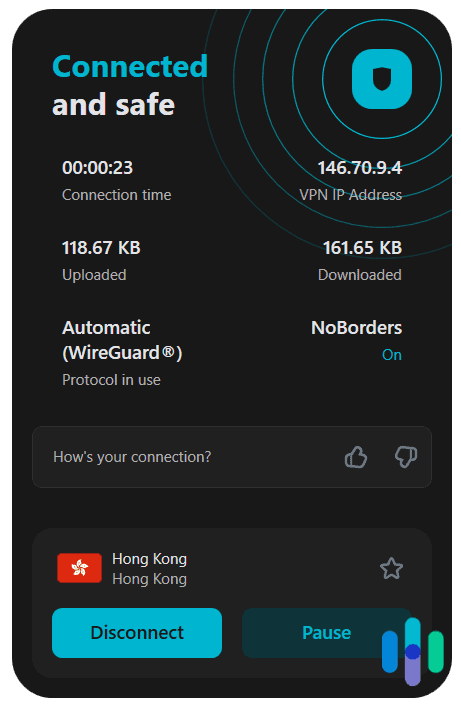
- While connected, check your iPhone’s IP address. Your IP address should reflect your VPN server’s location, not your home city.
- Visit dnsleaktest.com and run the standard test. All DNS servers listed should belong to your VPN provider. If you see your ISP’s servers, your VPN has a DNS leak and your traffic may be exposed.
If your VPN passes those two tests, it’s working as intended and should be protecting your connection. We recommend running through those tests periodically to spot-check your VPN’s effectiveness.
Unique iOS Limitations You Need to Know Before Choosing a Free VPN
Your iPhone handles VPNs differently than Android does. Understanding iOS’s unique restrictions will help you choose smarter and avoid nasty surprises like unexpected disconnections, battery drain, or false confidence in your protection.
Apple Controls the Kill Switch
Android VPNs can implement a true system-level kill switch — one that cuts all internet traffic the moment the VPN drops. On iOS, Apple doesn’t give apps that kind of control.
Instead, iOS VPNs need to use Apple’s Network Extension framework. With this tool, VPNs can force all web traffic through their tunnel. Then, if the VPN drops, all apps won’t be able to connect to the internet since the VPN tunnel is closed. However, it’s not nearly as reliable as a real kill switch that shuts the device’s internet off entirely.
What This Means for You: If your free VPN drops mid-session, your device may reconnect to the internet without protection before you even notice. Some paid VPNs engineer workarounds using On Demand rules (more on that below), but most free tiers don’t.
“Always-On VPN” Is Not What It Sounds Like
You may have seen the term “Always-On VPN” mentioned in VPN marketing — but on iOS, this isn’t a feature an app can simply toggle on. It requires MDM enrollment, which is an enterprise-level device management system. That means it’s only available to corporate users. If you’re using a personal iPhone, you won’t be able to use this feature regardless of which VPN you’re running.
What free VPN apps can offer is VPN On Demand — a setting within iOS that automatically activates the VPN when you connect to specific Wi-Fi networks or domains. NordVPN and a handful of others support On Demand rules, although it’s rare for a fully free VPN to offer this feature. It’s not the same as Always-On, since there are conditions for its activation, but it’s a practical middle ground that iOS 17 and 18 have made more reliable.
iOS 17 and 18 Brought Real Improvements
Speaking of iOS 17 and 18, Apple has quietly improved VPN behavior in those releases. In iOS 17, On Demand rules became more stable and less prone to silently disappearing after a device restart. iOS 18 refined background network extension performance, which reduces the frequency of unexpected VPN drops during sleep-wake cycles.
We also noticed that Per-App VPN — which routes only specific apps through the tunnel while leaving others on your regular connection — is another feature that’s evolved on iOS. It’s similar to split tunneling. However, it’s largely restricted to enterprise configurations. A handful of premium VPNs provide limited per-app controls in their iOS apps, but this is, once again, rare on free tiers.
Battery Drain: iPhone vs. Android
VPNs drain your battery on any device just like VPNs increase data usage, but iOS limits this drain by restricting background activity more aggressively than Android. While that conserves your battery, it can result in the VPN disconnecting if the app gets suspended.
We noticed during testing that some VPN protocols perform better than others on iPhones. That’s because they consume different amounts of battery. Lower battery consumption means the app is less likely to become suspended and therefore disconnected. WireGuard is widely regarded as the most battery-efficient protocol available, and several free VPNs (including Hotspot Shield’s free tier) support it on iOS. OpenVPN and IKEv2 are acceptable alternatives.
Rule of Thumb: If a free VPN doesn’t tell you which protocol it uses on iOS, that’s a red flag. Always look for transparency in how your VPN protects your traffic.
Siri Shortcuts Integration
A small but genuinely useful iOS feature that some VPNs offer is Siri Shortcuts support. It lets you connect or disconnect with a voice command or through automations in the Shortcuts app. NordVPN and Surfshark both support this on iOS. It’s not a security feature, but it’s a quality-of-life detail that reflects how well a VPN has actually optimized for the iOS ecosystem.
Fewer Options In The App Store
Apple’s App Store review process is significantly stricter than Google Play’s. For instance, VPN apps on iOS must pass additional scrutiny around privacy disclosures, data collection, and how they handle network traffic. That review burden, combined with the required Apple Developer Program membership fee, pushes many smaller or sketchier VPN providers toward Android-only apps.
>> Read More: Best iPhone Parental Control Apps in 2026
We consider this a good thing. While the iOS App Store’s free VPN pool is smaller, it’s also cleaner. Shady free VPNs that you can easily find on Android have a harder time getting through Apple’s gates. However, legitimate free VPNs are more restricted in what they can offer on iPhone compared to their Android counterparts.
Should You Consider a Premium VPN Instead?
Free VPNs are fine as long as you can protect your privacy and enjoy VPN benefits despite the limited data, server availability, and speed. However, if you find yourself needing more than what a free VPN can provide, you might want to upgrade to a premium account.
The good news is that you can try most premium VPNs risk-free, as they generally offer generous money-back guarantees. As long as you cancel your VPN subscription within the time limit, you’ll get your money back if you’re not 100 percent happy with the VPN.
How to Use a Premium iPhone VPN Risk-Free
Here’s the easiest way to do this:
- Sign up via the VPN’s website. If you buy a subscription on its website, you’ll be covered by its refund policy. VPNs like NordVPN and Surfshark offer 30-day refunds.
- Install and test the VPN. Try out the service to see if it meets your needs. Use it to browse the web, watch videos, play online games, and download files.
- Ask for a refund if you’re unhappy. If the VPN isn’t a good fit for you, simply ask for your money back within the specific time limit (usually, it’s 30 days). Most premium VPNs will refund you without asking many questions.
When Are Free VPNs Ideal (and When Are They Not)?
To help you decide between getting a free VPN and a premium VPN, we’ll give you a few examples of when a free VPN might be beneficial, as well as when a premium VPN is more ideal.
Get a Free VPN If:
- A premium VPN is outside your budget but you want to protect your data. We recommend always using a VPN when browsing the internet, but paying for a VPN is not always practical. If a premium VPN is a little outside your budget right now, it’s better to use a free VPN than not to use a VPN at all.
- You want a quick way to hide your IP address. Connecting to a VPN server hides your real IP address. It doesn’t matter where the server is located, which is perfect because most free servers offer a limited selection of server locations.
- You can’t buy a VPN subscription in your location. Buying a VPN is not possible in countries that ban or restrict VPN usage. In this case, a free VPN can help you get secure connections.
Get a Paid VPN If:
- You want unrestricted access to VPN benefits. Premium VPNs don’t have data, server, and speed limits like many VPNs do, so the best VPNs for streaming, downloading, and heavy browsing are all premium VPNs.
- You need access to a specific location. Most free VPNs only let you use servers in three or five countries. If the country you’re interested in is not on the list, you’ll need a premium VPN — they usually have servers in at least 90 countries.
- You want extra features. Most free VPNs don’t offer the whole nine yards. Some are missing features like split tunneling and a kill switch, while others hide extra features like ad-blocking behind a paywall. While those are considered extra VPN features, they can go a long way in protecting your digital privacy.
Wrapping it Up: Can Free iPhone VPNs Offer Privacy?
As long as you use a trustworthy free VPN, like the ones on our list, your privacy will be protected. That said, if you want enhanced privacy, it’s always better to opt for a premium VPN — they usually have additional privacy tools, like double VPN servers for example.
FAQs on The Best Free VPNs
-
Can I use Proton VPN free on iPhone?
Yes, Proton VPN is one of the only truly free VPNs that imposes no data cap on iOS, making it genuinely usable for everyday browsing. However, it limits you to ten server locations chosen at random. That means you could end up with the only available servers being halfway across the world. We prefer Hotspot Shield’s approach with three defined server locations available to all free tier users.
-
Does the iPhone have a built-in free VPN?
No, but Apple’s iCloud Private Relay, included with any paid iCloud+ plan, is similar. It masks your IP address and encrypts Safari traffic so your ISP can’t see what you’re browsing. However, unlike a VPN, it only works in Safari and won’t help you access geo-restricted content as it can’t change your apparent location. Think of it as a privacy layer for your browser, not a full tunnel for your device. If you’re already paying for iCloud+ storage, Private Relay is worth enabling — but it won’t replace a VPN for streaming, security on third-party apps, or location spoofing.
-
Will a free VPN drain my iPhone battery?
Yes, meaningfully so. Running a VPN adds constant encryption and decryption overhead, which keeps your processor busier than normal. During our tests, VPNs increase iPhone battery consumption by five to 15 percent under typical use. Poorly optimized apps can drain your battery even quicker. To optimize your battery life, we recommend using the WireGuard VPN protocol. It’s the most battery-efficient option on iOS. Older protocols, like OpenVPN, draw more power. If battery life is a concern, look for a free VPN that explicitly supports WireGuard on iOS.
-
Can I use a free VPN with my iPhone hotspot?
Most free VPNs don’t extend protection to devices tethered through your iPhone’s hotspot. When you share your connection, tethered devices use your iPhone’s internet, but the VPN tunnel only encrypts traffic generated by the iPhone itself. Devices connected via hotspot bypass the VPN entirely. Some premium VPN apps offer router-level configurations that can address this, but that functionality is almost never available on free tiers. If protecting hotspot traffic is a priority, a paid VPN with router support is the only reliable solution.
-
Are there free VPNs that work with Disney+ on iPhone?
Rarely, and not consistently. Disney+ actively detects and blocks VPN traffic, and free VPNs are the first to get blacklisted. That’s because their IP ranges are well-known, their server pools are small, and they lack the resources to rotate IPs frequently enough to stay ahead of detection. Even premium VPNs struggle with Disney+ periodically. If streaming Disney+ from another region is your primary goal, a free VPN is likely to disappoint. A paid VPN with a proven streaming track record and dedicated IP options is the more reliable path.
-
Oxen Technology. (2023). UNCOVERING THE DANGERS BEHIND FREE VPNS.
oxen.tech/blog/vpn-uncovering-the-dangers-behind-free-vpns-omaha-ne/